Fifteen countries, one tree each: the oldest verified specimen this site has found in every country it currently maps. Some claims are as solid as a tree gets, an oak whose ring count nearly matches a city's own founding record. Others are genuinely disputed, and say so rather than rounding up. What they share is a place you can actually walk to and stand in front of. Start with the most contested of them all, an Athens olive whose age depends entirely on who you ask.
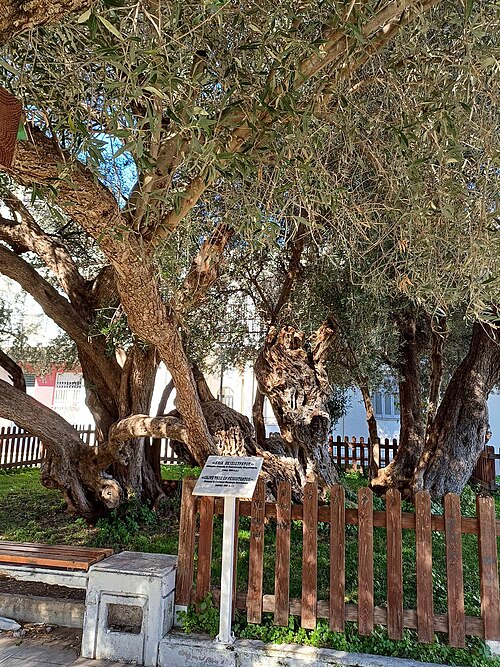
Olive (Olea europaea) · 300-2,500 years (disputed) · Agioi Anargyroi, western Athens
Officially attested at over 2,500 years by the Hellenic Archaeological Society in 1919, a figure modern olive-dating methods can't support with confidence. Presented honestly as a 300 to 2,500 year range rather than the eye-catching single number.
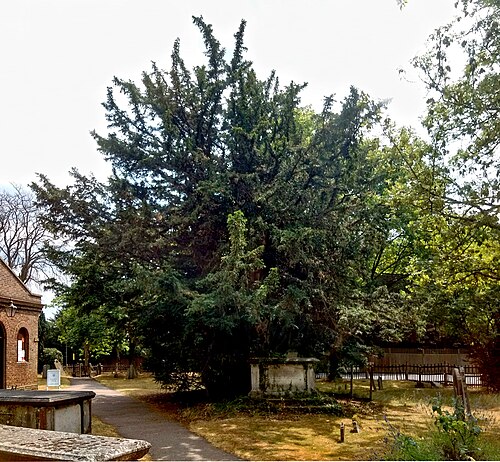
European Yew (Taxus baccata) · 2000 years · Totteridge, North London
The oldest living thing in London by a wide margin: already ancient when the Romans built Londinium two thousand years ago, over a millennium older than the 13th century church built beside it.
Oriental Plane (Platanus orientalis) · 1,300-1,400 years · Bahçeköy, Sarıyer
Istanbul's oldest living thing predates the city's Ottoman name by seven centuries, an Oriental plane inside a university forestry research station with a trunk 4.5 metres across.
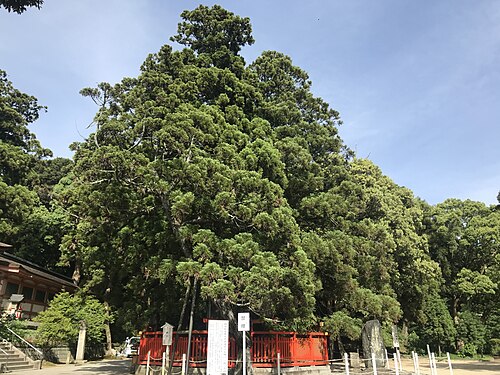
Japanese Cedar (Cryptomeria japonica) · traditionally about 1,800 years · Kashii, Higashi-ku
Traditionally about 1,800 years, from a legend that Empress Jingu pushed a cedar branch from her armour sleeve into the ground here in the third century with a vow that it should guard Japan. The tradition is the age, and the page says so.
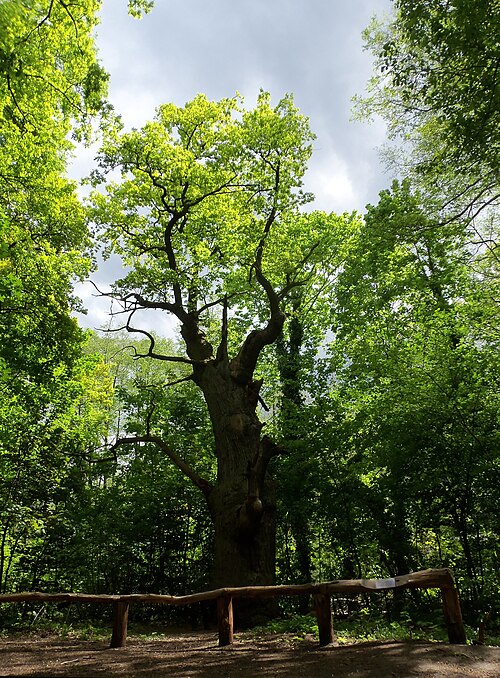
Pedunculate Oak (Quercus robur) · 500-900 years (disputed) · Tegel, Reinickendorf
Older than Berlin itself: when the city got its first written mention in 1237, this oak in the Tegel Forest had likely already been growing for over a century. How much older it has grown since stays a genuine, unresolved dispute.
European Yew (Taxus baccata) · 600 years · Newcastle-Lyons, West Dublin
Local tradition puts this yew past seven hundred years; a more cautious girth-only estimate still lands past five hundred. Either figure makes it older than the house whose garden it now shares, built in 1710.
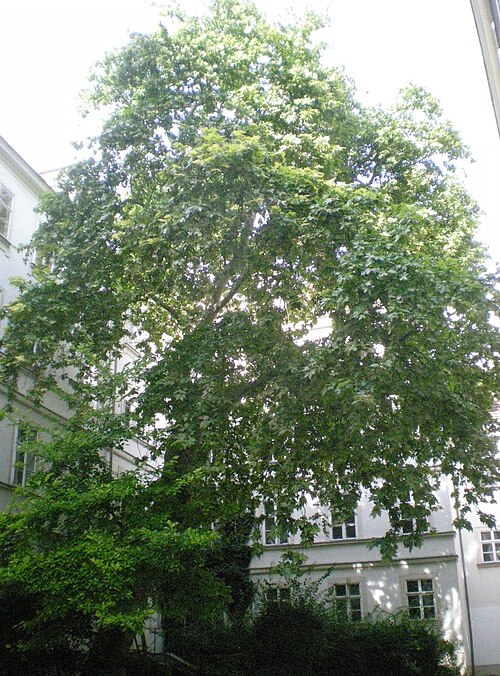
Oriental Plane (Platanus orientalis) · 290 years · Innere Stadt, 1st district
Austria's entry after the dead Stock im Eisen relic was retired 2026-07-27: a plane tree that has spent two and a half centuries quietly growing around part of an 18th century cemetery railing, tucked in a courtyard almost nobody outside the neighbourhood knows to look for.
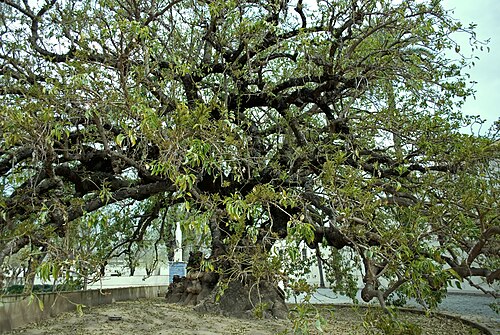
Ombu (Phytolacca dioica) · 500 years · Isla de la Cartuja
Said to have come from seeds Hernando Colon, son of Christopher Columbus, brought back from South America around 1529 and planted in his own private arboretum.
Atlas Cedar (Cedrus atlantica) · locally claimed at 500 years, botanically disputed · Champvert, 9th arrondissement
The reason its park exists in its current shape: Parc de la Chapelle's open lawn and paths were arranged around this single cedar rather than the other way round. Its locally claimed 500 year age is botanically disputed.
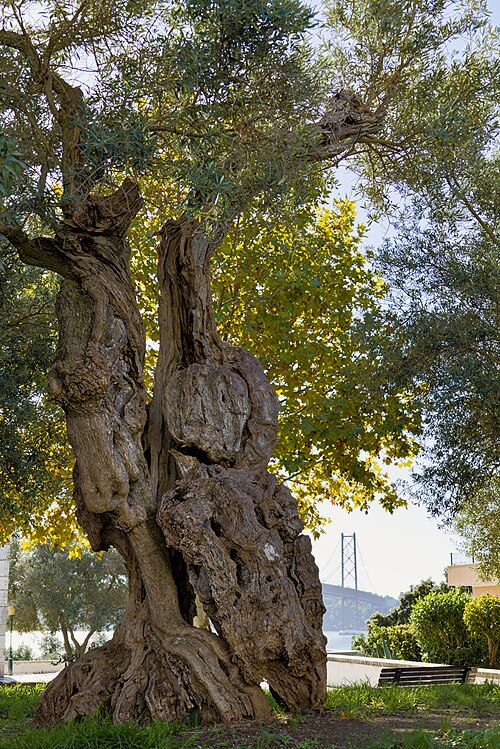
Four olive trees outside a small round chapel that have outlived every Portuguese king since before the Braganza dynasty existed, dated to about 457 years by the city's own classification records.
Tulip Tree (Liriodendron tulipifera) · 350-450 years · Douglaston, Queens
Already centuries old when New Amsterdam was still a Dutch trading post, and unlike almost every other tree on this list, nobody planted it: a wild tulip poplar and the tallest carefully measured tree in New York City.
Oriental Plane (Platanus orientalis) · 425 years · Villa Borghese, Pinciano
The largest survivor of eleven trees Cardinal Scipione Borghese planted here four centuries ago, a vast hollow-trunked oriental plane at the entrance to what is now called the Valley of the Plane Trees.
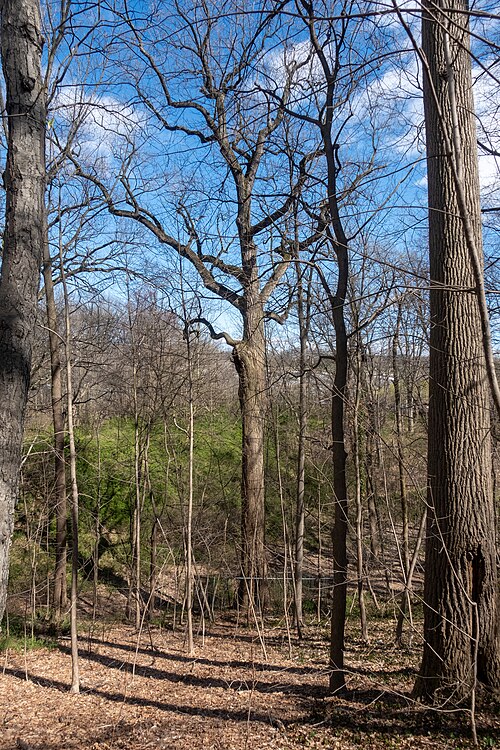
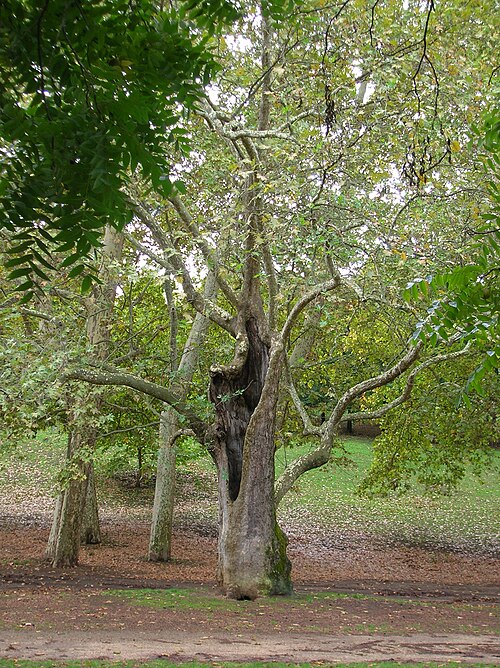
Pedunculate Oak (Quercus robur) · close to 400 years · Forest
Brussels' own heritage inventory calls this oak probably the oldest tree of any kind in the entire region, an age derived from a single number: 6.05 metres around the trunk.
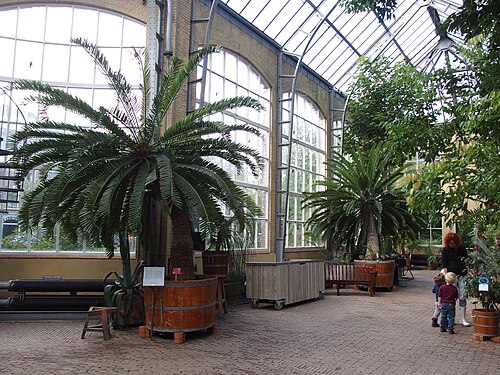
Already growing in South Africa when Amsterdam's Hortus Botanicus bought it in 1850, an Eastern Cape giant cycad the two have been growing together ever since, kept potted under glass.
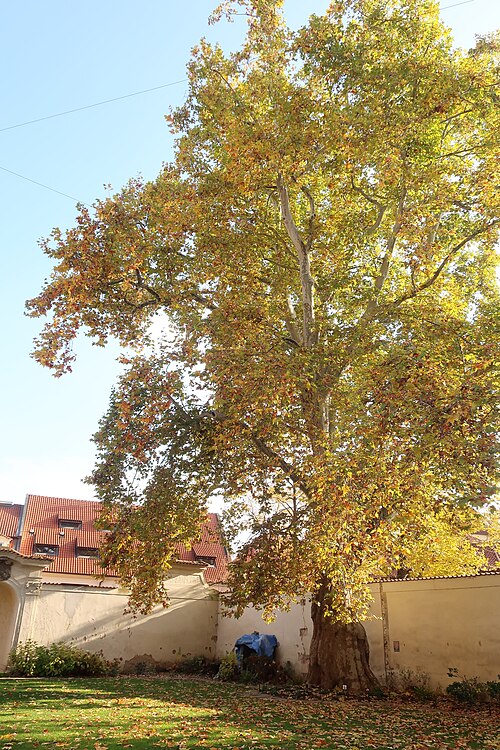
London Plane (Platanus x acerifolia) · estimated 200-300 years · Mala Strana
The thickest protected tree in Prague, trunk seven and a half metres around. Its most famous story, that Beethoven rested beneath it in 1796, is almost certainly false, but the tree itself is real enough.