Home › Collections › The Autumn Harvest The Autumn Harvest A tree at fruiting is a different kind of visit. There is nothing much to look at up in the crown and everything on the ground: acorns underfoot by the thousand in a mast year, sweet chestnuts split out of their cases, figs going soft on the paving, olives knocked down onto sheets. This page ranks every tree we map whose best moment is its crop, grouped by the month it comes, which in our data runs from August into November and peaks hard in September and October. Two things worth saying plainly. Most of these are protected trees and several are the only one of their kind in their city, so look at what has fallen and leave what is still on the branch. And not all of it is food, whatever it looks like: a yew's red arils sit around a seed that is poisonous.
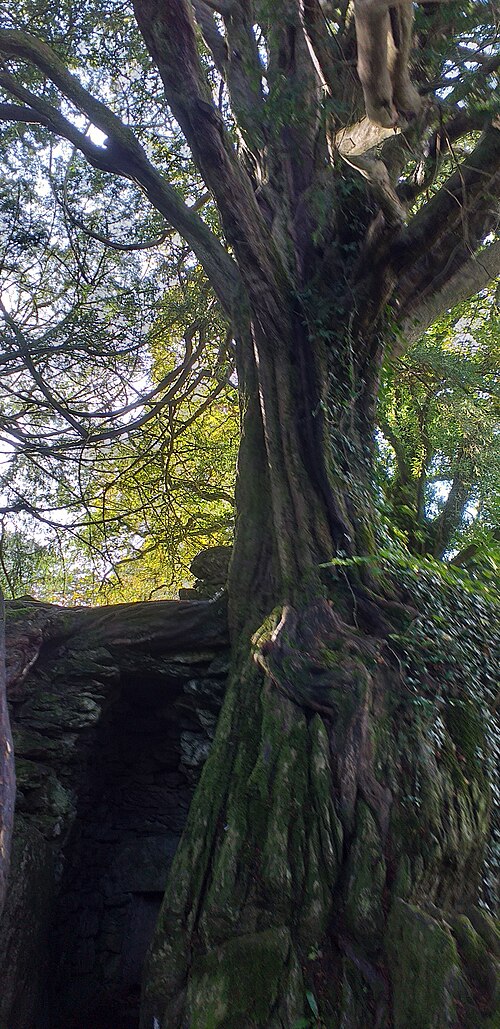
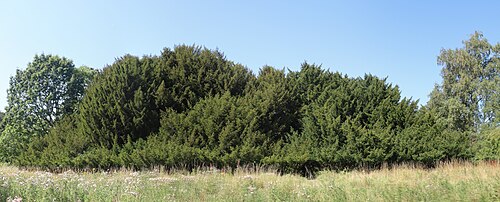
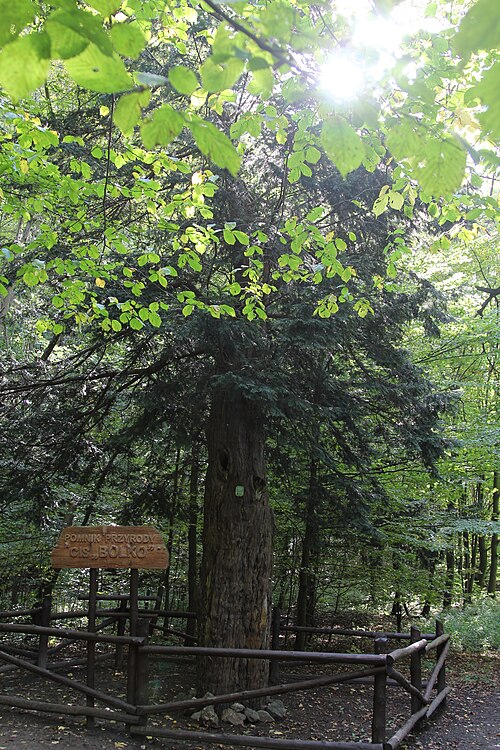
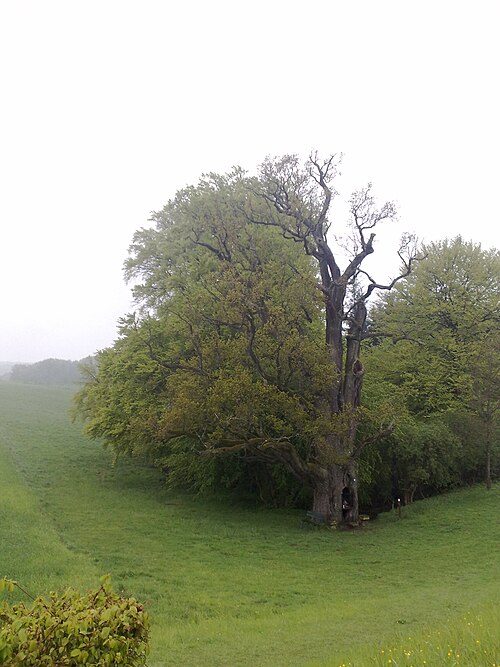
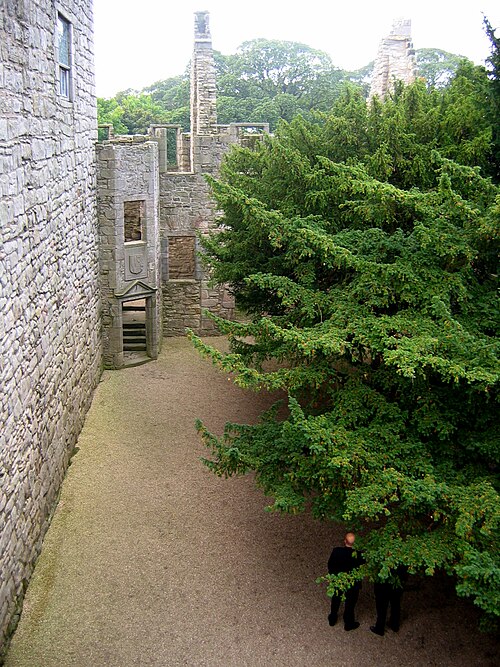
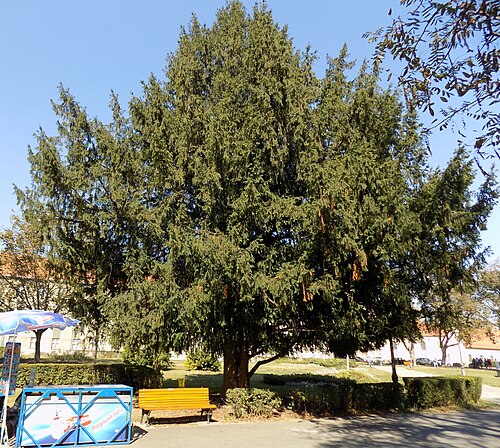
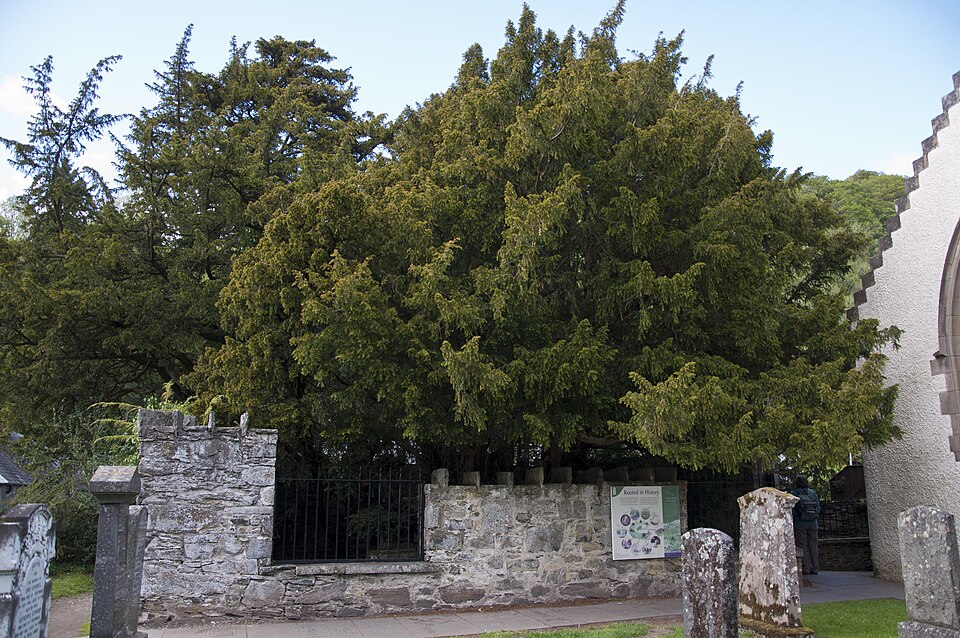
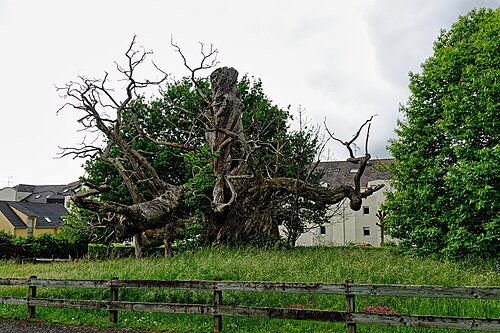
August (43) European Yew (Taxus baccata) · age disputed: roughly 2,000 to over 4,000 years claimed · Gumeli, Alapli, Zonguldak
August to October: red arils on female trees, the only part that is not poisonous.
Read more and get directions →
Gumeli →
Photo: Oliver Dixon (CC BY-SA 2.0)
Black Mulberry (Morus nigra) · roughly 475 years · Groton, near Sudbury
July to August: dark fruit that stains everything under the tree.
Read more and get directions →
Groton →
European Yew (Taxus baccata) · possibly around five centuries, derived from girth and published yew growth rates · Tolox
August to October: red arils on female trees, the only part that is not poisonous.
Read more and get directions →
Ronda →
Black Mulberry (Morus nigra subsp. multicaulus) · 319 years, planted 1707 · Binnenstad
July to August: dark fruit that stains everything under the tree.
Read more and get directions →
Delft →
European Yew (Taxus baccata) · roughly 310-320 years · Topkapı Palace, Cankurtaran, Fatih
August to October: red arils on female trees, the only part that is not poisonous.
Read more and get directions →
Istanbul →
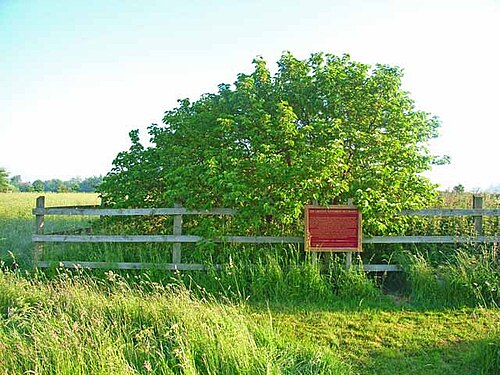
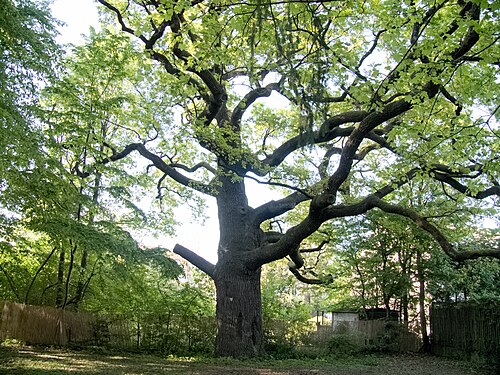
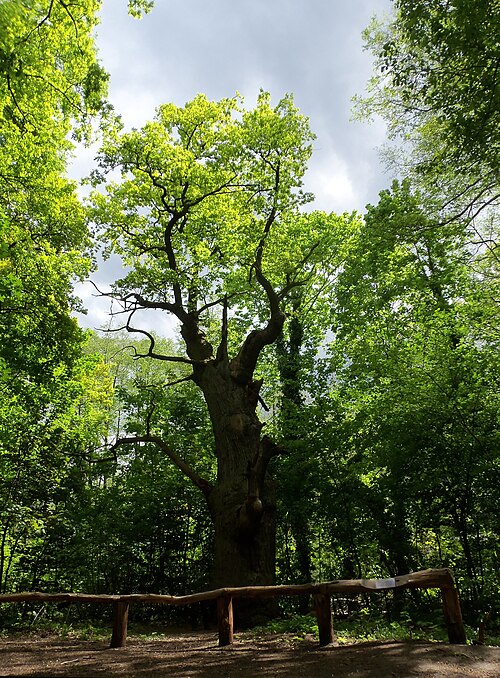
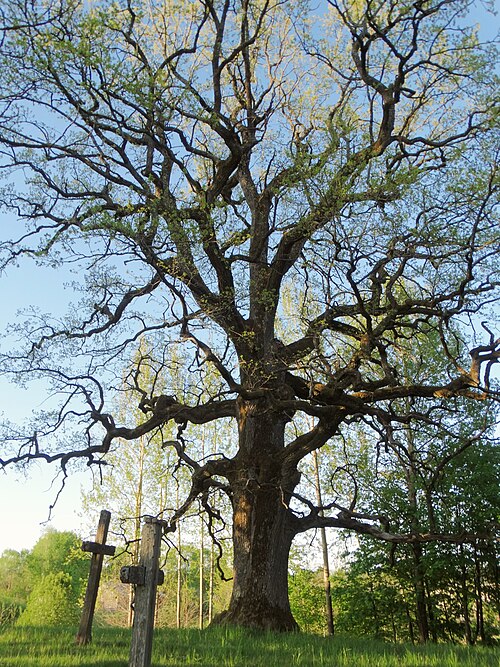
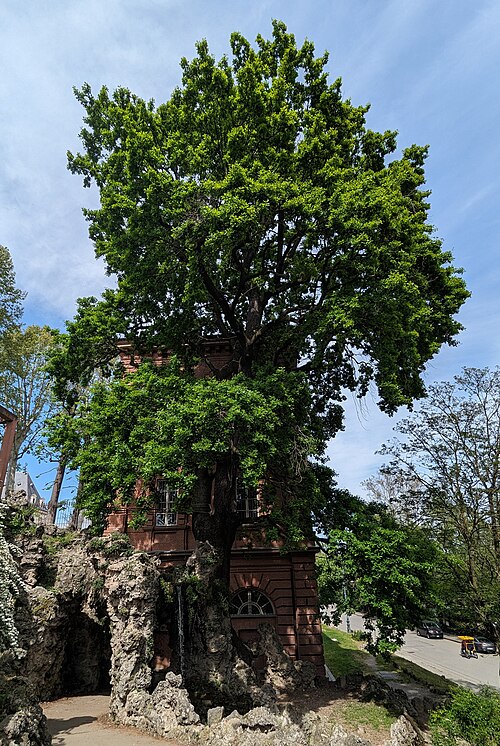
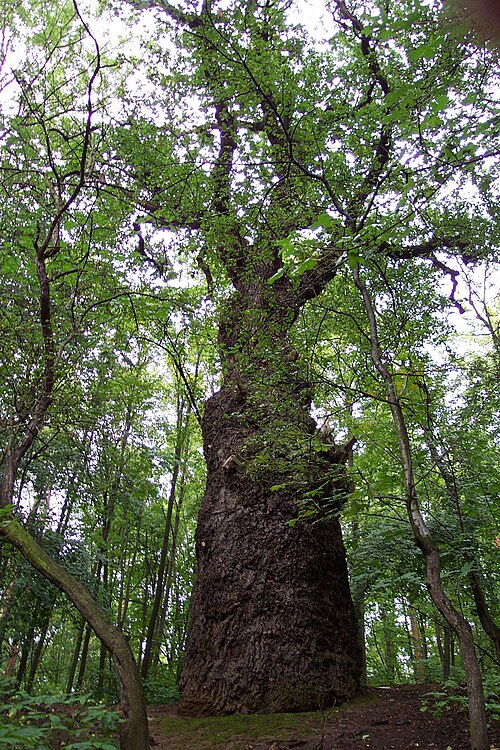
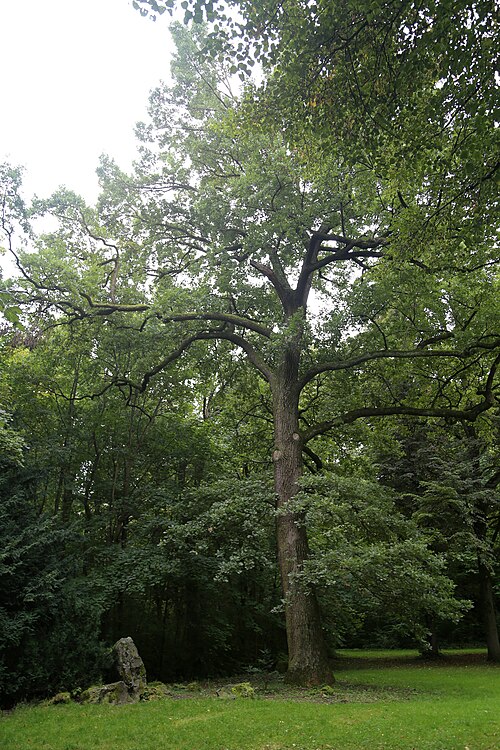
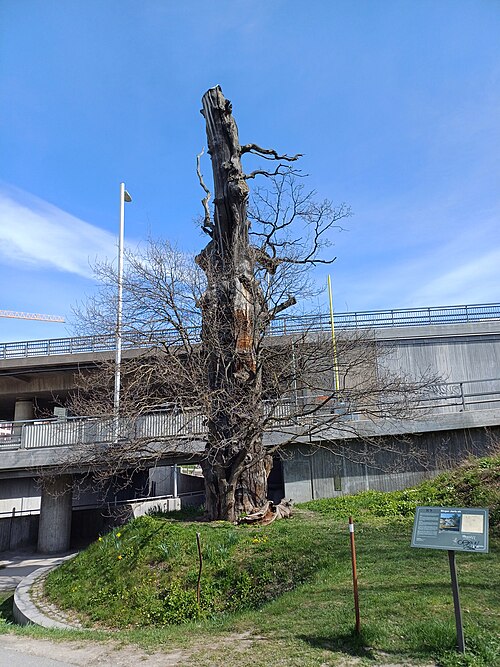
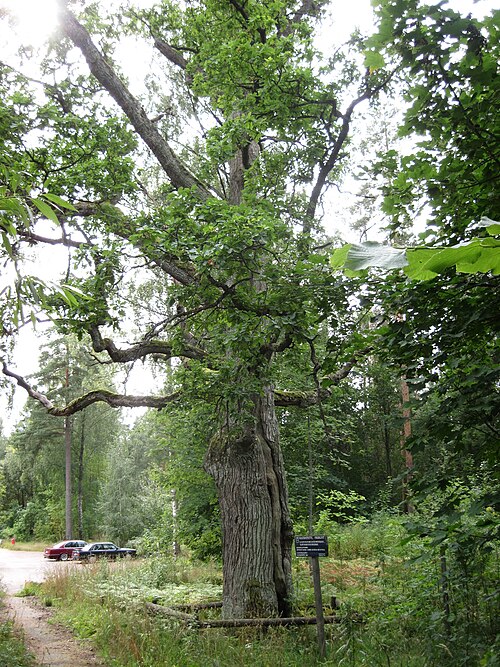
Pedunculate Oak (Quercus robur) · about 310 years · Via Sacra
August to September: acorns drop, and a good mast year buries the ground in them.
Read more and get directions →
Bucaco →
Photo: Mr Ignavy, via Geograph/Wikimedia Commons (CC BY-SA 2.0)
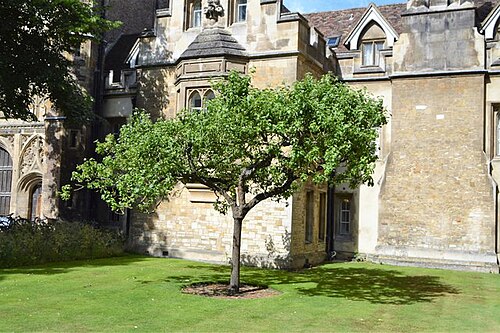
Black Mulberry (Morus nigra) · 417 years · City centre
August into September, when the mulberries ripen.
Read more and get directions →
Cambridge →
Black Mulberry (Morus nigra) · 245 years · City centre
August into September, when the mulberries ripen.
Read more and get directions →
Breda →
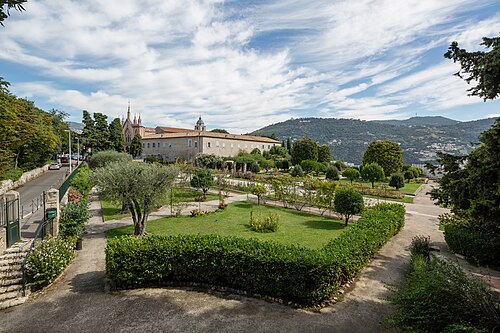
Black Mulberry (Morus nigra) · over 200 years · Zlatá Koruna monastery (Klášter Zlatá Koruna), near Český Krumlov
July and August, when the fruit ripens almost black and drops.
Read more and get directions →
Cesky Krumlov →
Photo: Anaj7 (CC BY-SA 4.0)
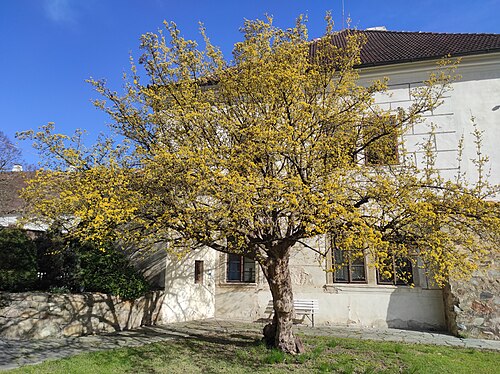
Cornelian Cherry (Cornus mas) · over 200 years · Zlatá Koruna monastery (Klášter Zlatá Koruna), near Český Krumlov
Late August into September, when the scarlet drínky ripen along the branches.
Read more and get directions →
Cesky Krumlov →
Caucasian Wingnut (Pterocarya fraxinifolia) · 195 years · City centre
July to September: long green catkins of winged nutlets hang from every branch.
Read more and get directions →
Breda →
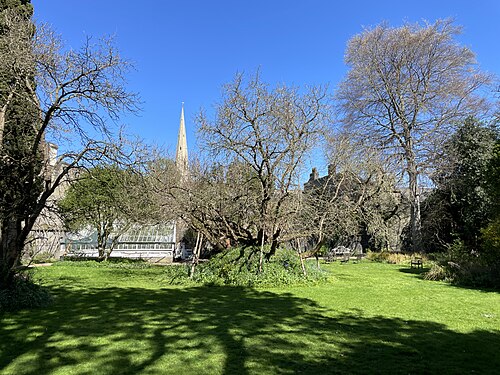
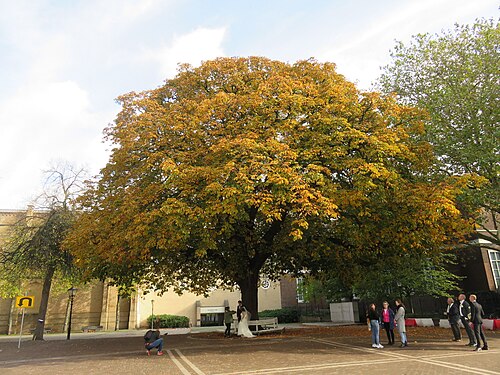
Common Fig (Ficus carica) · roughly 195 years · Clerkenwell, Islington
Late summer, when the figs ripen against the old school wall.
Read more and get directions →
London →
Caucasian Wingnut (Pterocarya fraxinifolia) · roughly 164 years · Square d'Estienne d'Orves
July and August, when the long seed chains hang low enough to read from the pavement.
Read more and get directions →
Paris →
European Hop-hornbeam (Ostrya carpinifolia) · roughly 160-170 years · Comago, Sant'Olcese (Val Polcevera, Genoa metropolitan area, NOT within the comune of Genova)
Late summer, when the pale hop-like fruit clusters hang all over the crown.
Read more and get directions →
Genoa →
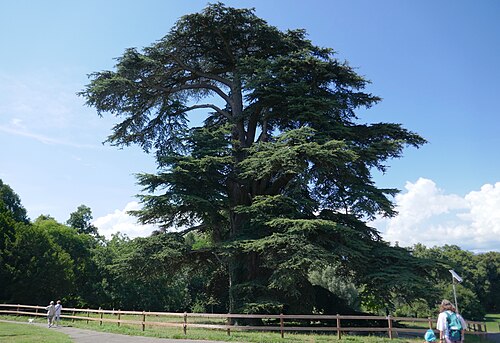
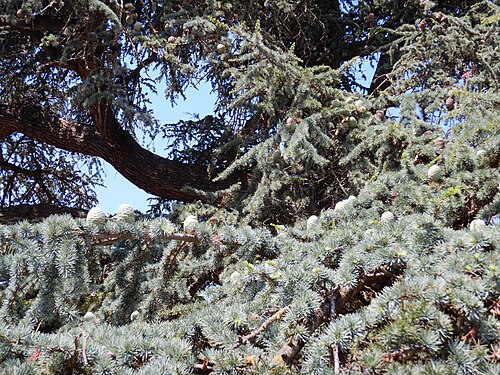
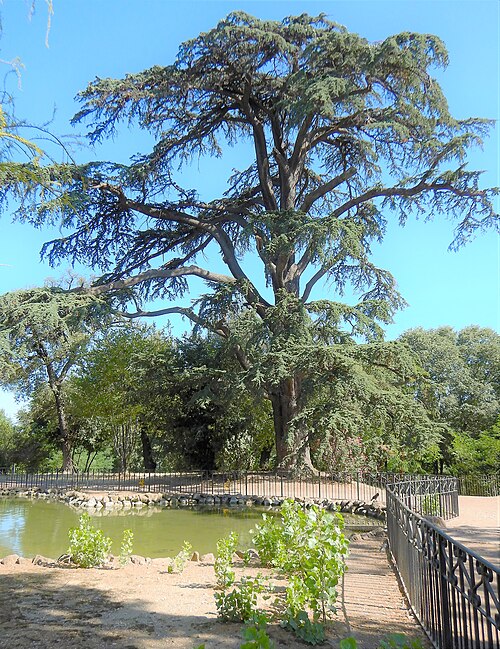
Cedar of Lebanon (Cedrus libani) · over 150 years · Giardino Inglese
August to October: upright barrel cones that sit on the branches like eggs.
Read more and get directions →
Caserta →
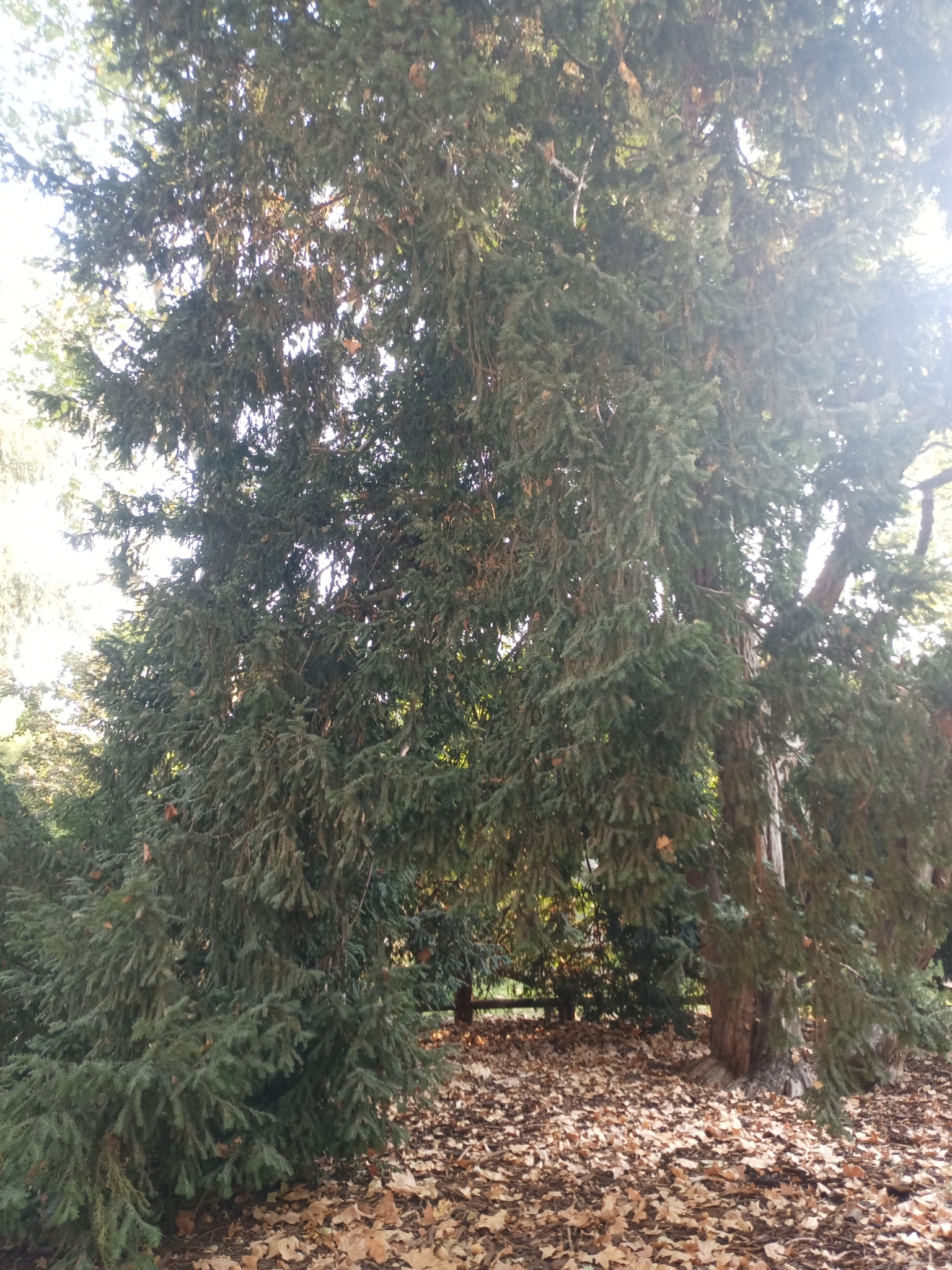
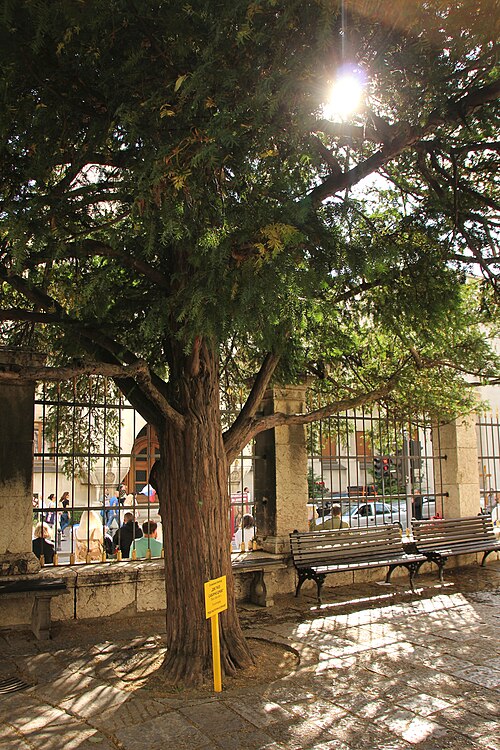
European Yew (Taxus baccata) · the register says 150 years, its own note implies 250 or more · Giardino Inglese, Bagno di Venere
August to October: red arils on female trees, the only part that is not poisonous.
Read more and get directions →
Caserta →
Photo: Juan Cruzado Cortés (CC BY)
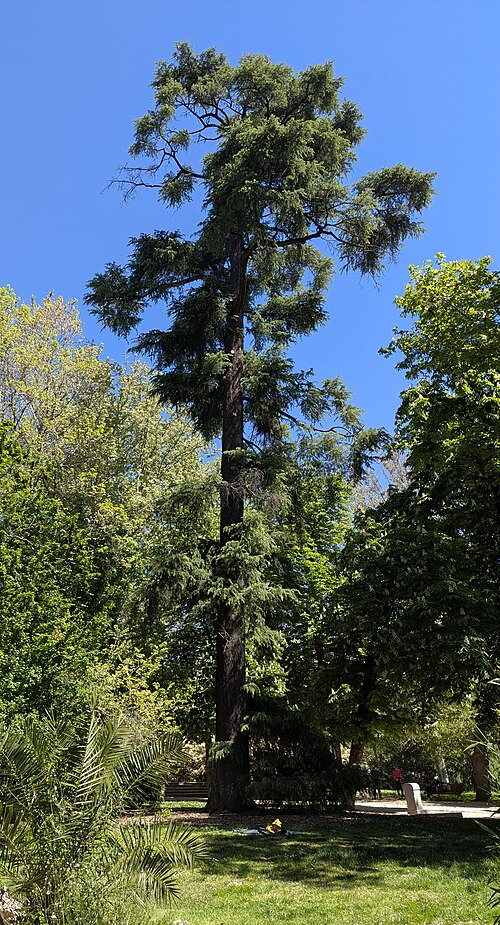
European Yew (Taxus baccata) · over 150 years · Retiro
August to October: red arils on female trees, the only part that is not poisonous.
Read more and get directions →
Madrid →
Caucasian Wingnut (Pterocarya fraxinifolia) · roughly 140 years, planted in the 1880s · Plantsoen
August and September, when chains of winged nutlets hang from every branch.
Read more and get directions →
Leiden →
Black Mulberry (Morus nigra) · roughly 130 to 140 years · Temple, City of London / Westminster border
August, when the black mulberries ripen and drop.
Read more and get directions →
London →
Caucasian Wingnut (Pterocarya fraxinifolia) · about 130 years · Nieuwe Plantage
July to September: long green catkins of winged nutlets hang from every branch.
Read more and get directions →
Delft →
Photo: EnriqueSN (CC BY-SA 4.0)
Cedar of Lebanon (Cedrus libani) · 120-235 years (sources disagree) · Paseo del Prado
August to October: upright barrel cones that sit on the branches like eggs.
Read more and get directions →
Madrid →
Caucasian Wingnut (Pterocarya fraxinifolia) · roughly 120 years · Vosseparkwijk
July to September: long green catkins of winged nutlets hang from every branch.
Read more and get directions →
Leeuwarden →
Caucasian Wingnut (Pterocarya fraxinifolia) · roughly 116 to 126 years, from the register's planting band of 1900 to 1910 · Rengerspark
August and September, when the long strings of winged nutlets hang from the branches.
Read more and get directions →
Leeuwarden →
Caucasian Wingnut (Pterocarya fraxinifolia) · ~120 years · Statenbolwerk
July to September: long green catkins of winged nutlets hang from every branch.
Read more and get directions →
Haarlem →
Tree of Heaven (Ailanthus altissima) · roughly 115 to 125 years, from the register's planting band of 1900 to 1910 · Centrum
August, when the winged seed bunches turn rusty red.
Read more and get directions →
Dordrecht →
Caucasian Wingnut (Pterocarya fraxinifolia) · roughly 125 years · Square Louise Michel, below the Sacre-Coeur, 18th arrondissement
July to September: long green catkins of winged nutlets hang from every branch.
Read more and get directions →
Paris →
Photo: Garuskas (CC BY-SA 4.0)
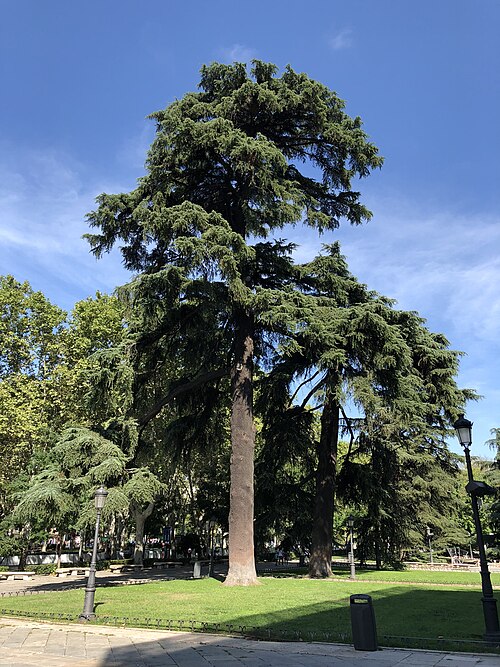
Cedar of Lebanon (Cedrus libani) · about 120 years · Retiro
August to October: upright barrel cones that sit on the branches like eggs.
Read more and get directions →
Madrid →
European Yew (Taxus baccata) · about 106 years · Grymes Hill, Staten Island
August to October: red arils on female trees, the only part that is not poisonous.
Read more and get directions →
New York →
Caucasian Wingnut (Pterocarya fraxinifolia) · about 104 years (received 1922) · Prospect Heights, Brooklyn
July and August, when foot-and-a-half chains of winged nutlets hang from every branch tip.
Read more and get directions →
New York →
European Yew (Taxus baccata) · undated; the garden around it dates from about 1840 · Capodimonte
August to October: red arils on female trees, the only part that is not poisonous.
Read more and get directions →
Naples →
Pedunculate Oak (Quercus robur) · around a century · Braga (Sao Vitor)
August to September: acorns drop, and a good mast year buries the ground in them.
Read more and get directions →
Braga →
Caucasian Wingnut (Pterocarya fraxinifolia) · roughly 70 years · Zuiderpark
July to September: long green catkins of winged nutlets hang from every branch.
Read more and get directions →
Tilburg →
Cedar of Lebanon (Cedrus libani) · Capodimonte
August to October: upright barrel cones that sit on the branches like eggs.
Read more and get directions →
Naples →
Photo: さかおり (CC BY-SA 4.0)
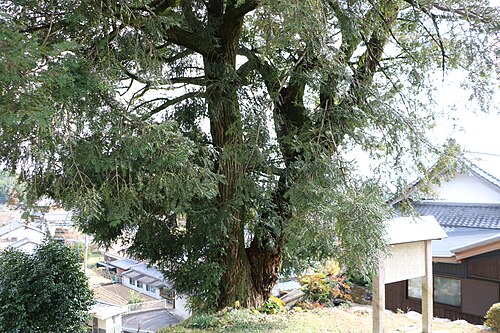
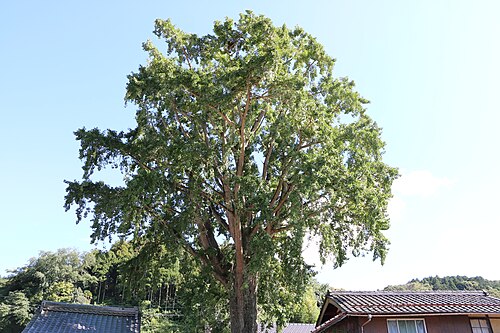
Japanese Nutmeg-yew, Shibunashi variety (Torreya nucifera var. shibunashi) · not documented · Nishiyama, Iga City, about 1km from Takakura Shrine (iga_001)
Late summer, when it carries its yearly crop of kernels with no bitter skin on them.
Read more and get directions →
Iga →
European Yew (Taxus baccata) · Caserta town centre
August to October: red arils on female trees, the only part that is not poisonous.
Read more and get directions →
Caserta →
Black Mulberry (Morus nigra) · not documented · Leuven city centre
July and August, when the fruit turns black and stains the ground under it.
Read more and get directions →
Leuven →
Caucasian Wingnut (Pterocarya fraxinifolia) · Mont des Arts
High summer, when long strings of winged fruit hang from every branch.
Read more and get directions →
Brussels →
Cedar of Lebanon (Cedrus libani) · La Granja de San Ildefonso
August to October: upright barrel cones that sit on the branches like eggs.
Read more and get directions →
Segovia →
Caucasian Wingnut (Pterocarya fraxinifolia) · Riehl
July to September: long green catkins of winged nutlets hang from every branch.
Read more and get directions →
Cologne →
Black Mulberry (Morus nigra) · not documented · Temple, City of London
August, when the mulberries ripen and stain whatever is underneath them.
Read more and get directions →
London →
Pedunculate Oak (Quercus robur) · several centuries, never separately dated · Costa (the Penha slope)
August to September: acorns drop, and a good mast year buries the ground in them.
Read more and get directions →
Guimaraes →
Photo: Friedi13 (CC BY-SA 4.0)
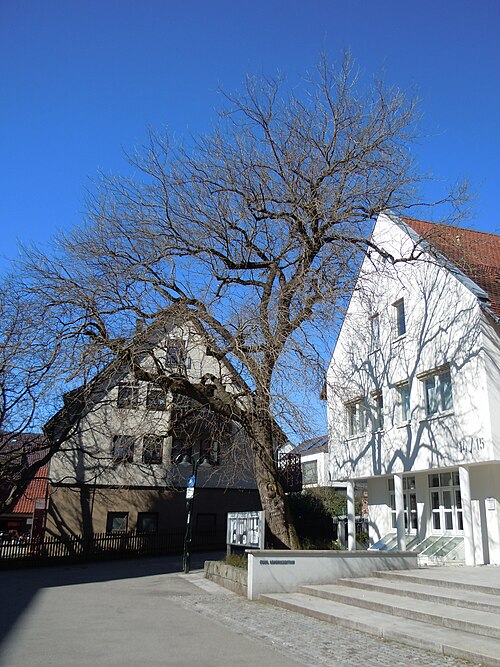
Mulberry (Morus sp.) · Möhringen
July and August, when the fruit ripens and drops onto the square.
Read more and get directions →
Stuttgart →
European Yew (Taxus baccata) · Not recorded · Centro
August to October: red arils on female trees, the only part that is not poisonous.
Read more and get directions →
Zaragoza →
September (322) Photo: Unukorno (CC BY 4.0)
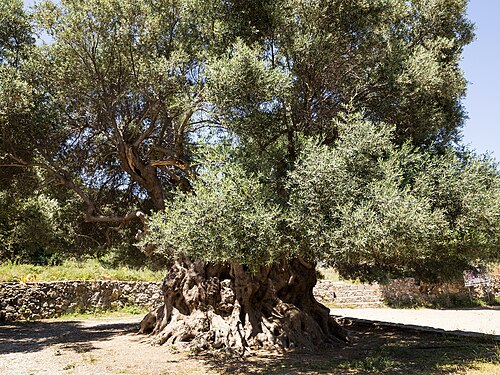
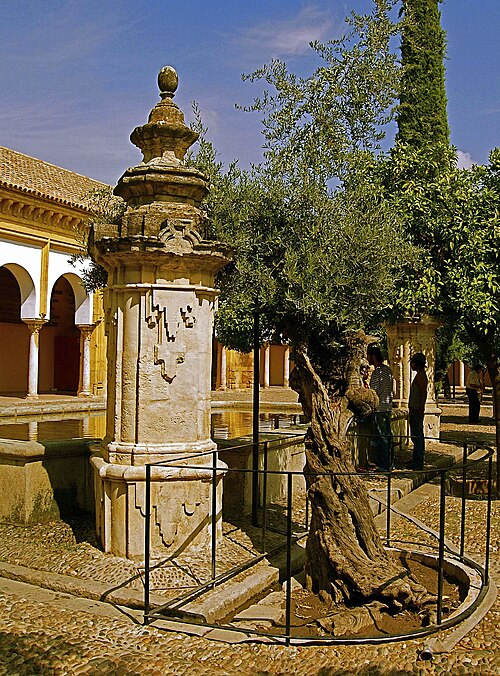
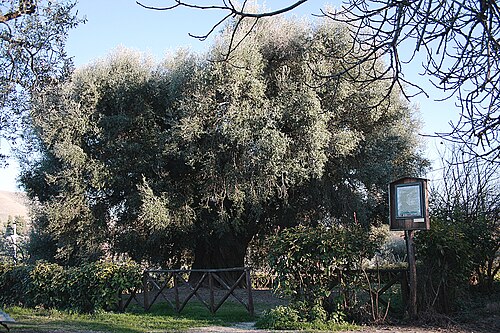
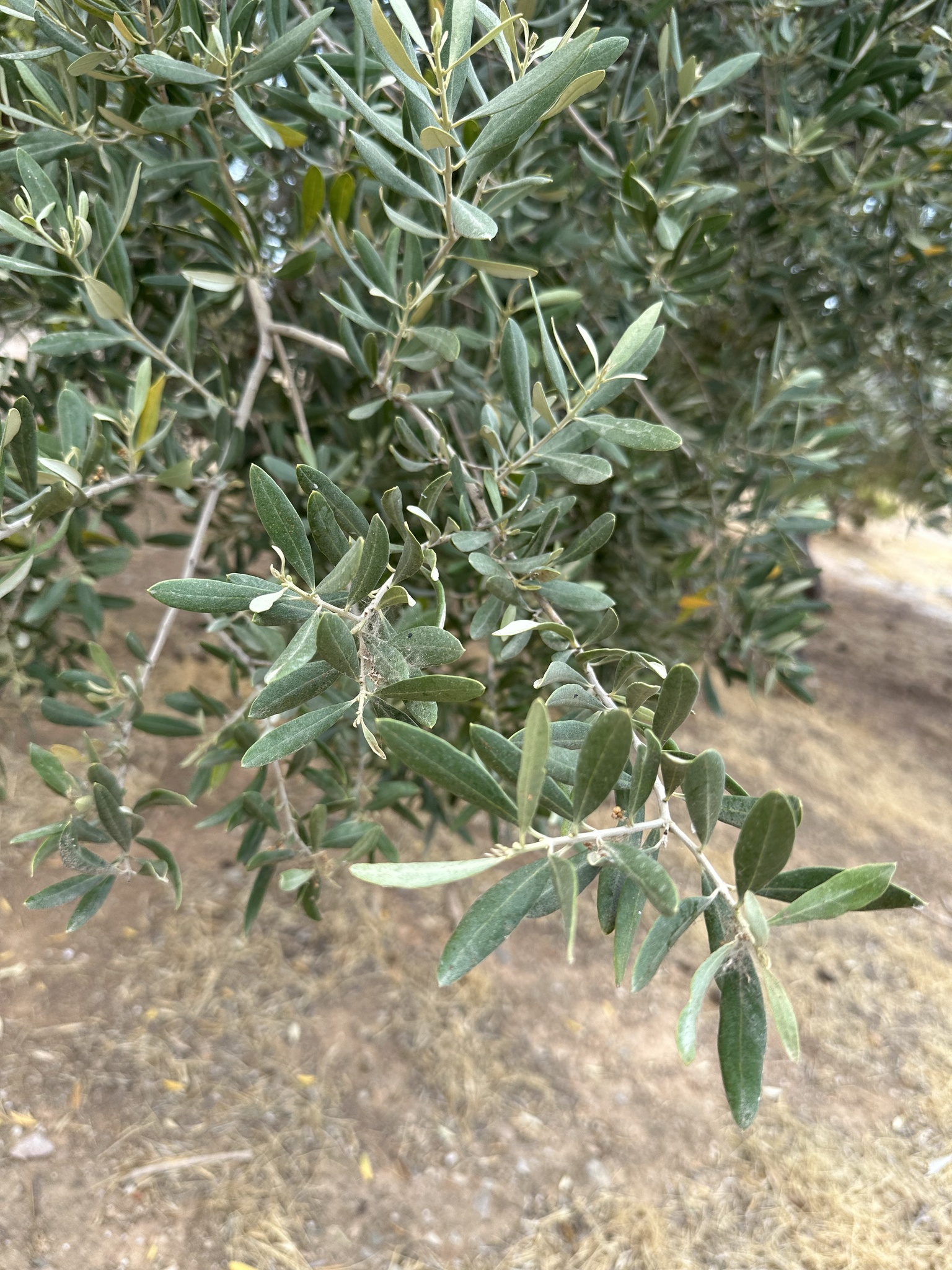
Olive (Olea europaea) · roughly 3,000 to 3,400 years · Azoria, near Kavousi
September to November: the harvest, when the fruit turns from green to black.
Read more and get directions →
Crete →
European Yew (Taxus baccata) · roughly 2,000 to 2,500 years · Runnymede and Ankerwycke (National Trust)
September to November: red arils on female trees, the only part that is not poisonous.
Read more and get directions →
Runnymede →
Photo: Eric Nagle (CC BY-SA 4.0)
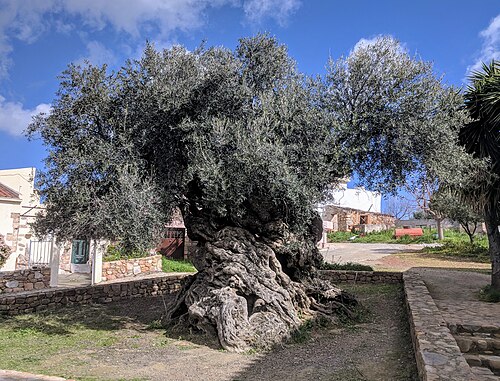
Olive (Olea europaea) · contested: at least 2,000 years, possibly up to 4,000 · Ano Vouves village, next to the Olive Tree Museum of Vouves
September to November: the harvest, when the fruit turns from green to black.
Read more and get directions →
Crete →
Pedunculate Oak (Quercus robur) · about 1,680 years · Granit village
September to October: acorns drop, and a good mast year buries the ground in them.
Read more and get directions →
Granit →
Photo: Algimantas Navickas, Arnoldas Abramavičius, Gintautas Antanavičius, Arvydas Veik (CC BY-SA 4.0)
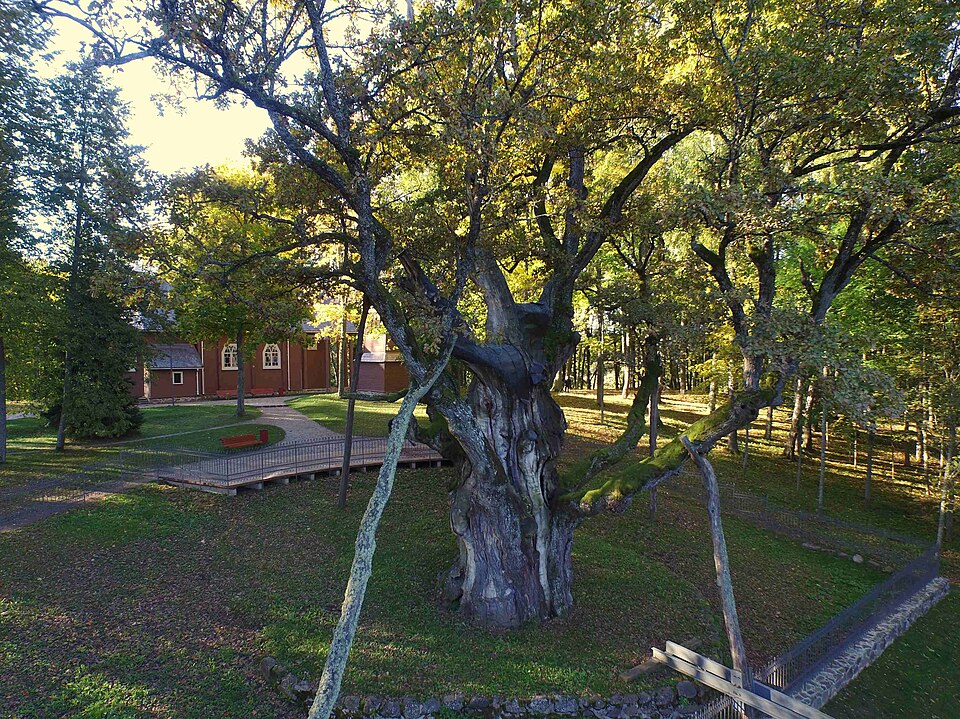
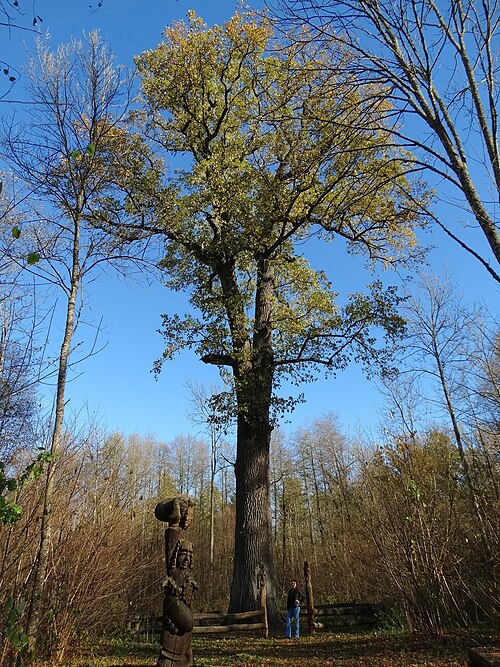
Pedunculate Oak (Quercus robur) · at least 1,500 years old, possibly as much as 2,000 · Stelmužė village, in the old manor park beside the wooden church
September to October: acorns drop, and a good mast year buries the ground in them.
Read more and get directions →
Stelmužė →
Photo: Stemonitis (CC BY-SA 2.5)
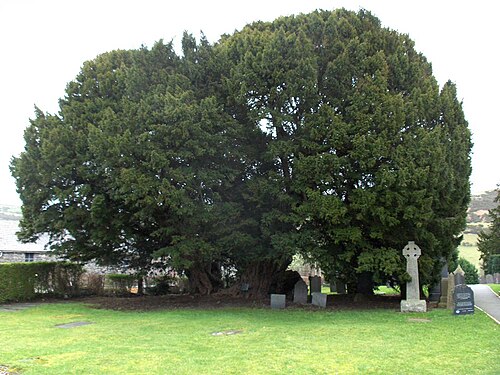
European Yew (Taxus baccata) · disputed: roughly 1,500 to 5,000 years · Llangernyw village
September to November: red arils on female trees, the only part that is not poisonous.
Read more and get directions →
Llangernyw →
European Yew (Taxus baccata) · roughly 1,500 years for the oldest of the three surviving trees · Borrowdale, Lake District
September to November: red arils on female trees, the only part that is not poisonous.
Read more and get directions →
Borrowdale →
European Yew (Taxus baccata) · roughly 1,000 to 1,600 years · Estry, Valdallière commune
September to November: red arils on female trees, the only part that is not poisonous.
Read more and get directions →
Estry →
European Yew (Taxus baccata) · roughly 1500 years · Maljon forest, Cremines
September to November: red arils on female trees, the only part that is not poisonous.
Read more and get directions →
Cremines →
Photo: Oberlausitzerin64 (CC BY-SA 4.0)
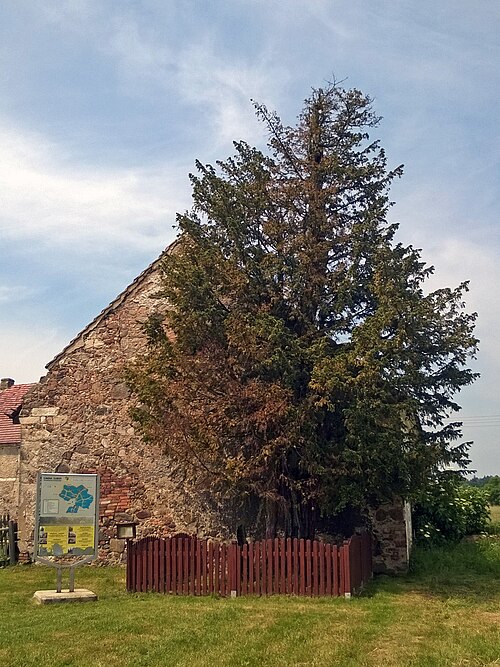
European Yew (Taxus baccata) · roughly 1,300 years · Henryków Lubański, near Lubań
September to November: red arils on female trees, the only part that is not poisonous.
Read more and get directions →
Henryków Lubański →
Photo: Philafrenzy (CC BY-SA 4.0)
European Yew (Taxus baccata) · 2000 years · Totteridge, North London
September to November: red arils on female trees, the only part that is not poisonous.
Read more and get directions →
London →
Photo: Giogo (CC BY-SA 4.0)
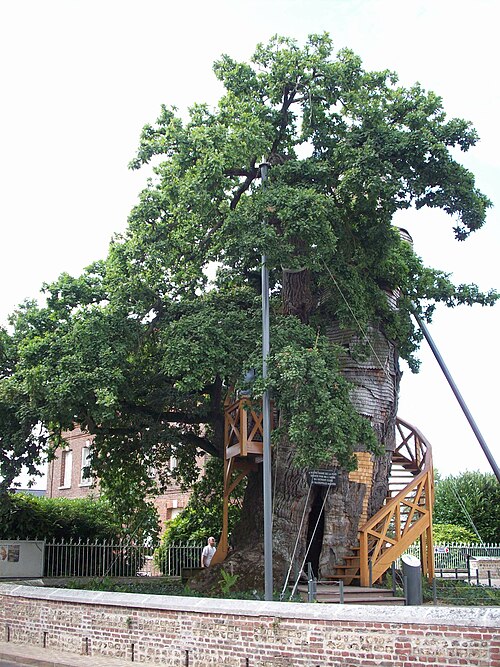
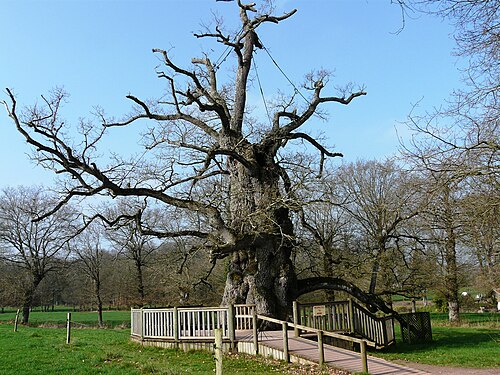
Pedunculate Oak (Quercus robur) · roughly 800 to 1,200 years · Allouville-Bellefosse village centre
September to October: acorns drop, and a good mast year buries the ground in them.
Read more and get directions →
Allouville-Bellefosse →
Olive (Olea europaea) · sources disagree: 800 to 1,700 years · Potima area, Xyliatos
September to November: the harvest, when the fruit turns from green to black.
Read more and get directions →
Cyprus →
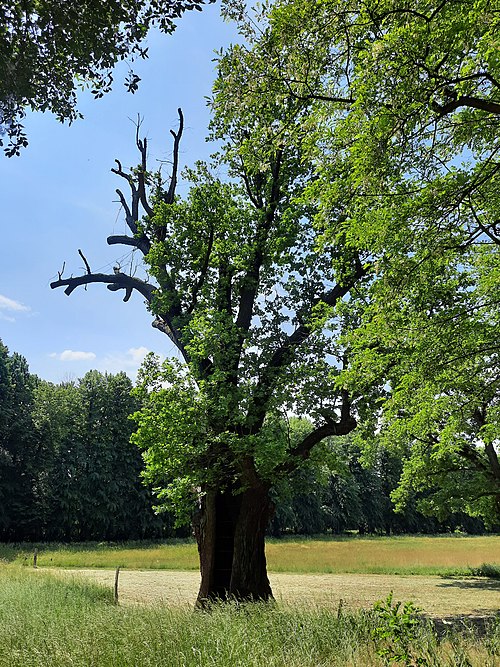
Pedunculate Oak (Quercus robur) · roughly 800 years · Rogalin, Greater Poland Voivodeship (Rogalin Landscape Park)
September to October: acorns drop, and a good mast year buries the ground in them.
Read more and get directions →
Rogalin →
European Yew (Taxus baccata) · often called a thousand years old, though no source commits to that as a documented figure · Yvignac-la-Tour
September to November: red arils on female trees, the only part that is not poisonous.
Read more and get directions →
Yvignac-la-Tour →
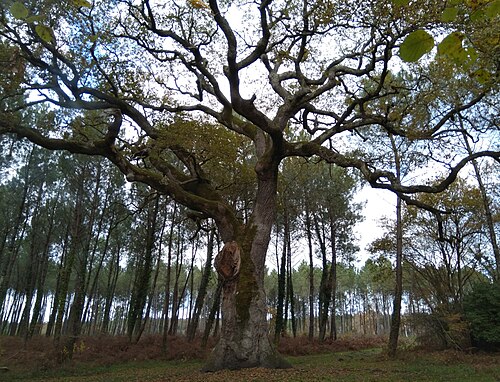
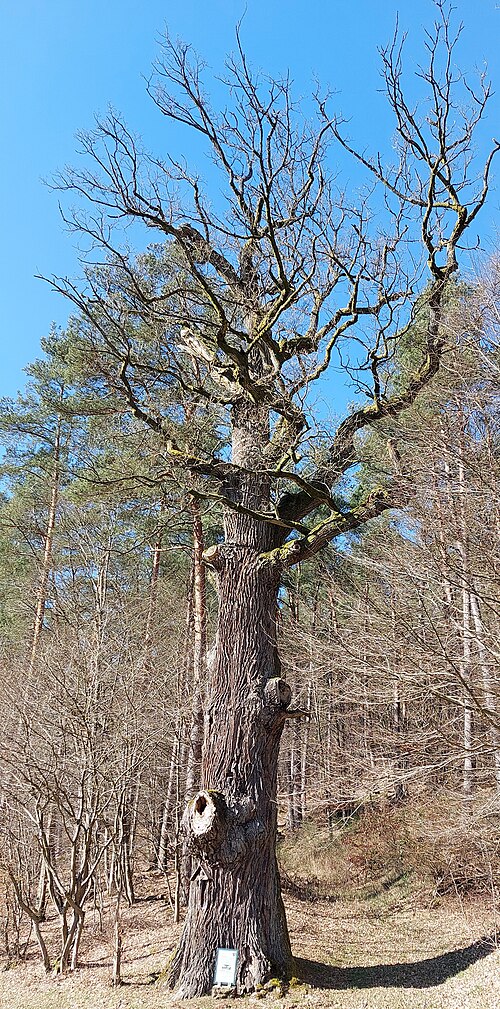
Pedunculate Oak (Quercus robur) · roughly 700-800 years (at least since the 14th century) · Cantaure, rural Landes forest
September to October: acorns drop, and a good mast year buries the ground in them.
Read more and get directions →
Luë →
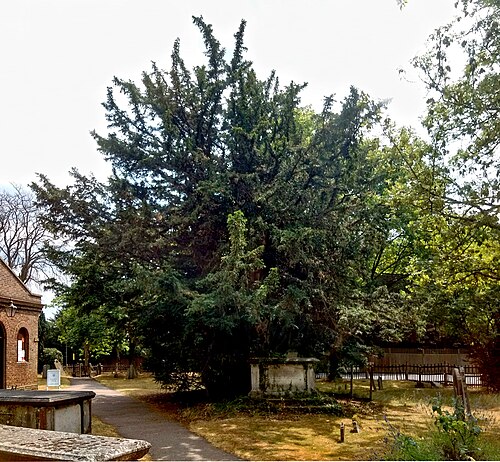
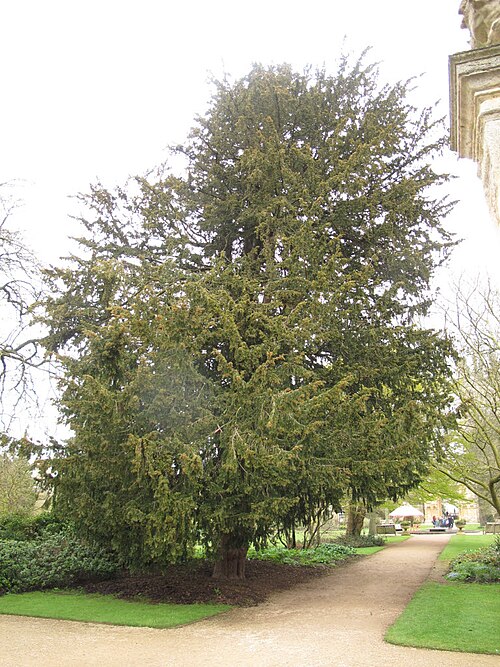
European Yew (Taxus baccata) · 700+ years · Iffley
September to November: red arils on female trees, the only part that is not poisonous.
Read more and get directions →
Oxford →
Photo: AndyScott (CC BY-SA 4.0)
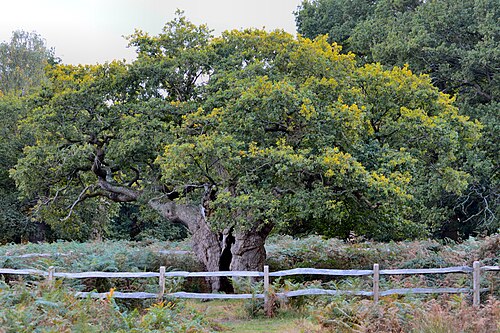
Pedunculate Oak (Quercus robur) · 750 years · Richmond Park
September to October: acorns drop, and a good mast year buries the ground in them.
Read more and get directions →
London →
Photo: Martin Babarik (CC BY-SA 4.0)
Pedunculate Oak (Quercus robur) · about 700 years · Drnava, Roznava District
September to October: acorns drop, and a good mast year buries the ground in them.
Read more and get directions →
Drnava →
Pedunculate Oak (Quercus robur) · 700 years · Ashton Court
Acorns drop, and a good mast year buries the ground in them.
Read more and get directions →
Bristol →
Photo: Vilensija (CC BY-SA 3.0)
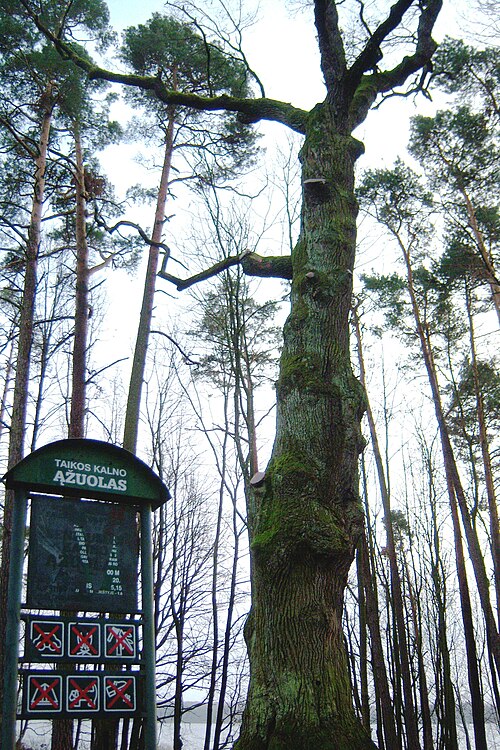
Pedunculate Oak (Quercus robur) · roughly 600 to 700 years · Vieštovėnai village, Plungė district
September to October: acorns drop, and a good mast year buries the ground in them.
Read more and get directions →
Plunge →
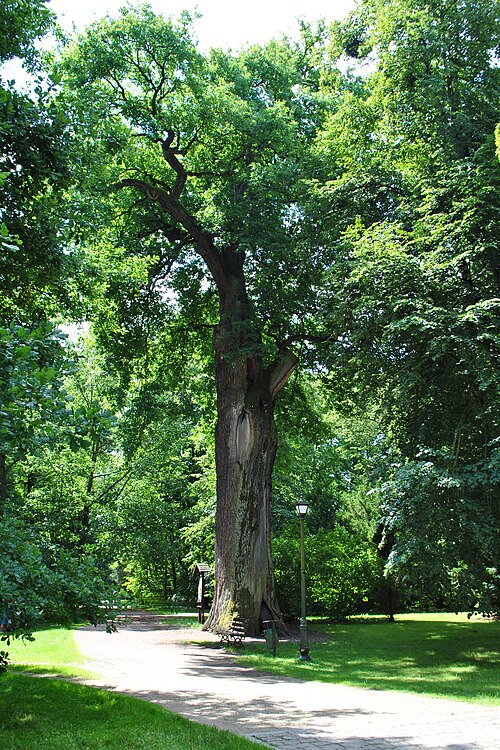
Pedunculate Oak (Quercus robur) · 600-640 years · Ursynow
September to October: acorns drop, and a good mast year buries the ground in them.
Read more and get directions →
Warsaw →
Photo: Marta Reszka (CC BY-SA 3.0)
Pedunculate Oak (Quercus robur) · 600 to 800 years · Pranie, Ruciane-Nida commune, Warminsko-Mazurskie voivodeship
September to October: acorns drop, and a good mast year buries the ground in them.
Read more and get directions →
Pisz Forest →
Photo: UtDicitur (CC BY-SA 4.0)
European Yew (Taxus baccata) · more than 600 years · Blarney
September to November: red arils on female trees, the only part that is not poisonous.
Read more and get directions →
Cork →
Photo: Tkarcher (CC BY-SA 4.0)
Pedunculate Oak (Quercus robur) · approximately 600 years · Sendling-Westpark
Acorns drop, and a good mast year buries the ground in them.
Read more and get directions →
Munich →
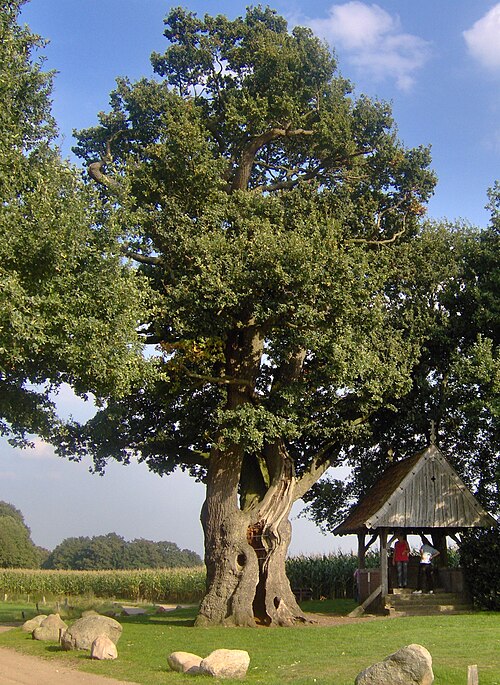
Pedunculate Oak (Quercus robur) · roughly 600 years (locally called the "1000-year oak", which the tree register itself calls popular exaggeration) · Volkenroda
September to October: acorns drop, and a good mast year buries the ground in them.
Read more and get directions →
Volkenroda →
Photo: franek2 (CC BY-SA 3.0)
Pedunculate Oak (Quercus robur) · roughly 500 to 1,000 years · La Rue-Éon, Forêt de Paimpont
September to October: acorns drop, and a good mast year buries the ground in them.
Read more and get directions →
Concoret →
Pedunculate Oak (Quercus robur) · disputed, roughly 500 to 1,000 years · Bierbaum an der Safen
September to October: acorns drop, and a good mast year buries the ground in them.
Read more and get directions →
Bad Blumau →
European Yew (Taxus baccata) · roughly 600 years · Craigends, Houston
September to November: red arils on female trees, the only part that is not poisonous.
Read more and get directions →
Craigends →
Photo: Vilensija (CC BY-SA 3.0)
Pedunculate Oak (Quercus robur) · roughly 500-700 years · Kybarčiai
September to October: acorns drop, and a good mast year buries the ground in them.
Read more and get directions →
Kybarciai →
European Yew (Taxus baccata) · roughly 600 years · Nicorps, Manche
September to November: red arils on female trees, the only part that is not poisonous.
Read more and get directions →
Nicorps →
Photo: Blef00fr (CC BY-SA 4.0)
Pedunculate Oak (Quercus robur) · roughly 600 years · Nerthe, Magescq, Landes
September to October: acorns drop, and a good mast year buries the ground in them.
Read more and get directions →
Magescq →
European Yew (Taxus baccata) · over 500 years · Stanmer Park
September to November: red arils on female trees, the only part that is not poisonous.
Read more and get directions →
Brighton →
Photo: Vilensija (CC BY-SA 3.0)
Pedunculate Oak (Quercus robur) · roughly 600 years · Pažaislis, within Kauno marios regioninis parkas (Kaunas Lagoon Regional Park)
September to October: acorns drop, and a good mast year buries the ground in them.
Read more and get directions →
Kaunas →
European Yew (Taxus baccata) · over 1,000 years · Ormiston, East Lothian (day-trip distance from Edinburgh, ~16.7km)
September to November: red arils on female trees, the only part that is not poisonous.
Read more and get directions →
Edinburgh →
European Yew (Taxus baccata) · 600 years · Newcastle-Lyons, West Dublin
Red arils on female trees, the only part that is not poisonous.
Read more and get directions →
Dublin →
Photo: Maculata (CC BY-SA 3.0)
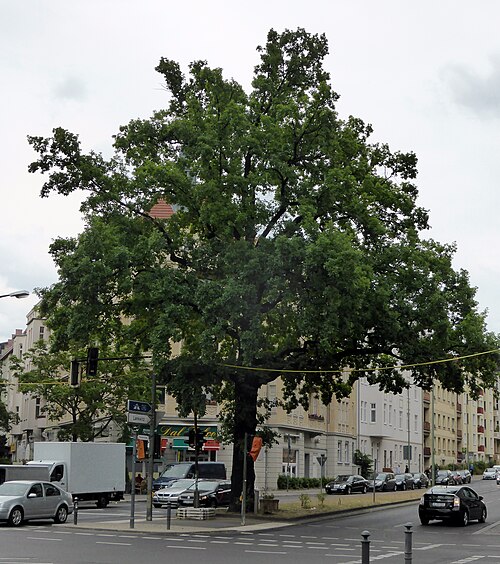
Pedunculate Oak (Quercus robur) · 500-900 years (disputed) · Tegel, Reinickendorf
Acorns drop, and a good mast year buries the ground in them.
Read more and get directions →
Berlin →
Photo: Z thomas (CC BY-SA 4.0)
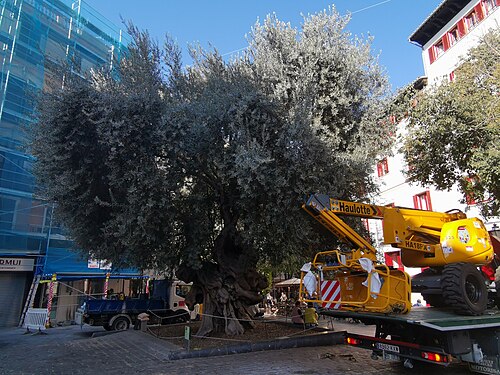
Olive (Olea europaea) · 500 to 600 years · Old town, Palma
September to November: the harvest, when the fruit turns from green to black.
Read more and get directions →
Palma de Mallorca →
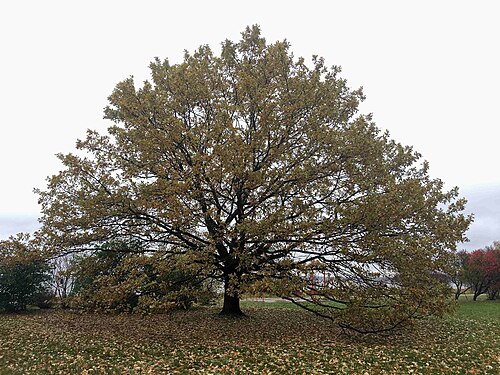
White Oak (Quercus alba) · roughly 600 years · North side of Logan, Hocking County
September and October, when the acorns drop and the town collects them.
Read more and get directions →
Logan, Ohio →
Pedunculate Oak (Quercus robur) · several centuries; estimates disputed (roughly 450-650) · Wiśniowa village park
September to October: acorns drop, and a good mast year buries the ground in them.
Read more and get directions →
Wiśniowa →
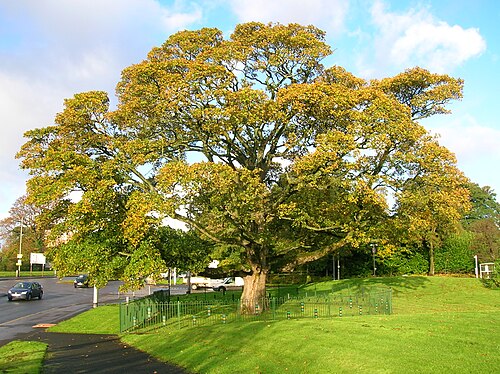
Sycamore (Acer pseudoplatanus) · 450-500 years · Darnley
September to October: winged seeds that spin down in pairs.
Read more and get directions →
Glasgow →
Pedunculate Oak (Quercus robur) · 450 years · Kings Weston
Acorns drop, and a good mast year buries the ground in them.
Read more and get directions →
Bristol →
Sweet Chestnut (Castanea sativa) · possibly around 800 years · Istan
September: chestnuts in spiny burs, ripe and gatherable in October.
Read more and get directions →
Ronda →
Pedunculate Oak (Quercus robur) · roughly 450 years, though locally called the 700-year oak · Stapel, Amt Neuhaus
September to October: acorns drop, and a good mast year buries the ground in them.
Read more and get directions →
Amt Neuhaus →
Pedunculate Oak (Quercus robur) · roughly 500-650 years · Hniszów, on the Bug river
September to October: acorns drop, and a good mast year buries the ground in them.
Read more and get directions →
Hniszów →
Pedunculate Oak (Quercus robur) · roughly 400 to 500 years · Landgoed Verwolde, Laren, Gelderland (Lochem municipality)
September to October: acorns drop, and a good mast year buries the ground in them.
Read more and get directions →
Laren, Gelderland →
Pedunculate Oak (Quercus robur) · roughly 400-450 years · Dębina, near Jelcz-Laskowice
September to October: acorns drop, and a good mast year buries the ground in them.
Read more and get directions →
Dębina →
Photo: Marek Mroz (CC BY 4.0)
Pedunculate Oak (Quercus robur) · roughly 450 to 500 years · Pocysterski Zespol Klasztorno-Palacowy park, Rudy
September to October: acorns drop, and a good mast year buries the ground in them.
Read more and get directions →
Rudy →
Photo: Tubantia (CC BY-SA 3.0)
Pedunculate Oak (Quercus robur) · roughly 400 to 500 years; some local claims go much higher but are not well supported · Fleringen, Tubbergen, Overijssel
September to October: acorns drop, and a good mast year buries the ground in them.
Read more and get directions →
Fleringen →
Pedunculate Oak (Quercus robur) · roughly 500 years · Brimmon, on the edge of Newtown, Powys
September to October: acorns drop, and a good mast year buries the ground in them.
Read more and get directions →
Newtown →
Pedunculate Oak (Quercus robur) · roughly 600 years, by long local tradition · Pagramantis Regional Park
September to October: acorns drop, and a good mast year buries the ground in them.
Read more and get directions →
Pagramantis Regional Park →
Photo: Finn Årup Nielsen (CC BY-SA 4.0)
Pedunculate Oak (Quercus robur) · up to about 800 years · Lyngby Aamose, Kongens Lyngby
September to October: acorns drop, and a good mast year buries the ground in them.
Read more and get directions →
Copenhagen →
Photo: Jill Jennings (CC BY-SA 4.0)
Sessile Oak (Quercus petraea) · widely said to be around 1,000 years (traditional estimate, undated) · Calderstones Park, Allerton
September and October, when it puts down something close to a hundred thousand acorns.
Read more and get directions →
Liverpool →
European Yew (Taxus baccata) · around 1,000 years (disputed, see notes) · Nedvedice, Zdar nad Sazavou District, Vysocina Region
September to November: red arils on female trees, the only part that is not poisonous.
Read more and get directions →
Nedvedice →
Photo: Pnapora (CC BY-SA 3.0)
European Yew (Taxus baccata) · roughly 600 years · Książ, Wałbrzych
September to November: red arils on female trees, the only part that is not poisonous.
Read more and get directions →
Książ →
Photo: SchiDD (CC BY-SA 4.0)
Sycamore (Acer pseudoplatanus) · presumably around 450 years · The Ramsau plateau, at the Feistererhof
September to October: winged seeds that spin down in pairs.
Read more and get directions →
Ramsau am Dachstein →
Photo: Fridolin freudenfett (CC BY-SA 4.0)
Pedunculate Oak (Quercus robur) · 400-500 years · Tegel, Reinickendorf
Acorns drop, and a good mast year buries the ground in them.
Read more and get directions →
Berlin →
Photo: Didivo67 (CC BY-SA 4.0)
Pedunculate Oak (Quercus robur) · roughly 400 to 500 years · Reyersviller, Pays de Bitche, Moselle
September to October: acorns drop, and a good mast year buries the ground in them.
Read more and get directions →
Reyersviller →
Pedunculate Oak (Quercus robur) · over 400 years · Užupis / Old Town
September to October: acorns drop, and a good mast year buries the ground in them.
Read more and get directions →
Vilnius →
Photo: Vilensija (CC BY-SA 3.0)
Pedunculate Oak (Quercus robur) · approximately 400 years · Gojus forest, Stakliškės eldership, Prienai district
September to October: acorns drop, and a good mast year buries the ground in them.
Read more and get directions →
Gojaus Miskas →
Pedunculate Oak (Quercus robur) · roughly 400 to 450 years · Othmarschen
September to October: acorns drop, and a good mast year buries the ground in them.
Read more and get directions →
Hamburg →
Photo: Stephen Craven, via Geograph/Wikimedia Commons (CC BY-SA 2.0)
European Yew (Taxus baccata) · 381 years · City centre, opposite Christ Church Meadow
September to November: red arils on female trees, the only part that is not poisonous.
Read more and get directions →
Oxford →
Photo: Rainer Lippert (CC BY-SA 3.0)
Pedunculate Oak (Quercus robur) · roughly 500 to 700 years (sources disagree) · Eisolzried, Bergkirchen
September to October: acorns drop, and a good mast year buries the ground in them.
Read more and get directions →
Eisolzried →
Pedunculate Oak (Quercus robur) · roughly 400 years · Tåsinge island, Svendborg municipality
September to October: acorns drop, and a good mast year buries the ground in them.
Read more and get directions →
Taasinge →
Photo: Heath Cajandig (CC BY 2.0)
Bur Oak (Quercus macrocarpa) · 350 to 400 years · Missouri River bottoms, near McBaine
September and October, when the big fringed acorns drop into the field.
Read more and get directions →
Columbia, Missouri →
Pedunculate Oak (Quercus robur) · over 350 years · Stoutenburg, Leusden, Utrecht
September to October: acorns drop, and a good mast year buries the ground in them.
Read more and get directions →
Stoutenburg →
Pedunculate Oak (Quercus robur) · several hundred years (popularly, but not literally, called 'the thousand-year oak') · Doornenburg, Lingewaard, Gelderland
September to October: acorns drop, and a good mast year buries the ground in them.
Read more and get directions →
Doornenburg →
Photo: Leszek Jańczuk (CC BY-SA 4.0)
Pedunculate Oak (Quercus robur) · roughly 400 years · Przybudki, near Białowieża Forest
September to October: acorns drop, and a good mast year buries the ground in them.
Read more and get directions →
Przybudki →
Photo: Fry72 (Karel Frydrýšek), CC BY-SA 4.0 (CC BY-SA 4.0)
Pedunculate Oak (Quercus robur) · about 350 to 400 years; sources give both figures and neither is a ring count · Kolibki, Gdynia Orlowo
September to October: acorns drop, and a good mast year buries the ground in them.
Read more and get directions →
Gdansk →
Olive (Olea europaea) · approximately 400 years · San Marcelino, Patraix
September to November: the harvest, when the fruit turns from green to black.
Read more and get directions →
Valencia →
Pedunculate Oak (Quercus robur) · close to 400 years · Forest
Acorns drop, and a good mast year buries the ground in them.
Read more and get directions →
Brussels →
Pedunculate Oak (Quercus robur) · roughly 400 years · Szczytniki, on the riverside path between the Zwierzyniecki and Szczytnicki bridges
September to October: acorns drop, and a good mast year buries the ground in them.
Read more and get directions →
Wroclaw →
Pedunculate Oak (Quercus robur) · 350-400 years · Grunewald, Charlottenburg-Wilmersdorf
Acorns drop, and a good mast year buries the ground in them.
Read more and get directions →
Berlin →
Photo: Daniel Capilla (Dcapillae) (CC BY-SA 4.0)
Olive (Olea europaea) · approximately 400 years · Ciudad Jardin
September to November: the harvest, when the fruit turns from green to black.
Read more and get directions →
Malaga →
Pedunculate Oak (Quercus robur) · roughly 350 to 400 years · Zechenter's Garden
September to October: acorns drop, and a good mast year buries the ground in them.
Read more and get directions →
Kremnica →
Photo: Mike Faherty (CC BY-SA 2.0)
Sycamore (Acer pseudoplatanus) · roughly 340 years · Tolpuddle village green
September to October: winged seeds that spin down in pairs.
Read more and get directions →
Tolpuddle →
Pedunculate Oak (Quercus robur) · roughly 330 to 345 years · Amerongen
September to October: acorns drop, and a good mast year buries the ground in them.
Read more and get directions →
Amerongen →
Pedunculate Oak (Quercus robur) · roughly 370 years · Żywiec
September to October: acorns drop, and a good mast year buries the ground in them.
Read more and get directions →
Żywiec →
Photo: Manuel FLURY (CC BY-SA 4.0)
Pedunculate Oak (Quercus robur) · disputed, between roughly 300 and 500 years · Hersberg, Bech, Luxembourg
September to October: acorns drop, and a good mast year buries the ground in them.
Read more and get directions →
Altrier →
Pedunculate Oak (Quercus robur) · roughly 300 to 350 years · Othmarschen
September to October: acorns drop, and a good mast year buries the ground in them.
Read more and get directions →
Hamburg →
Pedunculate Oak (Quercus robur) · 300 to 450 years (disputed, see notes) · Bohunovice cadastral area, Olomouc District, Olomouc Region
September to October: acorns drop, and a good mast year buries the ground in them.
Read more and get directions →
Bohunovice →
Pedunculate Oak (Quercus robur) · sources disagree, several hundred to over a thousand years · Nedensdorf, near Bad Staffelstein
September to October: acorns drop, and a good mast year buries the ground in them.
Read more and get directions →
Bad Staffelstein →
Pedunculate Oak (Quercus robur) · roughly 300 to 500 years · Velp, Rheden, Gelderland
September to October: acorns drop, and a good mast year buries the ground in them.
Read more and get directions →
Velp →
Photo: Vilensija (CC BY-SA 3.0)
Pedunculate Oak (Quercus robur) · over 300 years, undocumented exact age · Pagramantis Regional Park
September to October: acorns drop, and a good mast year buries the ground in them.
Read more and get directions →
Pagramantis Regional Park →
Pedunculate Oak (Quercus robur) · several centuries; a forester who studied it argues it may be the oldest living oak in the Netherlands, planted around 1250 · Den Hout, Oosterhout, Noord-Brabant
September to October: acorns drop, and a good mast year buries the ground in them.
Read more and get directions →
Den Hout →
Photo: Ilaria Camprincoli (CC BY-SA 2.5)
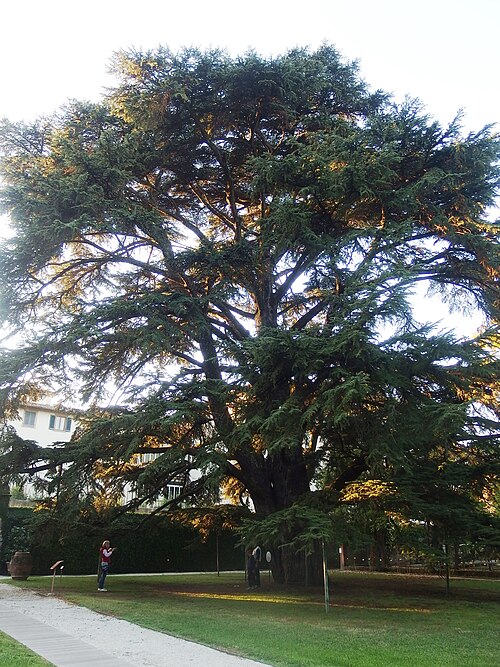
European Yew (Taxus baccata) · 306 years · San Marco
September to November: red arils on female trees, the only part that is not poisonous.
Read more and get directions →
Florence →
Photo: Jonathan Oldenbuck (CC BY-SA 3.0)
European Yew (Taxus baccata) · 300-450 years · Craigmillar
September to November: red arils on female trees, the only part that is not poisonous.
Read more and get directions →
Edinburgh →
Pedunculate Oak (Quercus robur) · often called millenary on the strength of its size, with no published figure · Ultzama
September to October: acorns drop, and a good mast year buries the ground in them.
Read more and get directions →
Pamplona →
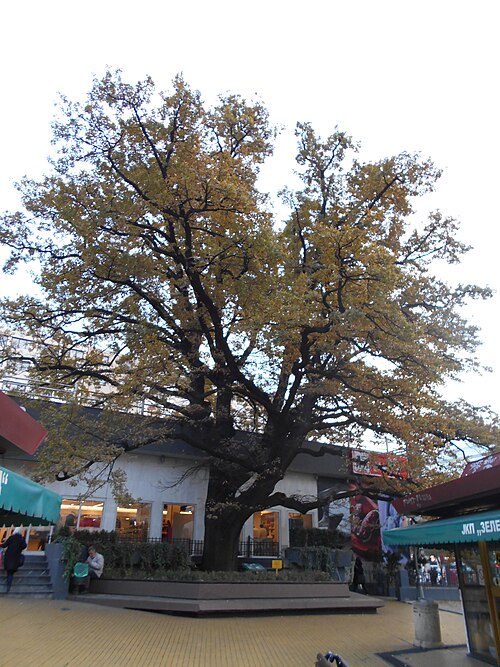
Pedunculate Oak (Quercus robur) · 300-500+ years (disputed) · Lozenets
September to October: acorns drop, and a good mast year buries the ground in them.
Read more and get directions →
Sofia →
European Yew (Taxus baccata) · roughly 300 to 400 years · De Steeg, municipality of Rheden
September to November: red arils on female trees, the only part that is not poisonous.
Read more and get directions →
Arnhem →
Photo: apollo13 (CC BY 3.0)
Pedunculate Oak (Quercus robur) · roughly 300 years · Sécheron
September to October: acorns drop, and a good mast year buries the ground in them.
Read more and get directions →
Geneva →
Pedunculate Oak (Quercus robur) · about 300 years · Sint Pieter
September to October: acorns drop, and a good mast year buries the ground in them.
Read more and get directions →
Maastricht →
Cedar of Lebanon (Cedrus libani) · 290 years · Jardin des Plantes, 5th arrondissement
September to November: upright barrel cones that sit on the branches like eggs.
Read more and get directions →
Paris →
Pedunculate Oak (Quercus robur) · about 300 years · Haagse Hout
Acorns drop, and a good mast year buries the ground in them.
Read more and get directions →
The Hague →
Photo: Rama (CC BY-SA 2.0 FR)
Cedar of Lebanon (Cedrus libani) · about 290 years · Grottes-Saint-Gervais
September to November: upright barrel cones that sit on the branches like eggs.
Read more and get directions →
Geneva →
European Yew (Taxus baccata) · 290 years · Widcombe
Red arils on female trees, the only part that is not poisonous.
Read more and get directions →
Bath →
Photo: B!G!1851 (CC BY-SA 4.0)
Pedunculate Oak (Quercus robur) · roughly 275-350 years · Rödgen
September to October: acorns drop, and a good mast year buries the ground in them.
Read more and get directions →
Giessen →
Pedunculate Oak (Quercus robur) · ~300 years · Hazegrietje
September to October: acorns drop, and a good mast year buries the ground in them.
Read more and get directions →
Arnhem →
Pedunculate Oak (Quercus robur) · roughly 300 years · Jaegersborg Dyrehave (the royal deer park)
September to October: acorns drop, and a good mast year buries the ground in them.
Read more and get directions →
Copenhagen →
Pedunculate Oak (Quercus robur) · about 300 years · Łubowice, gmina Rudnik, Racibórz County
September to October: acorns drop, and a good mast year buries the ground in them.
Read more and get directions →
Rudy →
Photo: Luca Volpi (CC BY-SA 2.0)
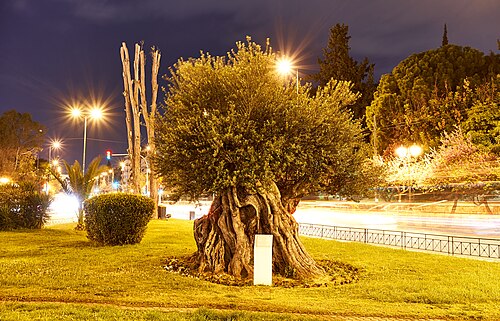
Olive (Olea europaea) · about 285 years · Centro Historico
September to November: the harvest, when the fruit turns from green to black.
Read more and get directions →
Cordoba →
Pedunculate Oak (Quercus robur) · 275 years · Plantage, Amsterdam-Centrum
Acorns drop, and a good mast year buries the ground in them.
Read more and get directions →
Amsterdam →
Photo: DynaMoToR (CC BY-SA 4.0)
Pedunculate Oak (Quercus robur) · 250 to 300 years · Grosser Garten
September to October: acorns drop, and a good mast year buries the ground in them.
Read more and get directions →
Dresden →
Pedunculate Oak (Quercus robur) · roughly 250 to 350 years · Beilen, municipality of Midden-Drenthe
September to October: acorns drop, and a good mast year buries the ground in them.
Read more and get directions →
Assen →
Pedunculate Oak (Quercus robur) · roughly 275 years · Wilda
September to October: acorns drop, and a good mast year buries the ground in them.
Read more and get directions →
Poznan →
Cedar of Lebanon (Cedrus libani) · planted in the 18th century, roughly 250 to 300 years · Stanmer Park
September to November: upright barrel cones that sit on the branches like eggs.
Read more and get directions →
Brighton →
Pedunculate Oak (Quercus robur) · about 265 years, revised upward in 2024 · Helpman
September to October: acorns drop, and a good mast year buries the ground in them.
Read more and get directions →
Groningen →
Photo: Janusz Krzyzek (CC BY-SA 4.0)
Pedunculate Oak (Quercus robur) · 240-250 years · Lagiewniki-Borek Falecki
September to October: acorns drop, and a good mast year buries the ground in them.
Read more and get directions →
Krakow →
European Yew (Taxus baccata) · 280 years · Glasnevin
Red arils on female trees, the only part that is not poisonous.
Read more and get directions →
Dublin →
Cedar of Lebanon (Cedrus libani) · 250 years · Henbury
Upright barrel cones that sit on the branches like eggs.
Read more and get directions →
Bristol →
Photo: Zbigniew Zielinski (Drumeros) (CC BY 3.0)
Pedunculate Oak (Quercus robur) · ~250 years · Lostowice
September to October: acorns drop, and a good mast year buries the ground in them.
Read more and get directions →
Gdansk →
Pedunculate Oak (Quercus robur) · 225 to 275 years, planted somewhere between 1750 and 1800 · Haagse Hout
September to October: acorns drop, and a good mast year buries the ground in them.
Read more and get directions →
The Hague →
Cedar of Lebanon (Cedrus libani) · roughly 250 years · Angerenstein
September to November: upright barrel cones that sit on the branches like eggs.
Read more and get directions →
Arnhem →
Pedunculate Oak (Quercus robur) · roughly 230 to 280 years, from the register's planting band of 1750-1800
September to October: acorns drop, and a good mast year buries the ground in them.
Read more and get directions →
Assen →
Pedunculate Oak (Quercus robur) · roughly 250 years · Sonsbeek
September to October: acorns drop, and a good mast year buries the ground in them.
Read more and get directions →
Arnhem →
Photo: Jerzy Opiola (CC BY-SA 4.0)
Pedunculate Oak (Quercus robur) · around 230 years · Wesola
September to October: acorns drop, and a good mast year buries the ground in them.
Read more and get directions →
Krakow →
Pedunculate Oak (Quercus robur) · roughly 300 to 500 years · Untermerzbach, Landkreis Hassberge
September to October: acorns drop, and a good mast year buries the ground in them.
Read more and get directions →
Untermerzbach →
Photo: Fundacao Mata do Bucaco
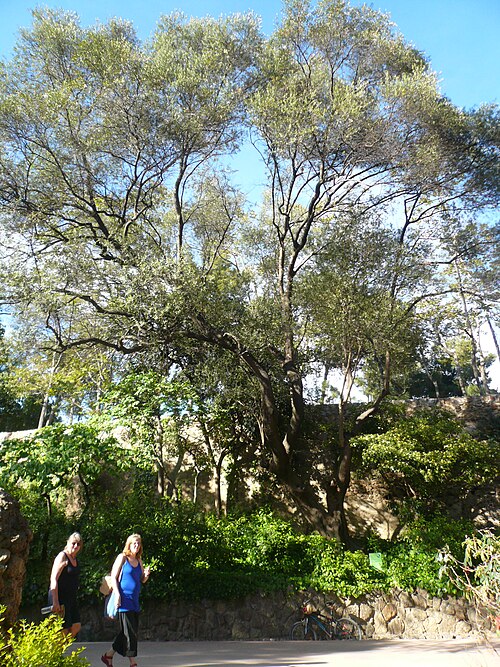
Olive (Olea europaea) · unknown, but standing here in 1810 · Largo do Mosteiro
September to November: the harvest, when the fruit turns from green to black.
Read more and get directions →
Bucaco →
Photo: DrAttendoloSforza (CC BY-SA 4.0)
Pedunculate Oak (Quercus robur) · roughly 220 to 250 years · Amelisweerd / Bunnik border
September to October: acorns drop, and a good mast year buries the ground in them.
Read more and get directions →
Utrecht →
Black Walnut (Juglans nigra) · roughly 219 years · Margaret Island
Late September into October, when the green-husked walnuts drop and stain everything they touch.
Read more and get directions →
Budapest →
Photo: Wendy Cutler (CC BY-SA 2.0)
Sycamore (Acer pseudoplatanus) · 220 years · Castleknock, Phoenix Park
Winged seeds that spin down in pairs.
Read more and get directions →
Dublin →
Pedunculate Oak (Quercus robur) · about 210 years · Loosduinen
September to October: acorns drop, and a good mast year buries the ground in them.
Read more and get directions →
The Hague →
Pedunculate Oak (Quercus robur) · roughly 210 years · Sonsbeek
September to October: acorns drop, and a good mast year buries the ground in them.
Read more and get directions →
Arnhem →
Pedunculate Oak (Quercus robur) · about 210 years · Haagse Hout
September to October: acorns drop, and a good mast year buries the ground in them.
Read more and get directions →
The Hague →
Pedunculate Oak (Quercus robur) · roughly 210 years · Sonsbeek
September to October: acorns drop, and a good mast year buries the ground in them.
Read more and get directions →
Arnhem →
Black Walnut (Juglans nigra) · roughly 205 years, from a replanting the register dates to 1820 to 1822 · De Worp
September, when the heavy green nuts come down.
Read more and get directions →
Deventer →
Cedar of Lebanon (Cedrus libani) · about 206 years · Eaux-Vives
September to November: upright barrel cones that sit on the branches like eggs.
Read more and get directions →
Geneva →
Photo: Palickap (CC BY-SA 4.0)
Cedar of Lebanon (Cedrus libani) · 204 years, planted in 1822 · Centro Storico
September to November: upright barrel cones that sit on the branches like eggs.
Read more and get directions →
Lucca →
Sycamore (Acer pseudoplatanus) · roughly 200 to 270 years · Nienstedten
September to October: winged seeds that spin down in pairs.
Read more and get directions →
Hamburg →
Photo: Ivan Ruggiero (CC BY-SA 4.0)
Pedunculate Oak (Quercus robur) · over 200 years, by the regional register's age band · San Salvario
September to October: acorns drop, and a good mast year buries the ground in them.
Read more and get directions →
Turin →
European Yew (Taxus baccata) · roughly 200 years · Obertraun village centre
September to November: red arils on female trees, the only part that is not poisonous.
Read more and get directions →
Hallstatt →
Bur Oak (Quercus macrocarpa) · the grove's oldest survivors are roughly 200 to 300 years · Jackson Park / Hyde Park
September and October, when the big fringed bur oak acorns come down.
Read more and get directions →
Chicago →
Photo: MHM55 (CC BY-SA 4.0)
Cedar of Lebanon (Cedrus libani) · 200-225 years · Eaux-Vives
September to November: upright barrel cones that sit on the branches like eggs.
Read more and get directions →
Geneva →
Pedunculate Oak (Quercus robur) · roughly 209 years · Margaret Island
Acorns drop, and a good mast year buries the ground in them.
Read more and get directions →
Budapest →
European Yew (Taxus baccata) · roughly 209 years · Margaret Island
Red arils on female trees, the only part that is not poisonous.
Read more and get directions →
Budapest →
European Yew (Taxus baccata) · around 200-220 years · King's Park
September to November: red arils on female trees, the only part that is not poisonous.
Read more and get directions →
Glasgow →
Pedunculate Oak (Quercus robur) · 210 years · Clondalkin
Acorns drop, and a good mast year buries the ground in them.
Read more and get directions →
Dublin →
Pedunculate Oak (Quercus robur) · roughly 195 to 205 years, from the register's planting band of 1820 to 1830 · Weizigt
September to October: acorns drop, and a good mast year buries the ground in them.
Read more and get directions →
Dordrecht →
Cedar of Lebanon (Cedrus libani) · 200 years · Inverleith
September to November: upright barrel cones that sit on the branches like eggs.
Read more and get directions →
Edinburgh →
Photo: BuhaM, CC BY-SA 4.0 (CC BY-SA 4.0)
Pedunculate Oak (Quercus robur) · 200+ years · Vračar
Acorns drop, and a good mast year buries the ground in them.
Read more and get directions →
Belgrade →
Photo: Daniela Manili Pessina (CC BY-SA 4.0)
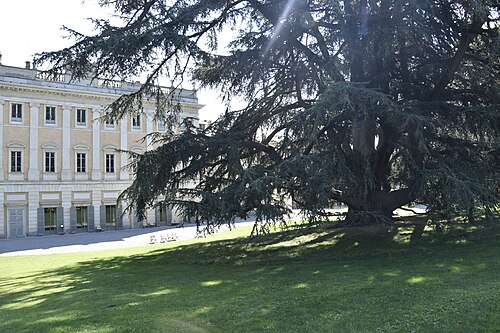
Cedar of Lebanon (Cedrus libani) · about 200 years · Villa Olmo, lakefront (Via Borgovico)
September to November: upright barrel cones that sit on the branches like eggs.
Read more and get directions →
Como →
Photo: Aktron (CC BY-SA 3.0)
Pedunculate Oak (Quercus robur) · roughly 210 years · Kosire, Praha 5
September to October: acorns drop, and a good mast year buries the ground in them.
Read more and get directions →
Prague →
Photo: Sefjo (CC BY-SA 3.0)
Pedunculate Oak (Quercus robur) · estimated 190-200 years · Bubenec, Trojsky ostrov
Acorns drop, and a good mast year buries the ground in them.
Read more and get directions →
Prague →
European Yew (Taxus baccata) · roughly 200 years · Bad Goisern village centre
September to November: red arils on female trees, the only part that is not poisonous.
Read more and get directions →
Hallstatt →
Pedunculate Oak (Quercus robur) · about 190 years · Centrum
September to October: acorns drop, and a good mast year buries the ground in them.
Read more and get directions →
The Hague →
Pedunculate Oak (Quercus robur) · roughly 185 to 195 years, from the register's planting band of 1830 to 1840 · Hoekelum
September to October: acorns drop, and a good mast year buries the ground in them.
Read more and get directions →
Ede →
Cedar of Lebanon (Cedrus libani) · roughly 200 years · Eaux-Vives
September to November: upright barrel cones that sit on the branches like eggs.
Read more and get directions →
Geneva →
Pedunculate Oak (Quercus robur) · about 200 years · Srodmiescie (Lazienki Krolewskie)
September to October: acorns drop, and a good mast year buries the ground in them.
Read more and get directions →
Warsaw →
Photo: Sefjo (CC BY-SA 3.0)
Pedunculate Oak (Quercus robur) · roughly 200 years · Kosire, Praha 5
September to October: acorns drop, and a good mast year buries the ground in them.
Read more and get directions →
Prague →
Pedunculate Oak (Quercus robur) · roughly 180-190 years · Frederikspark
September to October: acorns drop, and a good mast year buries the ground in them.
Read more and get directions →
Haarlem →
Pedunculate Oak (Quercus robur) · roughly 200 years · Angerenstein
September to October: acorns drop, and a good mast year buries the ground in them.
Read more and get directions →
Arnhem →
Pedunculate Oak (Quercus robur) · roughly 180 to 230 years, from the register's planting band of 1800-1850
September to October: acorns drop, and a good mast year buries the ground in them.
Read more and get directions →
Heerlen →
Pedunculate Oak (Quercus robur) · roughly 180 years, from a registered planting date around 1850
September to October: acorns drop, and a good mast year buries the ground in them.
Read more and get directions →
Assen →
Pedunculate Oak (Quercus robur) · about 180 years · Zorgvliet
September to October: acorns drop, and a good mast year buries the ground in them.
Read more and get directions →
The Hague →
Pedunculate Oak (Quercus robur) · roughly 180 years · Sonsbeek
September to October: acorns drop, and a good mast year buries the ground in them.
Read more and get directions →
Arnhem →
Pedunculate Oak (Quercus robur) · roughly 175 to 350 years, judged from a trunk 4.9 m round · Geidorf (Panoramagasse, Ruckerlberg hillside)
September to October: acorns drop, and a good mast year buries the ground in them.
Read more and get directions →
Graz →
Photo: Vilensija (CC BY-SA 3.0)
Pedunculate Oak (Quercus robur) · roughly 175 to 300 years, judged from a trunk 4.45 m round · Pajūris, Šilalė district, Lithuania
September to October: acorns drop, and a good mast year buries the ground in them.
Read more and get directions →
Pajūris →
Pedunculate Oak (Quercus robur) · roughly 185 years · Cytadela Park, Winiary
September to October: acorns drop, and a good mast year buries the ground in them.
Read more and get directions →
Poznan →
Pedunculate Oak (Quercus robur) · over 170 years · Brno-střed (city centre)
September to October: acorns drop, and a good mast year buries the ground in them.
Read more and get directions →
Brno →
Pedunculate Oak (Quercus robur) · roughly 175 years · Landgoed Zijpendaal
September to October: acorns drop, and a good mast year buries the ground in them.
Read more and get directions →
Arnhem →
European Yew (Taxus baccata) · roughly 175 years · Sonsbeek
September to November: red arils on female trees, the only part that is not poisonous.
Read more and get directions →
Arnhem →
Pedunculate Oak (Quercus robur) · about 170 years, planted 1850-1860 · Warande
September to October: acorns drop, and a good mast year buries the ground in them.
Read more and get directions →
Helmond →
Pedunculate Oak (Quercus robur) · roughly 170 to 180 years, from the register's planting band of 1850 to 1860 · Strijp
September to October: acorns drop, and a good mast year buries the ground in them.
Read more and get directions →
Eindhoven →
Pedunculate Oak (Quercus robur) · roughly 170 years, from a registered planting date around 1860
September to October: acorns drop, and a good mast year buries the ground in them.
Read more and get directions →
Heerlen →
Pedunculate Oak (Quercus robur) · about 170 years, planted 1850-1860 · Warande
September to October: acorns drop, and a good mast year buries the ground in them.
Read more and get directions →
Helmond →
Photo: Sefjo (CC BY-SA 3.0)
Pedunculate Oak (Quercus robur) · roughly 185 years · Liboc, Praha 6
September to October: acorns drop, and a good mast year buries the ground in them.
Read more and get directions →
Prague →
Photo: The photonaut (CC BY-SA 4.0)
Pedunculate Oak (Quercus robur) · estimated 165-180 years · Stare Mesto, Petrska ctvrt
Acorns drop, and a good mast year buries the ground in them.
Read more and get directions →
Prague →
European Yew (Taxus baccata) · around 167 years · Trsteno
Red arils on female trees, the only part that is not poisonous.
Read more and get directions →
Dubrovnik →
Osage Orange (Maclura pomifera) · about 200 years · Giardino Inglese, upper garden
September and October, when grapefruit-sized green fruit thump down and lie where they land.
Read more and get directions →
Caserta →
Pedunculate Oak (Quercus robur) · around 160 years · Alteveer/Cattepoel
September to October: acorns drop, and a good mast year buries the ground in them.
Read more and get directions →
Arnhem →
Pedunculate Oak (Quercus robur) · roughly 155 to 165 years, from the register's planting band of 1860 to 1870 · Emmerhout
September to October: acorns drop, and a good mast year buries the ground in them.
Read more and get directions →
Emmen →
Pedunculate Oak (Quercus robur) · roughly 155 to 165 years, from the register's planting band of 1860 to 1870 · Lunteren
September to October: acorns drop, and a good mast year buries the ground in them.
Read more and get directions →
Ede →
Photo: Matej Batha (CC BY-SA 2.5)
Pedunculate Oak (Quercus robur) · estimated 155-165 years · Smichov
Acorns drop, and a good mast year buries the ground in them.
Read more and get directions →
Prague →
Pedunculate Oak (Quercus robur) · roughly 170 years · Smichov
September to October: acorns drop, and a good mast year buries the ground in them.
Read more and get directions →
Prague →
Cedar of Lebanon (Cedrus libani) · roughly 155-165 years (register); local sources say over 250 years · Scheepvaartkwartier
September to November: upright barrel cones that sit on the branches like eggs.
Read more and get directions →
Rotterdam →
Photo: Rufus46 (CC BY-SA 3.0)
Pedunculate Oak (Quercus robur) · 155 years · Flaucher, Sendling
Acorns drop, and a good mast year buries the ground in them.
Read more and get directions →
Munich →
Photo: Claconvr (CC BY-SA 4.0)
Cedar of Lebanon (Cedrus libani) · planted 1873 · Centro Storico
September to November: upright barrel cones that sit on the branches like eggs.
Read more and get directions →
Verona →
Photo: Byus71 (CC BY-SA 4.0)
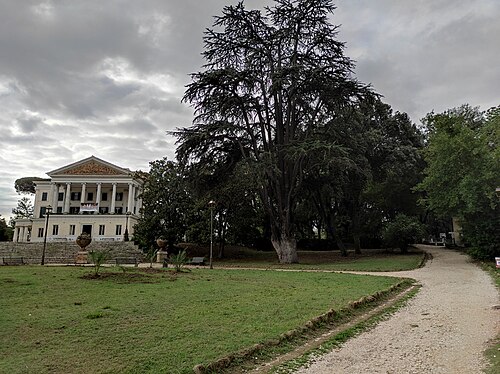
Cedar of Lebanon (Cedrus libani) · estimated 150-200+ years, undocumented · Nomentana / Villa Torlonia
Upright barrel cones that sit on the branches like eggs.
Read more and get directions →
Rome →
European Yew (Taxus baccata) · unknown, mature (large girth for the species) · Lordelo do Ouro e Massarelos
Red arils on female trees, the only part that is not poisonous.
Read more and get directions →
Porto →
Photo: Albarubescens (CC BY-SA 4.0)
Cedar of Lebanon (Cedrus libani) · 150-320 years, disputed · Monteverde
Upright barrel cones that sit on the branches like eggs.
Read more and get directions →
Rome →
Photo: Śryż (CC BY-SA 4.0)
Pedunculate Oak (Quercus robur) · roughly 150-200 years · Łódź city centre
September to October: acorns drop, and a good mast year buries the ground in them.
Read more and get directions →
Łódź →
Photo: Isabetta70 (CC BY-SA 4.0)
Cedar of Lebanon (Cedrus libani) · roughly 190 years, if the 1835 planting date is accurate · Parco Aymerich, Laconi, Sarcidano
Autumn, when the upright cones stand along the branches.
Read more and get directions →
Sardinia →
Horse Chestnut (Aesculus hippocastanum) · roughly 150 to 300 years, judged from a trunk 4.36 m round · Irvington
Late September, when the conkers drop.
Read more and get directions →
Portland →
Pedunculate Oak (Quercus robur) · roughly 150 to 250 years, judged from a trunk 3.75 m round · Lindenthal
September to October: acorns drop, and a good mast year buries the ground in them.
Read more and get directions →
Cologne →
Pedunculate Oak (Quercus robur) · over 150 years · Foret de La Londe-Rouvray, near Oissel / Les Essarts
September to October: acorns drop, and a good mast year buries the ground in them.
Read more and get directions →
Rouen →
Valonia Oak (Quercus ithaburensis subsp. macrolepis) · about 170 years, planted with the garden from 1854 · Barriera Vecchia
September and October, when the shaggy acorn cups are on the tree.
Read more and get directions →
Trieste →
Pedunculate Oak (Quercus robur) · likely 200+ years, undocumented exactly · Hietzing, 13th district
Acorns drop, and a good mast year buries the ground in them.
Read more and get directions →
Vienna →
Photo: Peterf (CC BY-SA 4.0)
Pedunculate Oak (Quercus robur) · undated, called unique in size for the city · Nymphenburg
Acorns drop, and a good mast year buries the ground in them.
Read more and get directions →
Munich →
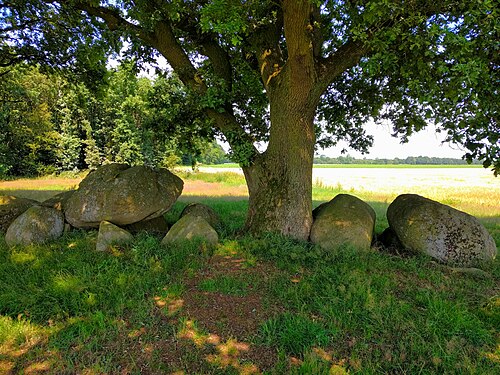
Pedunculate Oak (Quercus robur) · roughly 150 to 200 years (the group); the oldest individual oak behind dolmen D4 appears older · Midlaren, at the Hunenborg dolmens D3 and D4
September to October: acorns drop, and a good mast year buries the ground in them.
Read more and get directions →
Groningen →
Photo: Clemens Mosch (CC BY-SA 4.0)
Pedunculate Oak (Quercus robur) · estimated 150-250 years · Leopoldstadt, 2nd district
Acorns drop, and a good mast year buries the ground in them.
Read more and get directions →
Vienna →
European Yew (Taxus baccata) · over 150 years · Binnenstad
September to November: red arils on female trees, the only part that is not poisonous.
Read more and get directions →
Utrecht →
Photo: WeeJeeVee (CC BY-SA 4.0)
Horse Chestnut (Aesculus hippocastanum) · at least 150 years, predates 1883 · Centrum
September and October, when the conkers ripen and fall.
Read more and get directions →
The Hague →
Cedar of Lebanon (Cedrus libani) · around 155 years · Trsteno
Upright barrel cones that sit on the branches like eggs.
Read more and get directions →
Dubrovnik →
Pedunculate Oak (Quercus robur) · roughly 145 to 155 years, from the register's planting band of 1870 to 1880 · Erica
September to October: acorns drop, and a good mast year buries the ground in them.
Read more and get directions →
Emmen →
Pedunculate Oak (Quercus robur) · ~150 years · Centrum
September to October: acorns drop, and a good mast year buries the ground in them.
Read more and get directions →
Haarlem →
Cedar of Lebanon (Cedrus libani) · roughly 155 years · Villa del Grumello, lakefront (between Villa Olmo and Villa Geno)
September to November: upright barrel cones that sit on the branches like eggs.
Read more and get directions →
Como →
Pedunculate Oak (Quercus robur) · roughly 150 years · Brno-střed (city centre)
September to October: acorns drop, and a good mast year buries the ground in them.
Read more and get directions →
Brno →
Turkish Hazel (Corylus colurna) · roughly 145 years · Square Maurice-Gardette
September into October, when the nuts drop and the neighbourhood collects them.
Read more and get directions →
Paris →
Cedar of Lebanon (Cedrus libani) · 146 years · Gianicolo
Upright barrel cones that sit on the branches like eggs.
Read more and get directions →
Rome →
Photo: Dirk Ingo Franke (CC BY-SA 4.0)
Pedunculate Oak (Quercus robur) · 143 years · Friedenau, Tempelhof-Schöneberg
Acorns drop, and a good mast year buries the ground in them.
Read more and get directions →
Berlin →
Sycamore (Acer pseudoplatanus) · roughly 136 to 146 years, from the register's planting band of 1880-1890 · Zonnenburg
September to October: winged seeds that spin down in pairs.
Read more and get directions →
Utrecht →
Horse Chestnut (Aesculus hippocastanum) · roughly 135 to 145 years, from the register's planting band of 1880 to 1890 · Binnenstad
Late September into October, when the conkers come down on the quay.
Read more and get directions →
Leeuwarden →
Sycamore (Acer pseudoplatanus) · 145 years · Benedenstad
September to October: winged seeds that spin down in pairs.
Read more and get directions →
Nijmegen →
Pedunculate Oak (Quercus robur) · roughly 140 years · Cytadela Park, Winiary
September to October: acorns drop, and a good mast year buries the ground in them.
Read more and get directions →
Poznan →
Pedunculate Oak (Quercus robur) · not documented · Frederiksberg
September to October: acorns drop, and a good mast year buries the ground in them.
Read more and get directions →
Copenhagen →
Sycamore (Acer pseudoplatanus) · roughly 140 years · Steenenkamer, on the IJssel floodplain near the Bolwerksmolen windmill, about 0.6km from Deventer's published dev_005 tree
September to October: winged seeds that spin down in pairs.
Read more and get directions →
Deventer →
Canary Island Date Palm (Phoenix canariensis) · about 132 years · Sarria, Sarria-Sant Gervasi
September and October, when the crowns hang heavy with clusters of orange dates.
Read more and get directions →
Barcelona →
Sycamore (Acer pseudoplatanus) · ~130 years · Binnenstad
September to October: winged seeds that spin down in pairs.
Read more and get directions →
Groningen →
Pedunculate Oak (Quercus robur) · roughly 125 to 250 years, judged from a trunk 3.51 m round · Wola Justowska
September into October, when the acorns come down and roll across the junction.
Read more and get directions →
Krakow →
Photo: Albarubescens (CC BY-SA 4.0)
Cedar of Lebanon (Cedrus libani) · 130+ years, undocumented · Villa Borghese, Pinciano
Upright barrel cones that sit on the branches like eggs.
Read more and get directions →
Rome →
Sycamore (Acer pseudoplatanus) · 120-190 years · Sablon / Bruxelles-Ville
Winged seeds that spin down in pairs.
Read more and get directions →
Brussels →
European Yew (Taxus baccata) · about 130 years · Campo Santana, Arroios
Red arils on female trees, the only part that is not poisonous.
Read more and get directions →
Lisbon →
Cedar of Lebanon (Cedrus libani) · 120-160 years · Sablon / Bruxelles-Ville
Upright barrel cones that sit on the branches like eggs.
Read more and get directions →
Brussels →
Pedunculate Oak (Quercus robur) · roughly 120-170 years (girth-based estimate consistent with the park's founding era, no dated source for this individual) · Comago, Sant'Olcese (Val Polcevera, Genoa metropolitan area, NOT within the comune of Genova)
September to October: acorns drop, and a good mast year buries the ground in them.
Read more and get directions →
Genoa →
Cedar of Lebanon (Cedrus libani) · roughly 118 to 122 years, from a documented planting date of 1906 · Oud Oost
September to November: upright barrel cones that sit on the branches like eggs.
Read more and get directions →
Leeuwarden →
Horse Chestnut (Aesculus hippocastanum) · roughly 120 years, from a registered planting date around 1910 · Oosterplantsoen
Late September and October, when the conkers split open on the path.
Read more and get directions →
Hoorn →
Pedunculate Oak (Quercus robur) · roughly 120 years, from a registered planting date around 1910
September to October: acorns drop, and a good mast year buries the ground in them.
Read more and get directions →
Sittard-Geleen →
Sycamore (Acer pseudoplatanus) · roughly 120 years, from a registered planting date around 1910
September to October: winged seeds that spin down in pairs.
Read more and get directions →
Sittard-Geleen →
Turkey Oak (Quercus cerris) · roughly 116 to 126 years, from the register's planting band of 1900 to 1910 · Rengerspark
September and October, when the mossy whiskered acorn cups come down.
Read more and get directions →
Leeuwarden →
Turkey Oak (Quercus cerris) · roughly 115 years · Klarendal/Hommels area
September into October, when the acorns drop still wearing their mossy whiskered cups.
Read more and get directions →
Arnhem →
Photo: BrankaVV, CC BY-SA 4.0 (CC BY-SA 4.0)
European Yew (Taxus baccata) · ~115 years · Stari Grad
Red arils on female trees, the only part that is not poisonous.
Read more and get directions →
Belgrade →
Photo: Milica Buha (BuhaM), CC BY-SA 4.0 (CC BY-SA 4.0)
European Yew (Taxus baccata) · ~115 years · Zemun
Red arils on female trees, the only part that is not poisonous.
Read more and get directions →
Belgrade →
Sycamore (Acer pseudoplatanus) · about 110 years · Plantage, Amsterdam-Centrum
September to October: winged seeds that spin down in pairs.
Read more and get directions →
Amsterdam →
Pedunculate Oak (Quercus robur) · ~110 years · Binnenstad
September to October: acorns drop, and a good mast year buries the ground in them.
Read more and get directions →
Groningen →
Photo: Cayambe (CC BY-SA 3.0)
Horse Chestnut (Aesculus hippocastanum) · 105 years · Ville Haute
September and October, when the conkers come down across the park path.
Read more and get directions →
Luxembourg City →
Pedunculate Oak (Quercus robur) · roughly 120 years · Zuid
Late September and October, when acorns cover the fort mound.
Read more and get directions →
Den Bosch →
Cedar of Lebanon (Cedrus libani) · over a century · Piazzale della Pace
September to November: upright barrel cones that sit on the branches like eggs.
Read more and get directions →
Parma →
Cedar of Lebanon (Cedrus libani) · age undocumented, garden dates from the 1860s-70s · Bobolino, near Porta Romana
September to November: upright barrel cones that sit on the branches like eggs.
Read more and get directions →
Florence →
Photo: Beatrice (CC BY-SA 4.0)
Cedar of Lebanon (Cedrus libani) · 100+ years, undocumented · Celio
Upright barrel cones that sit on the branches like eggs.
Read more and get directions →
Rome →
Pedunculate Oak (Quercus robur) · over a century · Parco Ducale
September to October: acorns drop, and a good mast year buries the ground in them.
Read more and get directions →
Parma →
Cedar of Lebanon (Cedrus libani) · over a century · Porta Pesa
September to November: upright barrel cones that sit on the branches like eggs.
Read more and get directions →
Perugia →
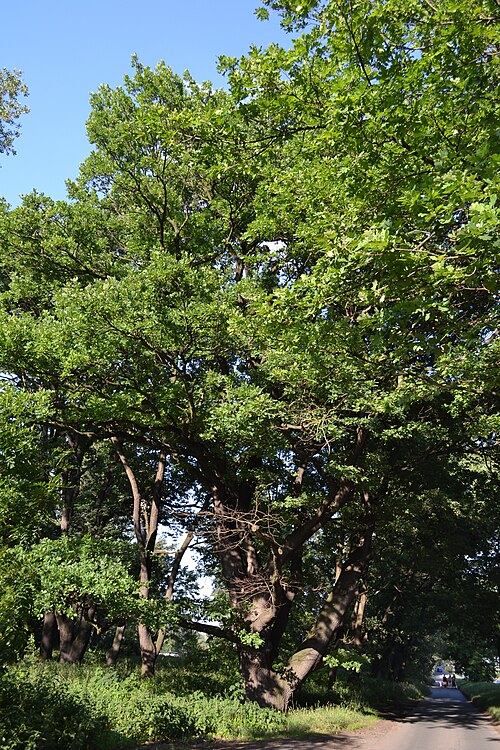
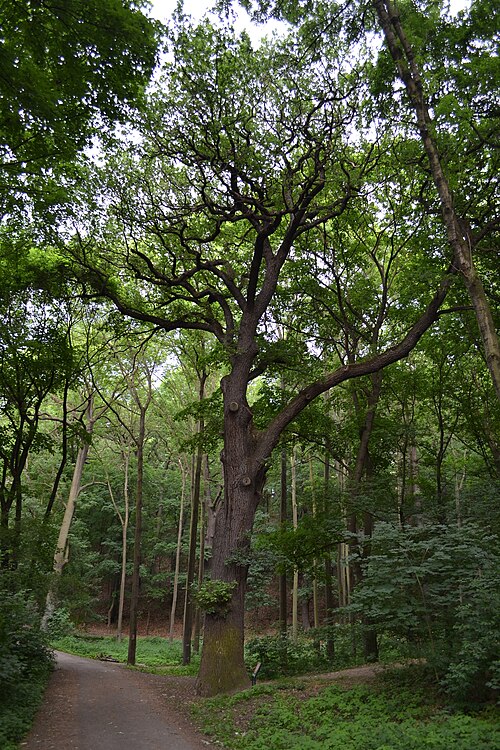
Pedunculate Oak (Quercus robur) and Scots Pine (Pinus sylvestris), grown together as one fused pair · disputed, roughly 100-200 years · Dubrava forest, Samylai (Kaunas district)
September to October: acorns drop, and a good mast year buries the ground in them.
Read more and get directions →
Kaunas →
Photo: Albarubescens (CC BY-SA 4.0)
Horse Chestnut (Aesculus hippocastanum) · 100+ years, undocumented · Capitoline Hill
Late September, when the conkers start dropping onto the ramp.
Read more and get directions →
Rome →
Cedar of Lebanon (Cedrus libani) · roughly 100-180 years (girth-based estimate, consistent with the park's mid-19th-century creation, no dated source for this individual) · Pegli
September to November: upright barrel cones that sit on the branches like eggs.
Read more and get directions →
Genoa →
Photo: Paulo V. Araujo, Dias com Arvores
Horse Chestnut (Aesculus hippocastanum) · unknown, mature (100+ years by girth) · Lordelo do Ouro e Massarelos
September and October, when the conkers ripen and drop onto the lawn.
Read more and get directions →
Porto →
Olive (Olea europaea) · unknown, the register recorded no figure at its 2021 measurement · Centro Historico
September to November: the harvest, when the fruit turns from green to black.
Read more and get directions →
Guimaraes →
Pedunculate Oak (Quercus robur) · roughly 100 to 200 years, judged from a trunk 2.8 m round · Geidorf (Panoramagasse, Ruckerlberg hillside)
September to October: acorns drop, and a good mast year buries the ground in them.
Read more and get directions →
Graz →
Pedunculate Oak (Quercus robur) · roughly 100 to 200 years, judged from a trunk 2.63 m round · Piasek, west of the Old Town
September to October: acorns drop, and a good mast year buries the ground in them.
Read more and get directions →
Krakow →
Pedunculate Oak (Quercus robur) · over 100 years · Parco delle Cascine
September to October: acorns drop, and a good mast year buries the ground in them.
Read more and get directions →
Florence →
Sycamore (Acer pseudoplatanus) · not documented · Nørrebro
September to October: winged seeds that spin down in pairs.
Read more and get directions →
Copenhagen →
European Yew (Taxus baccata) · not documented, described as genuinely old · Kleverpark
September to November: red arils on female trees, the only part that is not poisonous.
Read more and get directions →
Haarlem →
Pedunculate Oak (Quercus robur) · roughly 100 to 110 years, from the register's planting band of 1920 to 1930 · Gijzenrooi
September to October: acorns drop, and a good mast year buries the ground in them.
Read more and get directions →
Eindhoven →
Horse Chestnut (Aesculus hippocastanum) · roughly 95 to 105 years, from the register's planting band of 1920 to 1930 · Kasteelplein
September, when the conkers split out of their cases.
Read more and get directions →
Helmond →
Pedunculate Oak (Quercus robur) · roughly 100 years · Villapark / Doctor Berlagelaan area
September to October: acorns drop, and a good mast year buries the ground in them.
Read more and get directions →
Eindhoven →
Sycamore (Acer pseudoplatanus) · roughly 100 years, from a registered planting date around 1930
September to October: winged seeds that spin down in pairs.
Read more and get directions →
Oss →
European Yew (Taxus baccata) · ~99 years · Centrum
September to November: red arils on female trees, the only part that is not poisonous.
Read more and get directions →
Rotterdam →
Pedunculate Oak (Quercus robur) · 93 years (planted 24 April 1933) · Parkenbuurt
September to October: acorns drop, and a good mast year buries the ground in them.
Read more and get directions →
Apeldoorn →
Pedunculate Oak (Quercus robur) · about 94 years · Haagse Hout
Acorns drop, and a good mast year buries the ground in them.
Read more and get directions →
The Hague →
Turkish Hazel (Corylus colurna) · undocumented, likely 19th-century planting · Cișmigiu
September into October, when the nuts ripen and split open.
Read more and get directions →
Bucharest →
Pedunculate Oak (Quercus robur) · 89 years, planted 12 May 1937 · Fort York / CNE grounds
September to October: acorns drop, and a good mast year buries the ground in them.
Read more and get directions →
Toronto →
Cedar of Lebanon (Cedrus libani) · about 95 years · Joriskwartier, Stratum
September to November: upright barrel cones that sit on the branches like eggs.
Read more and get directions →
Eindhoven →
Pedunculate Oak (Quercus robur) · about 90 years · Mount Pleasant (Vancouver City Hall grounds, southwest corner)
September to October: acorns drop, and a good mast year buries the ground in them.
Read more and get directions →
Vancouver →
European Yew (Taxus baccata) · not documented · Hietzing, 13th district
Red arils on female trees, the only part that is not poisonous.
Read more and get directions →
Vienna →
Black Walnut (Juglans nigra) · 100+ years (undocumented) · Grad (Old Town)
Late September into October, when the walnuts ripen and drop.
Read more and get directions →
Split →
Sycamore (Acer pseudoplatanus) · unknown, mature · Cramond
September to October: winged seeds that spin down in pairs.
Read more and get directions →
Edinburgh →
European Yew (Taxus baccata) · undated, mature · Veronetta
September to November: red arils on female trees, the only part that is not poisonous.
Read more and get directions →
Verona →
Horse Chestnut (Aesculus hippocastanum) · 78 years · Altrade
September and October, when the conkers ripen and fall.
Read more and get directions →
Nijmegen →
Photo: Marek Olbrzymek (CC BY-SA 4.0)
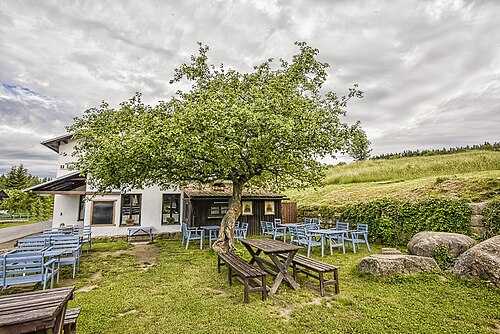
Apple (Malus domestica 'Blenheim Orange') · about 80 years · Machovska Lhota, near the Polish border
Late September and October, when the Blenheim Rennet apples ripen.
Read more and get directions →
Machov →
Photo: N Chadwick, via Geograph/Wikimedia Commons (CC BY-SA 2.0)
Apple (Malus domestica) · 72 years · City centre
September, when the historic 'Flower of Kent' apples ripen.
Read more and get directions →
Cambridge →
Photo: Jean-Pol GRANDMONT (CC BY-SA 3.0)
Pedunculate Oak (Quercus robur) · about 70 years · Herchies (Jurbise)
September to October: acorns drop, and a good mast year buries the ground in them.
Read more and get directions →
Herchies →
Pedunculate Oak (Quercus robur) · roughly 50 to 125 years, judged from a trunk 1.66 m round · Mont des Arts
September and October, when the acorns drop and a good mast year buries the ground in them.
Read more and get directions →
Brussels →
Pedunculate Oak (Quercus robur) · roughly 45-50 years · Old Town / Vilnius University
September to October: acorns drop, and a good mast year buries the ground in them.
Read more and get directions →
Vilnius →
Sea Buckthorn (Hippophae rhamnoides) · unknown · Eira
Late September, when the berries turn bright orange.
Read more and get directions →
Helsinki →
Cedar of Lebanon (Cedrus libani) · not documented · Central Park, Manhattan
September to November, when upright cones sit on the branches like rows of eggs.
Read more and get directions →
New York →
Cedar of Lebanon (Cedrus libani) · planted January 2008 · San Lazzaro degli Armeni
September to November: upright barrel cones that sit on the branches like eggs.
Read more and get directions →
Venice →
Pedunculate Oak (Quercus robur) · several centuries · Rogalin, Greater Poland Voivodeship (Rogalin Landscape Park)
September to October: acorns drop, and a good mast year buries the ground in them.
Read more and get directions →
Rogalin →
Pedunculate Oak (Quercus robur) · about 300 years · Plauginiai forest, Dubysa Regional Park
September to October: acorns drop, and a good mast year buries the ground in them.
Read more and get directions →
Plauginiai Forest →
Pedunculate Oak (Quercus robur) · not documented; comparably-sized Lithuanian oaks run several centuries old · Pagramantis Regional Park
September to October: acorns drop, and a good mast year buries the ground in them.
Read more and get directions →
Pagramantis Regional Park →
Pedunculate Oak (Quercus robur) · not documented · Netoniai, near Raudondvaris, Kaunas District
September to October: acorns drop, and a good mast year buries the ground in them.
Read more and get directions →
Kaunas →
Photo: Vilensija (CC BY-SA 3.0)
Pedunculate Oak (Quercus robur) · not scientifically dated; local sources say around 1000 years · Dieveniškės Historical Regional Park
September to October: acorns drop, and a good mast year buries the ground in them.
Read more and get directions →
Grybiskes →
Pedunculate Oak (Quercus robur) · not documented · Plunge Manor Park, Plunge
September to October: acorns drop, and a good mast year buries the ground in them.
Read more and get directions →
Plunge →
Pedunculate Oak (Quercus robur) · not documented · Būdininkai village, Balbieriškis Forest, Prienai district
September to October: acorns drop, and a good mast year buries the ground in them.
Read more and get directions →
Degsne →
Pedunculate Oak (Quercus robur) · not documented · Plunge Manor Park, Plunge
September to October: acorns drop, and a good mast year buries the ground in them.
Read more and get directions →
Plunge →
Pedunculate Oak (Quercus robur) · not documented · Zalgiriai, Silute seniunija, Silute district, Nemunas Delta Regional Park
September to October: acorns drop, and a good mast year buries the ground in them.
Read more and get directions →
Žalgiriai →
Cedar of Lebanon (Cedrus libani) · Acquasanta (Voltri)
September to November: upright barrel cones that sit on the branches like eggs.
Read more and get directions →
Genoa →
Photo: Jynjyn (CC BY-SA 4.0)
European Yew (Taxus baccata) · centuries old · Historic centre, near Porta Santa Chiara / Porta Nuova
September to November: red arils on female trees, the only part that is not poisonous.
Read more and get directions →
Assisi →
Pedunculate Oak (Quercus robur) · not documented · Plunge Manor Park, Plunge
September to October: acorns drop, and a good mast year buries the ground in them.
Read more and get directions →
Plunge →
Photo: Vilensija (CC BY-SA 3.0)
Pedunculate Oak (Quercus robur) · not documented · Pagramantis Regional Park
September to October: acorns drop, and a good mast year buries the ground in them.
Read more and get directions →
Pagramantis Regional Park →
Photo: Peter Doležal (CC BY-SA 4.0)
Pedunculate Oak (Quercus robur) · not documented · Staré Dobrkovice, on the Kájov road out of Český Krumlov
September to October: acorns drop, and a good mast year buries the ground in them.
Read more and get directions →
Cesky Krumlov →
Pedunculate Oak (Quercus robur) · not documented · Lomnica, Wlodawa county, Lubelskie voivodeship
September to October: acorns drop, and a good mast year buries the ground in them.
Read more and get directions →
Poleski National Park →
Photo: Fry72 (CC BY-SA 4.0)
Pedunculate Oak (Quercus robur) · not documented · Brzoza, Gmina Wielka Nieszawka, near Toruń
September to October: acorns drop, and a good mast year buries the ground in them.
Read more and get directions →
Brzoza →
Black Walnut (Juglans nigra) · not documented · Podgorze
Late September into October, when the green husks come down and stain everything they touch.
Read more and get directions →
Krakow →
European Yew (Taxus baccata) · Hallstatt village centre, lakeshore
September to November: red arils on female trees, the only part that is not poisonous.
Read more and get directions →
Hallstatt →
European Yew (Taxus baccata) · Untersee (a lakeshore hamlet of Bad Goisern, between Hallstatt and Bad Goisern)
September to November: red arils on female trees, the only part that is not poisonous.
Read more and get directions →
Hallstatt →
Sycamore (Acer pseudoplatanus) · not documented · Podgorze
September to October: winged seeds that spin down in pairs.
Read more and get directions →
Krakow →
Photo: Panek (CC BY-SA 3.0 pl)
Pedunculate Oak (Quercus robur) · not documented · Ochota
September to October: acorns drop, and a good mast year buries the ground in them.
Read more and get directions →
Warsaw →
European Yew (Taxus baccata) · Lehen, on the Boblberg circuit
September to November: red arils on female trees, the only part that is not poisonous.
Read more and get directions →
Gutau →
Sycamore (Acer pseudoplatanus) · planting date never recorded · Montjuic, Sants-Montjuic
Winged seeds that spin down in pairs.
Read more and get directions →
Barcelona →
Pedunculate Oak (Quercus robur) · Nowe Miasto, Zielona Góra
September to October: acorns drop, and a good mast year buries the ground in them.
Read more and get directions →
Sulechów →
Photo: Kenneth C. Zirkel (CC BY 4.0)
Apple (Malus domestica) · not documented · MIT campus, Cambridge (day-trip distance from central Boston, ~2.9km)
September and October, when the apples ripen and drop.
Read more and get directions →
Boston →
Pedunculate Oak (Quercus robur) and Ginkgo (Ginkgo biloba) · west of the Planty ring
September to October: acorns drop, and a good mast year buries the ground in them.
Read more and get directions →
Krakow →
Cedar of Lebanon (Cedrus libani) · Centro Storico
September to November: upright barrel cones that sit on the branches like eggs.
Read more and get directions →
Perugia →
Cedar of Lebanon (Cedrus libani) · Point du Jour, Lyon 5th arrondissement
Autumn, when upright barrel cones sit on the branches like eggs.
Read more and get directions →
Lyon →
Horse Chestnut (Aesculus hippocastanum) · Au-Haidhausen
September and October, when the conkers ripen and drop along the pavement.
Read more and get directions →
Munich →
Pedunculate Oak (Quercus robur) · Szczytniki
September to October: acorns drop, and a good mast year buries the ground in them.
Read more and get directions →
Wroclaw →
Photo: Panek (CC BY-SA 4.0)
Pedunculate Oak (Quercus robur) · Żoliborz
September to October: acorns drop, and a good mast year buries the ground in them.
Read more and get directions →
Warsaw →
Photo: GilPe (CC BY-SA 3.0)
Pedunculate Oak (Quercus robur) · Ville-Haute
September to October: acorns drop, and a good mast year buries the ground in them.
Read more and get directions →
Luxembourg City →
Pedunculate Oak (Quercus robur) · not documented · Rollingergrund
September to October: acorns drop, and a good mast year buries the ground in them.
Read more and get directions →
Luxembourg City →
Pedunculate Oak (Quercus robur) · Ultzama
September to October: acorns drop, and a good mast year buries the ground in them.
Read more and get directions →
Pamplona →
Pedunculate Oak (Quercus robur) · Morzg
September and October, when the acorns that once fattened the farm pigs come down.
Read more and get directions →
Salzburg →
Pedunculate Oak (Quercus robur) · not documented · Landstraße, 3rd district
Acorns drop, and a good mast year buries the ground in them.
Read more and get directions →
Vienna →
Photo: Edlerin (CC BY-SA 3.0)
Pedunculate Oak (Quercus robur) · Leipzig
September to October: acorns drop, and a good mast year buries the ground in them.
Read more and get directions →
Leipzig →
Pedunculate Oak (Quercus robur) · Pasing-Obermenzing
September to October: acorns drop, and a good mast year buries the ground in them.
Read more and get directions →
Munich →
Pedunculate Oak (Quercus robur) · Mokotow (Park Morskie Oko)
September to October: acorns drop, and a good mast year buries the ground in them.
Read more and get directions →
Warsaw →
Photo: Microble (CC BY-SA 3.0 at)
Pedunculate Oak (Quercus robur) · Riedenburg
September to October: acorns drop, and a good mast year buries the ground in them.
Read more and get directions →
Salzburg →
Photo: Stephan van Helden (CC BY-SA 4.0)
Pedunculate Oak (Quercus robur) · Wildensorg
September to October: acorns drop, and a good mast year buries the ground in them.
Read more and get directions →
Bamberg →
Pedunculate Oak (Quercus robur) · Basaburua
September to October: acorns drop, and a good mast year buries the ground in them.
Read more and get directions →
Pamplona →
Olive (Olea europaea) · not documented · Campus San Francisco
September to November: the harvest, when the fruit turns from green to black.
Read more and get directions →
Zaragoza →
Pedunculate Oak (Quercus robur) · not documented · Villeurbanne (Les Poulettes, adjoining Gratte-Ciel), roughly 1.4 km east of Parc de la Tete d'Or
September to October: acorns drop, and a good mast year buries the ground in them.
Read more and get directions →
Lyon →
Photo: Siliesiac (CC BY-SA 3.0)
Pedunculate Oak (Quercus robur) · Dabie, near Park Szczytnicki and the Wroclaw Zoo
September to October: acorns drop, and a good mast year buries the ground in them.
Read more and get directions →
Wroclaw →
Pedunculate Oak (Quercus robur) · Schlosspark Glienicke, Berlin side of the Glienicke Bridge
September to October: acorns drop, and a good mast year buries the ground in them.
Read more and get directions →
Potsdam →
Pedunculate Oak (Quercus robur) · not documented · Mokotow (Stary Mokotow)
September to October: acorns drop, and a good mast year buries the ground in them.
Read more and get directions →
Warsaw →
Pedunculate Oak (Quercus robur) · Jardin des Plantes / Capitole
September to October: acorns drop, and a good mast year buries the ground in them.
Read more and get directions →
Toulouse →
Pedunculate Oak (Quercus robur) · over 200 years · Morzg
September to October: acorns drop, and a good mast year buries the ground in them.
Read more and get directions →
Salzburg →
Sycamore (Acer pseudoplatanus) · Maxvorstadt
September to October: winged seeds that spin down in pairs.
Read more and get directions →
Munich →
Sycamore (Acer pseudoplatanus) · not documented · Hollerich
September to October: winged seeds that spin down in pairs.
Read more and get directions →
Luxembourg City →
Sycamore (Acer pseudoplatanus) · not documented · Pfaffenthal
September to October: winged seeds that spin down in pairs.
Read more and get directions →
Luxembourg City →
Pedunculate Oak (Quercus robur) · not documented · Mokotow (Park Morskie Oko)
September to October: acorns drop, and a good mast year buries the ground in them.
Read more and get directions →
Warsaw →
Photo: Gerdsch (CC BY-SA 3.0 at)
Pedunculate Oak (Quercus robur) · Lend (Volksgarten park)
September to October: acorns drop, and a good mast year buries the ground in them.
Read more and get directions →
Graz →
European Yew (Taxus baccata) · Laim
September to November: red arils on female trees, the only part that is not poisonous.
Read more and get directions →
Munich →
European Yew (Taxus baccata) · Beek, Berg en Dal
September to November: red arils on female trees, the only part that is not poisonous.
Read more and get directions →
Nijmegen →
Pedunculate Oak (Quercus robur) · planted 2017, a genetic clone of the fallen original · Trainiškis, within Aukštaitijos nacionalinis parkas (Aukštaitija National Park)
September to October: acorns drop, and a good mast year buries the ground in them.
Read more and get directions →
Trainiškis →
October (88) Olive (Olea europaea) · roughly 2,850 years · Bairro da Covina, Pirescoxe (Santa Iria de Azoia, Loures)
October and November, during the olive harvest.
Read more and get directions →
Lisbon →
Sweet Chestnut (Castanea sativa) · roughly 2,200 years · Sant'Alfio, eastern slope of Mount Etna
October, when the spiny burrs split and the chestnuts come down.
Read more and get directions →
Sant'Alfio →
Photo: Paul Hermans (CC BY-SA 3.0)
European Yew (Taxus baccata) · estimates range from roughly 2,000 to 5,000 years · Fortingall village churchyard
October to December: red arils on female trees, the only part that is not poisonous.
Read more and get directions →
Fortingall →
Photo: AusTitz (CC BY-SA 4.0)
Sweet Chestnut (Castanea sativa) · roughly 1,800 years · Carpineto, Mascali, eastern slope of Mount Etna
October, when the chestnuts come down.
Read more and get directions →
Sant'Alfio →
Pedunculate Oak (Quercus robur) · roughly 1,000 years · Kvill nature reserve, Rumskulla parish
October to November: acorns drop, and a good mast year buries the ground in them.
Read more and get directions →
Rumskulla →
Photo: François de Dijon (CC BY-SA 4.0)
Sweet Chestnut (Castanea sativa) · 800 to 1200 years (local tradition holds it was planted in 756 AD) · Éraudière, Nantes Erdre
October, when it drops chestnuts, which it still does every year.
Read more and get directions →
Nantes →
Pedunculate Oak (Quercus robur) · 800 to 900 years · Trollskogen, Boda, Borgholm municipality, Oland
October to November: acorns drop, and a good mast year buries the ground in them.
Read more and get directions →
Trollskogen →
Pedunculate Oak (Quercus robur) · around 800 years · Kristineberg, Kungsholmen
October to November: acorns drop, and a good mast year buries the ground in them.
Read more and get directions →
Stockholm →
Photo: Edoardo Berionni Berna (CC BY-SA 4.0)
Olive (Olea europaea) · disputed: roughly 700 to 2,000 years · Casale Bertini, Canneto Sabino
October to December: the harvest, when the fruit turns from green to black.
Read more and get directions →
Fara in Sabina →
Photo: George E. Koronaios (CC BY-SA 4.0)
Olive (Olea europaea) · up to 1,500 years (Agricultural University of Athens assessment) · Opposite Evangelismos Hospital, near the Hilton
The harvest, when the fruit turns from green to black.
Read more and get directions →
Athens →
Photo: Holger.Ellgaard (CC BY-SA 4.0)
Pedunculate Oak (Quercus robur) · roughly 800 years · Danderyd
October to November: acorns drop, and a good mast year buries the ground in them.
Read more and get directions →
Stockholm →
Sweet Chestnut (Castanea sativa) · 600 years · Ashton Court
October, when the spiny husks split and the nuts fall.
Read more and get directions →
Bristol →
Pedunculate Oak (Quercus robur) · 500-600 years · Montebello
October to November: acorns drop, and a good mast year buries the ground in them.
Read more and get directions →
Oslo →
Sweet Chestnut (Castanea sativa) · about 500 years · Časta, Pezinok District
October, when the burrs split and the chestnuts drop into the vineyard grass.
Read more and get directions →
Časta →
Photo: Vampiregrave (CC BY-SA 4.0)
Olive (Olea europaea) · 457 years · Alcântara
The harvest, when the fruit turns from green to black.
Read more and get directions →
Lisbon →
Photo: Holger.Ellgaard (CC BY-SA 4.0)
Pedunculate Oak (Quercus robur) · roughly 500 years · Ekerö
October to November: acorns drop, and a good mast year buries the ground in them.
Read more and get directions →
Ekerö →
Photo: Holger.Ellgaard (CC BY-SA 3.0)
Pedunculate Oak (Quercus robur) · over 400 years · Norra Djurgarden
October to November: acorns drop, and a good mast year buries the ground in them.
Read more and get directions →
Stockholm →
Pedunculate Oak (Quercus robur) · roughly 340 years, if the register is right that it went in with the palace avenues between 1685 and 1690 · Het Loo
October, when the acorns come down.
Read more and get directions →
Apeldoorn →
Photo: Holger.Ellgaard (CC BY-SA 3.0)
Pedunculate Oak (Quercus robur) · 300-400 years · Sodra Djurgarden
October to November: acorns drop, and a good mast year buries the ground in them.
Read more and get directions →
Stockholm →
Photo: MPhernambucq (CC BY-SA 3.0)
Sweet Chestnut (Castanea sativa) · 300 to 400 years, and by some accounts 450 · Beek, Berg en Dal
October: chestnuts in spiny burs, ripe and gatherable in October.
Read more and get directions →
Nijmegen →
Pedunculate Oak (Quercus robur) · roughly 300 to 400 years · Kadriorg
October to November: acorns drop, and a good mast year buries the ground in them.
Read more and get directions →
Tallinn →
Pedunculate Oak (Quercus robur) · 300 to 400 years · Lohjansaari
October to November: acorns drop, and a good mast year buries the ground in them.
Read more and get directions →
Lohja →
Pedunculate Oak (Quercus robur) · roughly 300 to 500 years · Orgryte
October to November: acorns drop, and a good mast year buries the ground in them.
Read more and get directions →
Gothenburg →
Pedunculate Oak (Quercus robur) · roughly 300 to 500 years · Orgryte
October to November: acorns drop, and a good mast year buries the ground in them.
Read more and get directions →
Gothenburg →
Photo: ELENITSA1976 (CC BY-SA 4.0)
Olive (Olea europaea) · 300-2,500 years (disputed) · Agioi Anargyroi, western Athens
The harvest, when the fruit turns from green to black.
Read more and get directions →
Athens →
Pedunculate Oak (Quercus robur) · roughly 300 to 500 years · Orgryte
October to November: acorns drop, and a good mast year buries the ground in them.
Read more and get directions →
Gothenburg →
Pedunculate Oak (Quercus robur) · roughly 330 years · Berģi, eastern Riga
October to November: acorns drop, and a good mast year buries the ground in them.
Read more and get directions →
Riga →
Ginkgo (Ginkgo biloba) · roughly 320 years · Osawa, Ichinohe
Autumn, when the seed clusters ripen on a tree that should not be bearing any.
Read more and get directions →
Ichinohe →
Pedunculate Oak (Quercus robur) · about 275 years (grown from a seed around 1750) · Sibelius Museum / Aura riverbank
October to November: acorns drop, and a good mast year buries the ground in them.
Read more and get directions →
Turku →
Pedunculate Oak (Quercus robur) · roughly 300 years · Ziepniekkalns, Pārdaugava
October to November: acorns drop, and a good mast year buries the ground in them.
Read more and get directions →
Riga →
Photo: Hirho (CC BY-SA 4.0)
Ginkgo (Ginkgo biloba) · over 300 years · Hakata
5 October, when priests shake the nuts down with bamboo poles.
Read more and get directions →
Fukuoka →
Pedunculate Oak (Quercus robur) · 250-400 years · Tali, Pitäjänmäki
October to November: acorns drop, and a good mast year buries the ground in them.
Read more and get directions →
Helsinki →
Sweet Chestnut (Castanea sativa) · roughly 280 years (derived from girth) · Calderstones Park, Allerton
October, when the spiny burrs open and the chestnuts land in the grass.
Read more and get directions →
Liverpool →
Pedunculate Oak (Quercus robur) · roughly 225 to 275 years, from the register's planting band of 1750 to 1800 · Lasonder-Zeggelt
October, when the acorns are down.
Read more and get directions →
Enschede →
Pedunculate Oak (Quercus robur) · roughly 225 to 275 years, from the register's planting band of 1750 to 1800 · Hertekop
October, when the acorns drop into the verge.
Read more and get directions →
Amersfoort →
Sweet Chestnut (Castanea sativa) · disputed, likely 250-275 years · Amby
October, when the spiny husks split and the nuts fall.
Read more and get directions →
Maastricht →
Service Tree (Sorbus domestica) · about 250 years · Uzovská Panica, Rimavská Sobota District
Mid-October, when the pear-shaped fruit ripens pinkish-yellow.
Read more and get directions →
Uzovská Panica →
Pedunculate Oak (Quercus robur) · 230-250 years · Kuninkaantammi, Kaarela
October to November: acorns drop, and a good mast year buries the ground in them.
Read more and get directions →
Helsinki →
Sweet Chestnut (Castanea sativa) · roughly 205 to 215 years, from the register's planting band of 1810 to 1820 · Tegelen
October, when the spiny husks split open on the ground.
Read more and get directions →
Venlo →
Pedunculate Oak (Quercus robur) · roughly 205 to 215 years, from the register's planting band of 1810 to 1820 · Schalkhaar
October, when the acorns are down.
Read more and get directions →
Deventer →
Pedunculate Oak (Quercus robur) · roughly 205 to 215 years, from the register's planting band of 1810 to 1820 · Centrum
October, when the acorns come down.
Read more and get directions →
Emmen →
Sweet Chestnut (Castanea sativa) · roughly 200 to 400 years, judged from a trunk 5.5 m round · Sardagna (across the Adige, reached by cable car)
October, when the burs split open and the chestnuts are there to gather.
Read more and get directions →
Trento →
Photo: Pere Lopez Brosa (pere prlpz) (CC BY-SA 3.0)
Olive (Olea europaea) · city register says 1771, about 255 years; not independently dated · Park Guell, Gracia
The harvest, when the fruit turns from green to black.
Read more and get directions →
Barcelona →
Pedunculate Oak (Quercus robur) · roughly 205 years, from the park's documented replanting of 1822 · De Worp
October, when the acorns come down across the park.
Read more and get directions →
Deventer →
Photo: Édouard Hue (CC BY-SA 3.0)
Olive (Olea europaea) · undated, some individually estimated over 400 years · Cimiez
The harvest, when the fruit turns from green to black.
Read more and get directions →
Nice →
Pedunculate Oak (Quercus robur) · roughly 195 to 205 years, from the register's planting band of 1820 to 1830 · Brouwhuis
October, when the acorns come down.
Read more and get directions →
Helmond →
Pedunculate Oak (Quercus robur) · roughly 190 years, from a registered planting date around 1840
October, when the acorns come down onto Beilerstraat.
Read more and get directions →
Assen →
Pedunculate Oak (Quercus robur) · roughly 180 years, from a registered planting date around 1850
October, when the acorns come down by the water.
Read more and get directions →
Assen →
Pedunculate Oak (Quercus robur) · roughly 170 to 180 years, from the register's planting band of 1850 to 1860 · Strijp
October, when the acorns come down along the avenue.
Read more and get directions →
Eindhoven →
Pedunculate Oak (Quercus robur) · roughly 165 to 175 years, from the register's planting band of 1850 to 1860 · Hoge Veluwe
October, when the acorns come down and the boar arrive for them.
Read more and get directions →
Ede →
Sweet Chestnut (Castanea sativa) · roughly 170 years · Sonsbeek
October, when the spiny burrs split and drop two or three brown nuts each.
Read more and get directions →
Arnhem →
Photo: さかおり (CC BY-SA 4.0)
Ohatsuki Ginkgo (Ginkgo biloba var. epiphylla) · roughly 195 years · Samegai, Maibara
October and November, when the ripe seeds sit on the edges of the leaves themselves.
Read more and get directions →
Maibara →
Sweet Chestnut (Castanea sativa) · roughly 165 to 175 years by the register, and possibly more: a passer-by's account puts it before 1870 · Vrijbroek
October, when the nuts drop.
Read more and get directions →
Venlo →
Pedunculate Oak (Quercus robur) · roughly 155 to 165 years, from the register's planting band of 1860 to 1870 · Kranenburg
October, when the acorns cover the ground.
Read more and get directions →
Zwolle →
Pedunculate Oak (Quercus robur) · not documented · Skåde / Højbjerg
October to November: acorns drop, and a good mast year buries the ground in them.
Read more and get directions →
Aarhus →
Chinese Soapberry (Sapindus mukorossi) · not recorded · Nara Park
October and November, when the translucent amber fruit ripens.
Read more and get directions →
Nara →
Pedunculate Oak (Quercus robur) · roughly 150 years, from a registered planting date around 1880
October, when the acorns come down across the park.
Read more and get directions →
Assen →
Sweet Chestnut (Castanea sativa) · ~140 years · Altrade
October: chestnuts in spiny burs, ripe and gatherable in October.
Read more and get directions →
Nijmegen →
Photo: Rudolphous (CC BY-SA 4.0)
Pedunculate Oak (Quercus robur) · roughly 135 to 145 years, from the register's planting band of 1880 to 1890 · Emmerdennen
October, when acorns collect between the stones.
Read more and get directions →
Emmen →
Pedunculate Oak (Quercus robur) · roughly 135 to 145 years, from the register's planting band of 1880 to 1890 · Kasteelplein
October, when the acorns come down across the grounds.
Read more and get directions →
Helmond →
Horse Chestnut (Aesculus hippocastanum) · roughly 130 years, from a registered planting date around 1900 · Amstelveen
October, when the conkers come down into the grass of the Speelweide.
Read more and get directions →
Amsterdam →
Pecan (Carya illinoinensis) · roughly 150 years, disputed · East Oak Cliff
October and November, when the pecans come down.
Read more and get directions →
Dallas →
Sweet Chestnut (Castanea sativa) · roughly 116 to 126 years, from the register's planting band of 1900 to 1910 · Leusderweg
October, when the spiny husks split and drop real, edible chestnuts.
Read more and get directions →
Amersfoort →
Kansas Hawthorn (Crataegus coccinioides) · about 114 years (planted 1912) · Prospect Heights, Brooklyn
October, when the leaves turn scarlet and the branches hang with dark crimson haws.
Read more and get directions →
New York →
Photo: Teresa Grau Ros (CC BY-SA 4.0)
Osage Orange (Maclura pomifera) · about 113 years · Sant Pere, Santa Caterina i la Ribera, Ciutat Vella
Late October into November, when fruit the size of grapefruit drops onto the path.
Read more and get directions →
Barcelona →
Sycamore (Acer pseudoplatanus) · ~108 years · City Center
October to November: winged seeds that spin down in pairs.
Read more and get directions →
Reykjavik →
Pedunculate Oak (Quercus robur) · about 110 years (planted 1916) · Viby J
October to November: acorns drop, and a good mast year buries the ground in them.
Read more and get directions →
Aarhus →
Peruvian Pepper (Schinus molle) · about 103 years · Sarria, Sarria-Sant Gervasi
October and November, when the peppercorn clusters turn dusty pink and hang heavy.
Read more and get directions →
Barcelona →
Olive (Olea europaea) · undated, described as old · Cimiez
The harvest, when the fruit turns from green to black.
Read more and get directions →
Nice →
Photo: Edgars Košovojs (CC BY-SA 4.0)
Pedunculate Oak (Quercus robur) · possibly around 140 years · Centrs
October to November: acorns drop, and a good mast year buries the ground in them.
Read more and get directions →
Riga →
Olive (Olea europaea) · century-old (undated more precisely) · San Servolo
October to December: the harvest, when the fruit turns from green to black.
Read more and get directions →
Venice →
Pineapple Guava (Acca sellowiana) · about 105 years · Santa Cruz, Casco Antiguo
October into November, when the fruit ripens and drops.
Read more and get directions →
Seville →
Peruvian Pepper (Schinus molle) · about 102 years · Sao Sebastiao
October and November, when the pink drupes hang in strings.
Read more and get directions →
Setubal →
Pedunculate Oak (Quercus robur) · roughly 85 to 95 years, from the register's planting band of 1930 to 1940 · Leijpark
October, when the acorns are down.
Read more and get directions →
Tilburg →
Sweet Chestnut (Castanea sativa) · about a century old (sources disagree on the decade) · Stadswandelpark, Stratum
October, when the spiny burrs split and the chestnuts come down.
Read more and get directions →
Eindhoven →
Photo: George E. Koronaios (CC BY-SA 2.0)
Olive (Olea europaea) · 70-110 years (current wood); mythologised lineage to 480 BC · Acropolis
The harvest, when the fruit turns from green to black.
Read more and get directions →
Athens →
Photo: Joseph Hubbard (CC BY)
Olive (Olea europaea) · roughly 70 years · Filopappou, Koukaki
The harvest, when the fruit turns from green to black.
Read more and get directions →
Athens →
Photo: Pilot Lauri Lokotar and CamKaido Kabral, Heiki Hanso (CC BY-SA 4.0)
Pedunculate Oak (Quercus robur) · 60 to 100 years · Kadriorg / Russalka
October to November: acorns drop, and a good mast year buries the ground in them.
Read more and get directions →
Tallinn →
Lavalle Hawthorn (Crataegus x lavallei) · about 60 years · Downtown
October and November, when all four trees hang with dark red haws.
Read more and get directions →
Portland →
Olive (Olea europaea) · under 50 years (regrowth) · Akadimia Platonos, Kolonos
The harvest, when the fruit turns from green to black.
Read more and get directions →
Athens →
Sweet Chestnut (Castanea sativa) · about 25 years (planted 2000) · Nijmegen-Oost
October, when the husks drop into the gravel ring.
Read more and get directions →
Nijmegen →
Sweet Chestnut (Castanea sativa) · Sant Miquel de Campmajor
October and November, when the nuts drop and the leaves go.
Read more and get directions →
Girona →
Sweet Chestnut (Castanea sativa) · veteran tree, exact age not documented · Bute Park
October, when the spiny burrs split and the chestnuts come down.
Read more and get directions →
Cardiff →
Strawberry Tree (Arbutus unedo) · Citta Alta
October to December: the fruit takes a full twelve months to ripen, so last year's crop turns scarlet on the same branches that are flowering now: white bells and red berries on one tree, which almost nothing else does.
Read more and get directions →
Bergamo →
Sweet Chestnut (Castanea sativa) · Arbutus Ridge
October, when the spiny burs split and the chestnuts come down.
Read more and get directions →
Vancouver →
Photo: さかおり (CC BY-SA 4.0)
Ohatsuki Ginkgo (Ginkgo biloba var. epiphylla) · not documented · Rikurodani, Takahama
October and November, when the seeds ripen along the leaf edges and the crowns turn gold.
Read more and get directions →
Takahama →
Pecan (Carya illinoinensis) · Sugar Land, Fort Bend County
October, when the nuts come down.
Read more and get directions →
Houston →
Strawberry Tree (Arbutus unedo)
October to December: the fruit takes a full twelve months to ripen, so last year's crop turns scarlet on the same branches that are flowering now: white bells and red berries on one tree, which almost nothing else does.
Read more and get directions →
Florence →
November (5) Cashew (Anacardium occidentale) · about 138 years · Pirangi do Norte
November and December, when the cashew apples ripen.
Read more and get directions →
Pirangi →
Strawberry Tree (Arbutus unedo) · over 100 years · Paseo del Prado
November and December, when it flowers and ripens last year's fruit at once.
Read more and get directions →
Madrid →
Japanese Persimmon (Diospyros kaki) · at least 81 years · Komachi
November and December, when the fruit hangs on after the leaves have gone.
Read more and get directions →
Hiroshima →
Brazilian Pepper (Schinus terebinthifolius) · about 83 years · Leste
Late autumn, when the clusters of pink peppercorns turn red.
Read more and get directions →
Setubal →
Strawberry Tree (Arbutus unedo) · Cruilles
November and December, when it carries white flowers and last year's red fruit together.
Read more and get directions →
Girona →
Explore by city: Brussels · Lisbon · Pamplona · Barcelona · Milan · Amsterdam · Oahu · Rome · Florence · Arnhem · Singapore · Palermo · Seville · Berlin · Tokyo · Brisbane · Valencia · Los Angeles · Prague · Alicante · Vienna · Paris · Malaga · London · New York · Philadelphia · Dublin · Krakow · Copenhagen · Boston · Vilnius · Utrecht · Porto · Haarlem · The Hague · Houston · Cork · Munich · Nijmegen · Kyoto · Bath · Geneva · Venice · Helmond · Sintra · Reykjavik · New Orleans · Granada · Fukuoka · Palma de Mallorca · Leiden · Leeuwarden · Cagliari · Cadiz · Edinburgh · San Francisco · Athens · Melbourne · Seattle · Dordrecht · Nice · Madrid · Chicago · Tilburg · Coimbra · Oslo · Osaka · Parma · Enschede · Eindhoven · Glasgow · Caserta · Budapest · Cordoba · Tallinn · Groningen · Warsaw · Istanbul · Cambridge · Bari · Seoul · Washington DC · Sydney · Segovia · Hobart · Leipzig · Potsdam · Amersfoort · Helsinki · Salzburg · Zurich · Bangkok · Padua · Sorrento · Zwolle · Ljubljana · Lyon · Hong Kong · Bristol · Verona · Turin · Girona · Beijing · Vancouver · Montreal · Sapporo · Apeldoorn · Genoa · Bologna · Alkmaar · Stockholm · Den Bosch · Maastricht · Naples · Split · Dresden · Taipei · Belgrade · Deventer · Quebec City · Catania · Dubrovnik · Toronto · Delft · Kamakura · Rio de Janeiro · Kanazawa · Guimaraes · Oxford · Braga · Mexico City · Breda · Rotterdam · Ferrara · Nagoya · Hiroshima · Lucca · Thessaloniki · Trieste · Venlo · York · Naha · Brno · Buenos Aires · Salamanca · Bucharest · Zaragoza · Gdansk · Ronda · Auckland · Kansas City · Setubal · Bilbao · Wroclaw · Sao Paulo · Tarragona · Assisi · Poznan · Sofia · Lima · Cesky Krumlov · Bamberg · Antwerp · Aachen · Allouville-Bellefosse · Athens, Georgia · Baarn · Bad Blumau · Bansko · Borculo · Brunswick, Georgia · Bucaco · Chadds Ford · Chapel Hill, North Carolina · Columbia, Missouri · Concoret · Coos Bay · Coppenbrügge · Craigends · Cremines · Curinga · Ede · Emmen · Erdmannrode · Fara in Sabina · Fish Lake, Utah · Fortingall · Fribourg · Fulufjället · Galenbeck · Giethoorn · Granit · Groton · Guerneville · Gutau · Hampton, Virginia · Harderwijk · Heinkenszand · Jægerspris Nordskov · Kagoshima · Lebec · Logan, Ohio · Martinsville, New Jersey · Miriam Vale · Miyazaki · Nara · Oklahoma City · Olympic National Park · Oostkapelle · Palo Alto · Pirangi · Ramsau am Dachstein · Santa María del Tule · Schlagsdorf · Sequoia National Park · Simsbury · Sliven · Stelmužė · Stratfield Saye · Sunderland, Massachusetts · Tillamook · Timber Creek · Vassununga · Villeneuve · Waipoua Forest · Zarzecze · Zehdenick · Aarhus · Aberford · Aga · Aguas de Moura · Aizuwakamatsu · Albersdorf · Alishan · Altrier · Amerongen · Amt Neuhaus · Aosta · Argoules · Arita · Asago · Assen · Atami · Aubers · Austin · Bad Staffelstein · Baldenhain · Baltimore · Bargischow · Belfast · Berga/Elster · Bergamo · Biei · Bilu · Bioul · Boetersheim · Bohunovice · Boise · Bojnice · Bonnerue · Bordeaux · Borrowdale · Bošáca · Bracon · Bratislava · Braziūkai · Breukelen · Brielow · Brighton · Bruges · Brzoza · Busan · Cabeza del Buey · Canberra · Cardiff · Časta · Cerro Veronese · Charleston · Chatenay-Malabry · Chiapa de Corzo · Chishang · Cielętniki · Cinovec · Collm · Cologne · Como · Cooper Creek · Crete · Cyprus · Dallas · Dębina · Degsne · Den Hout · Dengfeng · Derby · Doornenburg · Drnava · Dubinné · Effeltrich · Eichigt · Eisolzried · Ekerö · Estry · Feternes · Fleringen · Flinders Ranges · Fonte Colombo · Formentera · Fort Lauderdale · Fort Worth · Frankenthal · Frankfurt · Freiburg · Frydlant · Fujikawaguchiko · Ghent · Ghisonaccia · Giessen · Gjerrild · Glastonbury · Gliniak · Gojaus Miskas · Gonzales, Texas · Gornja Stubica · Gothenburg · Gottingen · Graz · Grybiskes · Gumeli · Haarlemmermeer · Hainich National Park · Hallstatt · Hamburg · Hawaii · Heede · Heerlen · Heidelberg · Henryków Lubański · Herchies · Higashiagatsuma · Higashimiyoshi · Higashine · Higashiomi · Hilo · Hilvarenbeek · Hilversum · Himi · Himmelsberg · Hino · Hinode · Hniszów · Hokuto · Hoorn · Horaiji · Horn-Lehe · Horni Bradlo · Hronsek · Ibiza · Ichinohe · Iga · Iheya · Iida · Indianapolis · Ito · Itoshiro · Iwaki · Iwata · Jachymov · Jalhay · Jauze · Jihlava · Kaga · Kanagi · Kasukabe · Kauai · Kaunas · Kawago · Kawatana · Kawazu · Kimotsuki · Kintai · Kitakata · Kitamoto · Königslutter am Elm · Komjatice · Kopčany · Koriyama · Kotel · Kozaki · Kremnica · Książ · Kybarciai · Laren, Gelderland · Las Vegas · Lausanne · Lazy · Le Precheur · Lecina · Les Clayes-sous-Bois · Leuven · Liernu · Limmersdorf · Linderhof · Lipany · Liškiava · Liverpool · Llangernyw · Łódź · Lohja · Luë · Lukavice · Luxembourg City · Machov · Macon · Macugnaga · Madeira · Maebashi · Magescq · Maibara · Malsfeld · Manchester · Matera · Matsumae · Maui · Mcely · Mendaza · Menorca · Miedzyzdroje · Miharu · Minami-Alps · Minamiaso · Minneapolis · Mito · Modena · Moffat · Monterey · Morioka · Motosu · Mrákotín · Msecke Zehrovice · Muxika · Myjava · Nagai · Nagano · Nagi · Nago · Nantes · Neba · Nedvedice · Neudrossenfeld · Neuenrade · Newtown · Nichinan, Tottori · Nicorps · Niedenstein · Nihonmatsu · Nikaho · Nishio · Novi Ligure · Nuenen · Numata · Nuremberg · Nyingchi · Odawara · Ofunato · Oguni · Okuizumo · Omishima · Ono · Ora · Oss · Otama · Otoyo · Ottawa · Ottendorf · Oyodo · Pagramantis Regional Park · Pajūris · Passo Manghen · Peesten · Pelham · Pemberton · Pérouges · Perth · Perugia · Perušić · Pesselieres · Pisa · Pisz Forest · Pittsburgh · Plauginiai Forest · Plunge · Polchow · Poleski National Park · Port Renfrew · Portalegre · Portland · Préty · Priekulė · Princeton, New Jersey · Prosec pod Jestedem · Przybudki · Radomsko · Rambynas · Ramsau bei Berchtesgaden · Rannée · Raudonė · Reaumont · Regensburg · Reinborn · Renavas · Reyersviller · Rhenen · Riga · Rimov · Robenhausen · Rogalin · Roosendaal · Rothenburg ob der Tauber · Rouen · Rudy · Rumskulla · Runnymede · 's-Gravenvoeren · Sachsenbrunn · Sakegawa · Sambeek · Samoëns · San Antonio · San Diego · San Quirico d'Orcia · Sant'Alfio · Sardinia · Savannah · Scheessel · Schenklengsfeld · Schlettau · Senica · Shimizu · Shingu · Shinkamigoto · Shiwa · Shokawa · Sittard-Geleen · Solingen · Spokane · Sremski Karlovci · Starý Smokovec · Stokaičiai · Stoutenburg · Strasbourg · Stuttgart · Sulechów · Suzuka · Taasinge · Takahagi · Takahama · Takayama · Takeo · Tamba · Tatobity · Teleci · Telgte · Tenerife · Toba · Toga · Tolpuddle · Tombeboeuf · Toul · Toulouse · Trainiškis · Trenčianske Stankovce · Trento · Tricase · Trollskogen · Tsuruoka · Tulsa · Turku · Uda · Ueda · Ueki · Unnan · Untermerzbach · Uzovská Panica · Vainiai · Veľké Borové · Velke Opatovice · Velp · Venon · Vír · Viroflay · Višňová · Volkenroda · Vorden · Vytogala · Waremme · Wessobrunn · Westerlo · Wilparting · Wiśniowa · Wolfheze · Wuppertal · Wye Mills, Maryland · Xhoris · Yabu · Yakushima · Yamanashi City · Yangpyeong · Yangshuo · Yoshida · Ypres · Yvignac-la-Tour · Zaanstad · Žalgiriai · Žilina · Zwieslerwaldhaus · Żywiec
✕ Keep your trees on every device An account keeps what you collect and save.
Continue in the app Continue with Google or
Continue with Apple Continue with email More options We store your email address and what you collect: the trees you save and the ones you photograph. By continuing you agree to the Terms and the Privacy notice.
Check your inbox We sent a sign-in link to