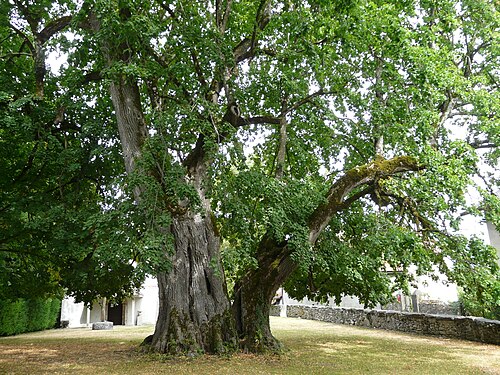
Home › Collections › The Oldest Trees We Have Mapped The Oldest Trees We Have Mapped Four hundred years is a useful threshold. Older than that and a tree predates nearly everything around it: the streets, the houses, usually the city's entire modern shape. This page ranks every tree we have mapped that clears it, oldest first, and it re-ranks itself the moment we add an older one. One rule keeps it honest, and it costs us entries: a tree qualifies on the LOW end of its estimate, so a tree recorded as one hundred to five hundred years old is not here, however tempting the upper number looks. Where the age is a range, the range is what you see, because that is what the sources say. Start at the top with olives that were already ancient when Rome was a village, and work down to oaks that were merely standing when the printing press arrived.
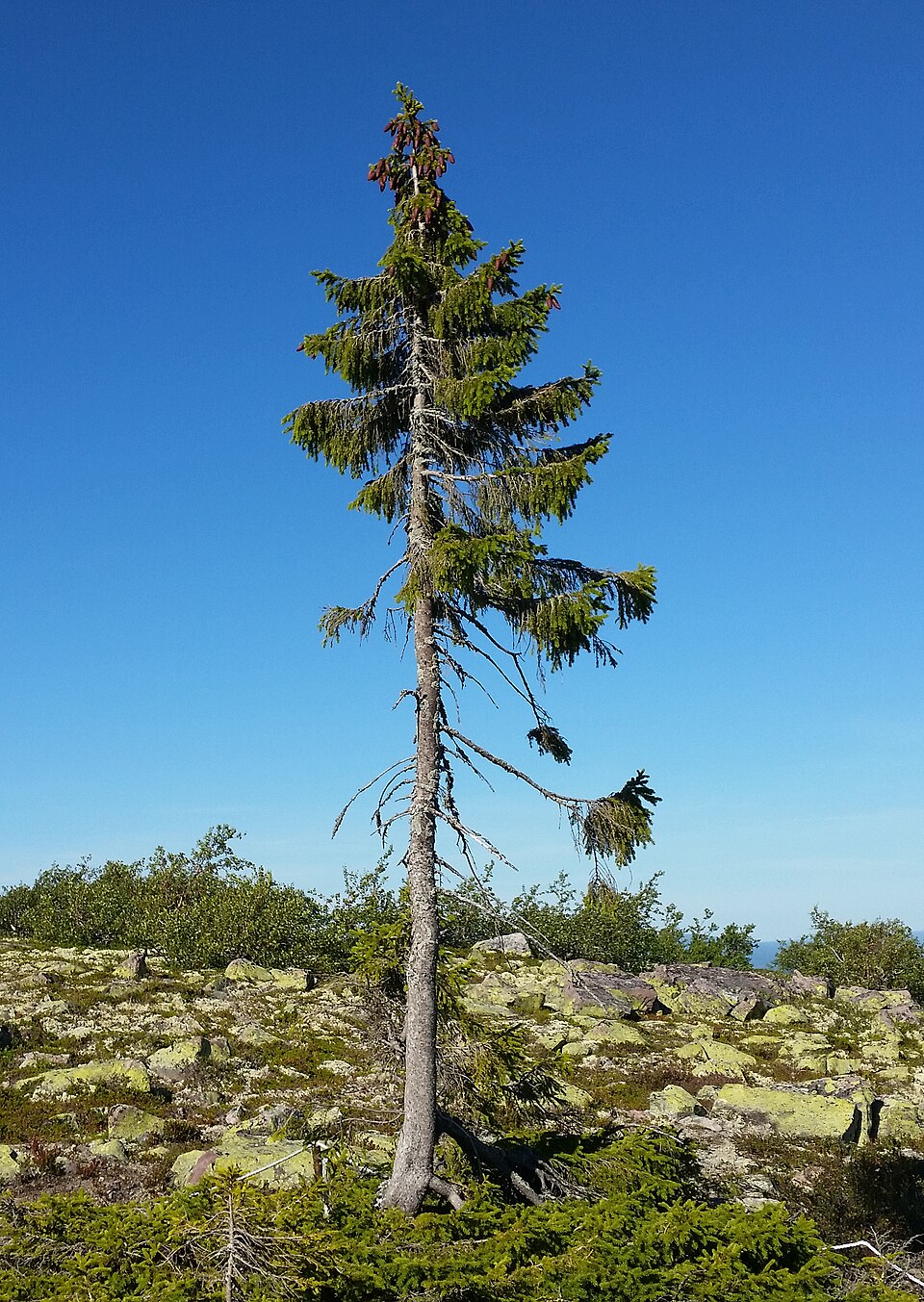
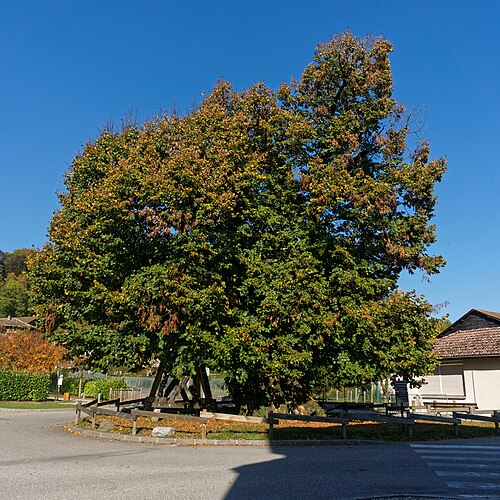
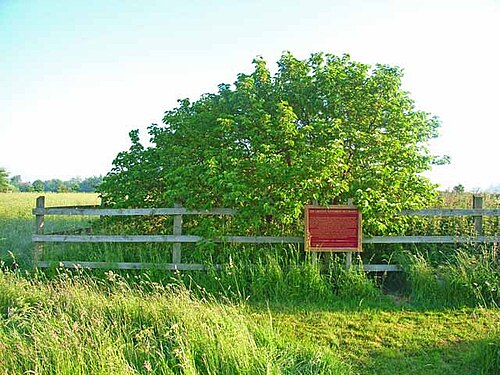
Over a thousand years (89) Save Norway Spruce (Picea abies ) · Fulufjället mountain plateau, reached via the Njupeskär trail
Top of this list on a technicality worth knowing about. The 9,550 years belong to the root system, carbon dated, which has kept cloning itself since not long after the ice left Dalarna. The spruce standing above it is a few hundred years old at most. Every other tree here is one organism of that age above ground.
Photo: Karl Brodowsky (CC BY-SA 3.0)
Fulufjället →
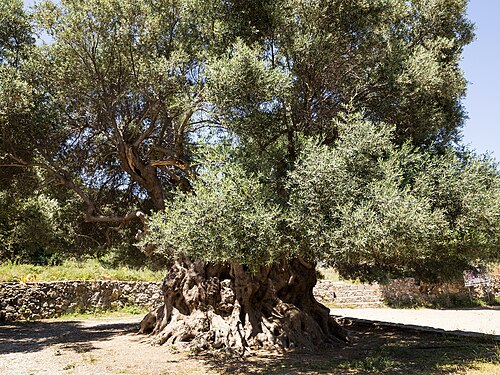
Save Olive (Olea europaea ) · Azoria, near Kavousi
Roughly 3,000 to 3,400 years old.
Photo: Unukorno (CC BY 4.0)
Crete →
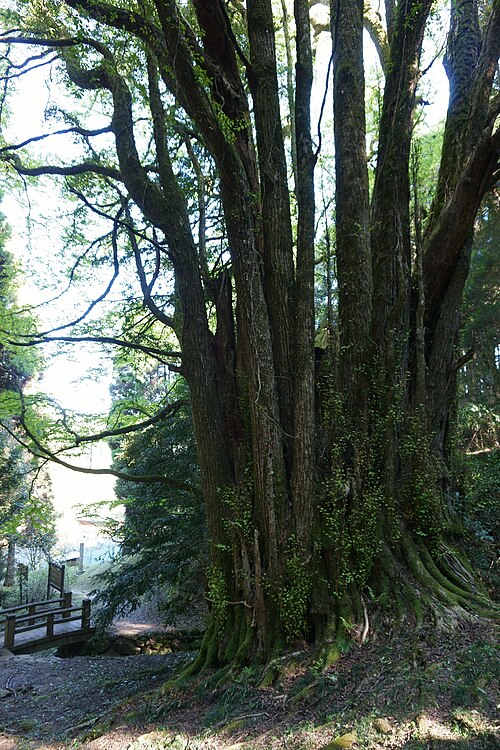
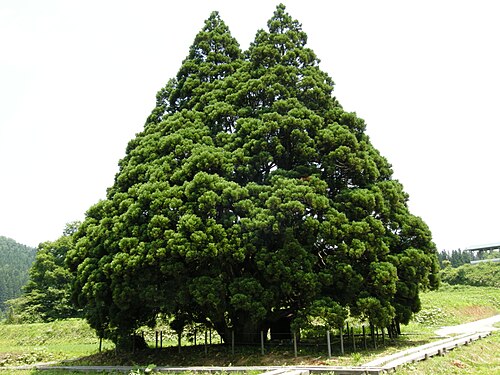
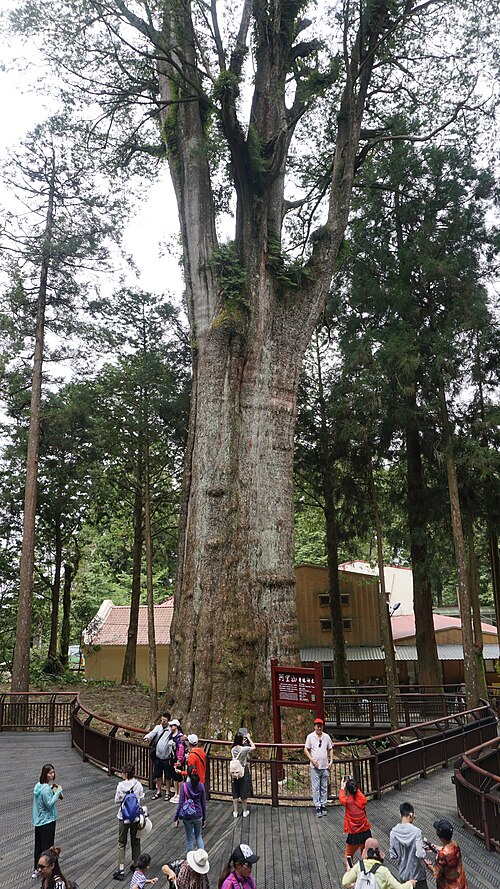
Taiwan Fir (Cunninghamia konishii ) · Bilu rest area, Taroko National Park, roughly 2,000m elevation
Roughly 3,000 to 3,300 years old.
Bilu →
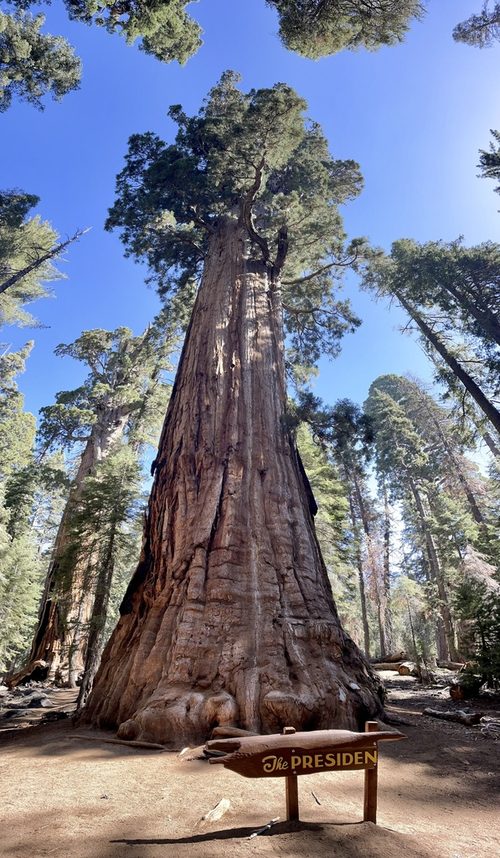
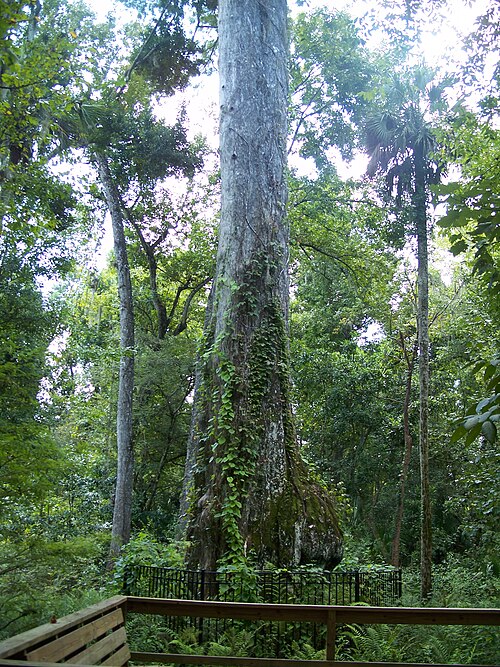
Save Giant Sequoia (Sequoiadendron giganteum ) · Giant Forest, on the Congress Trail loop, reached from the Sherman Tree parking lot
Roughly 3,000 to 3,240 years old.
Sequoia National Park →
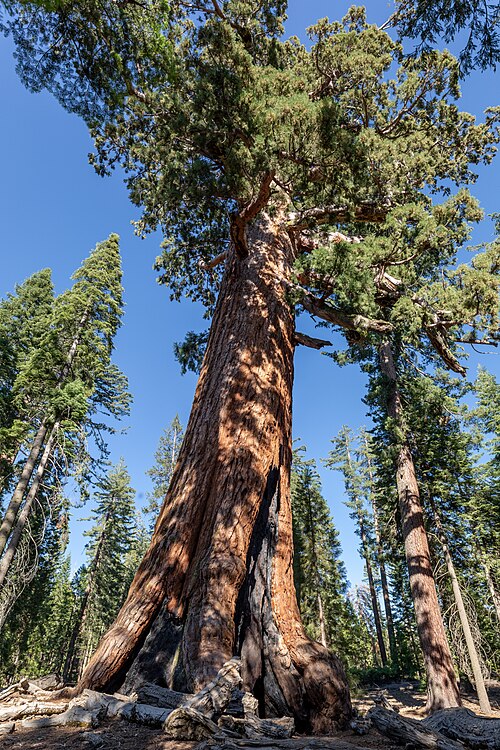
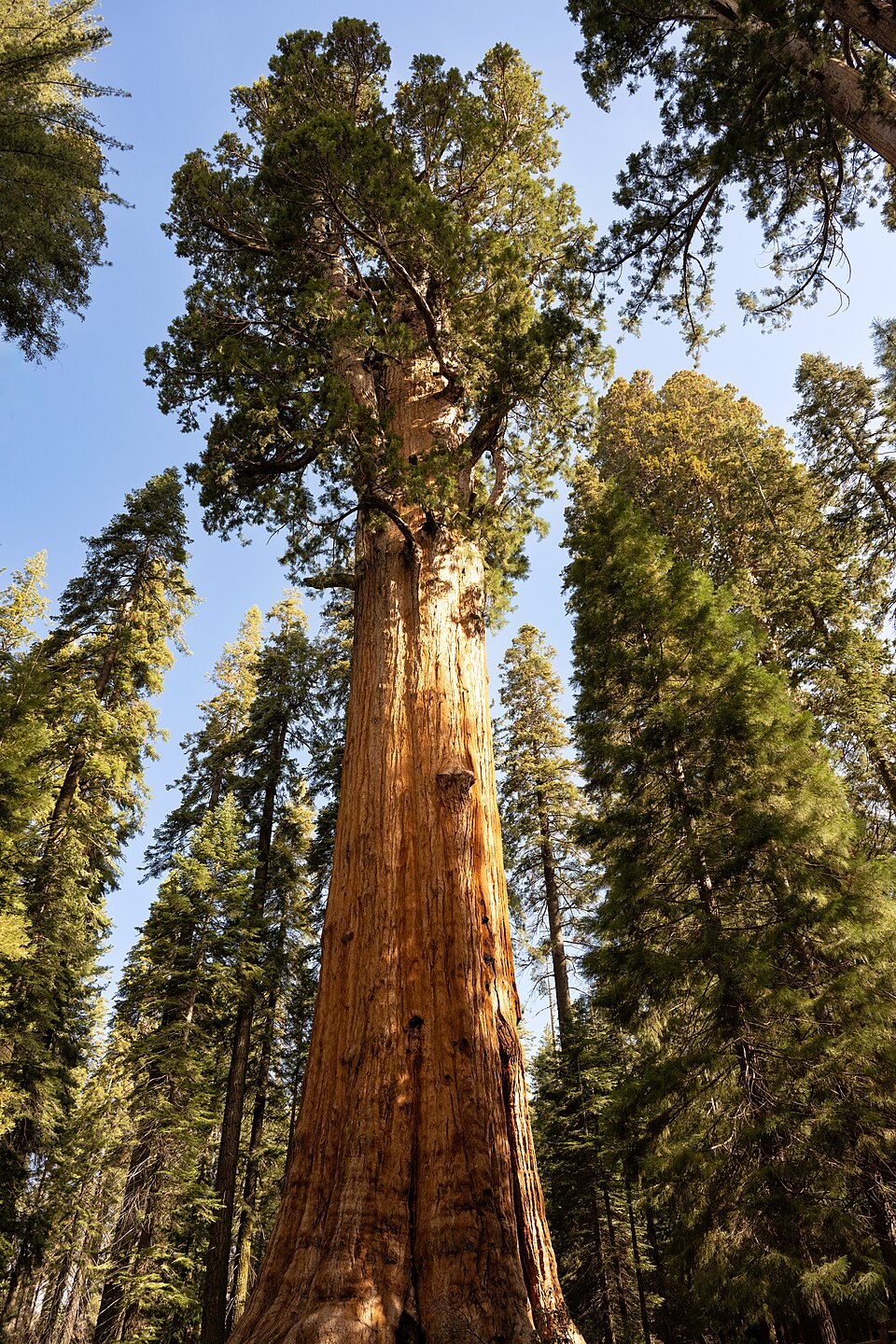
Save Giant Sequoia (Sequoiadendron giganteum ) · Lower Mariposa Grove, on the Grizzly Giant Loop Trail, about 1 mile from the Arrival Area
Roughly 2,745 to 3,245 years old.
Photo: Dietmar Rabich (CC BY-SA 4.0)
Yosemite National Park →
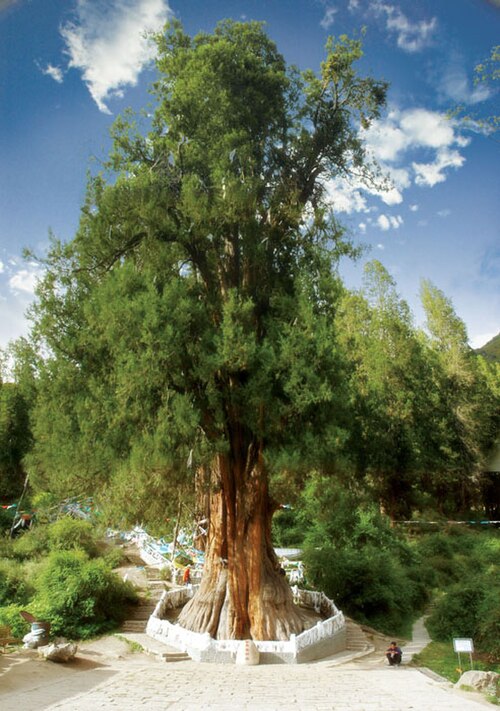
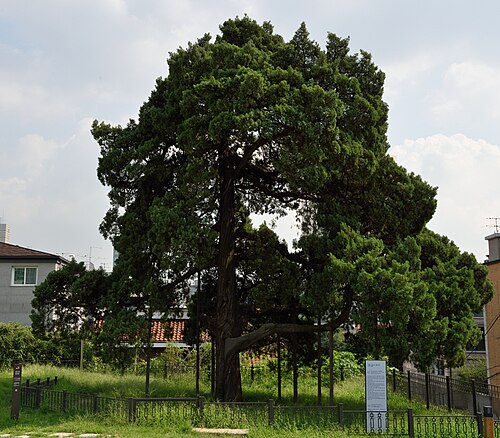
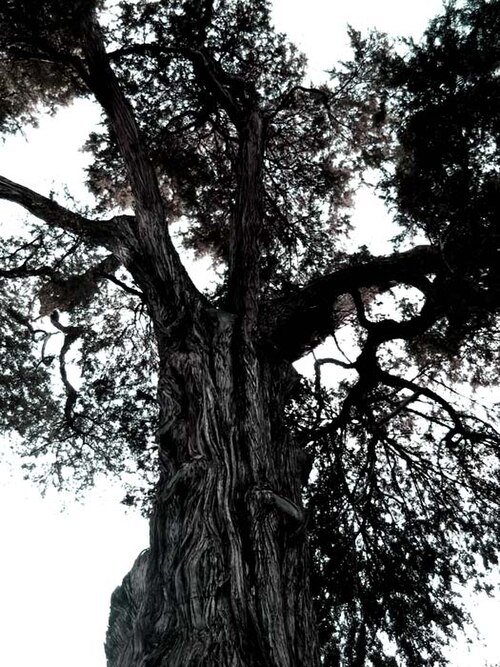
Save Tibetan Cypress (Cupressus gigantea ) · Bajie, Bayi District, Nyingchi (Linzhi)
Roughly 2,600 to 3,200 years old.
Photo: 卢传雄 (CC BY-SA 3.0)
Nyingchi →
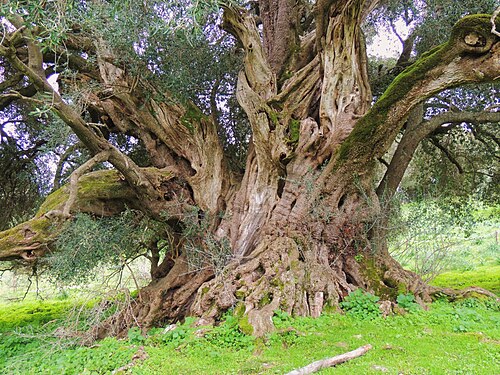
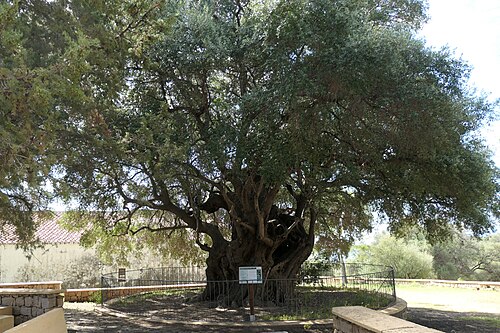
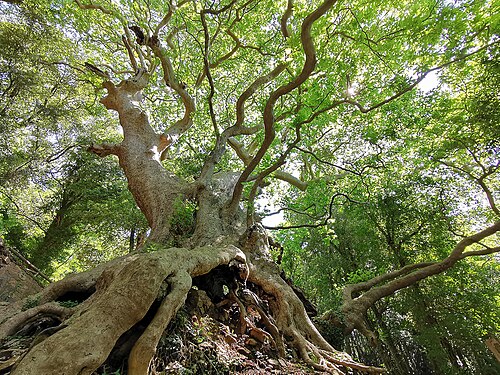
Save Wild Olive (Olea europaea var. sylvestris ) · Santu Baltolu di Carana, Gallura
Roughly 2,500 to 4,000 years old.
Photo: Robur.q (CC BY-SA 3.0)
Sardinia →
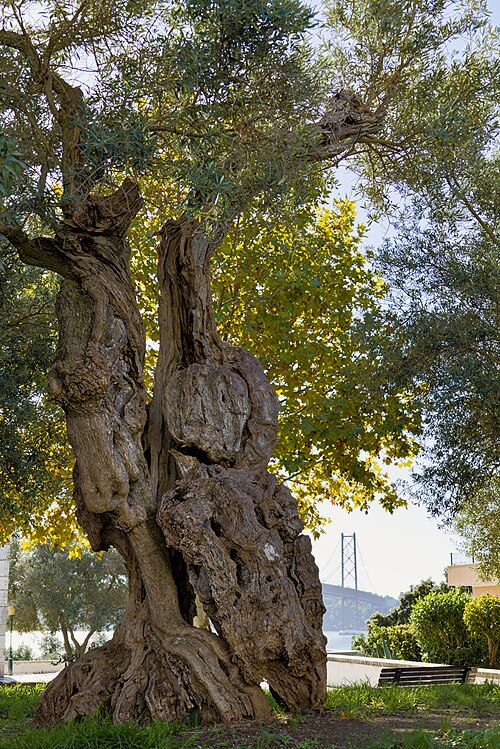
Olive (Olea europaea ) · Bairro da Covina, Pirescoxe (Santa Iria de Azoia, Loures)
Roughly 2,500 to 3,000 years old.
Lisbon →
Save Giant Sequoia (Sequoiadendron giganteum ) · Giant Forest, on the Main Trail, about 0.5 miles from the Wolverton/Sherman Tree parking lot
Roughly 2,200 to 3,200 years old.
Photo: Eric Kilby from Somerville, MA, USA (CC BY-SA 2.0)
Sequoia National Park →
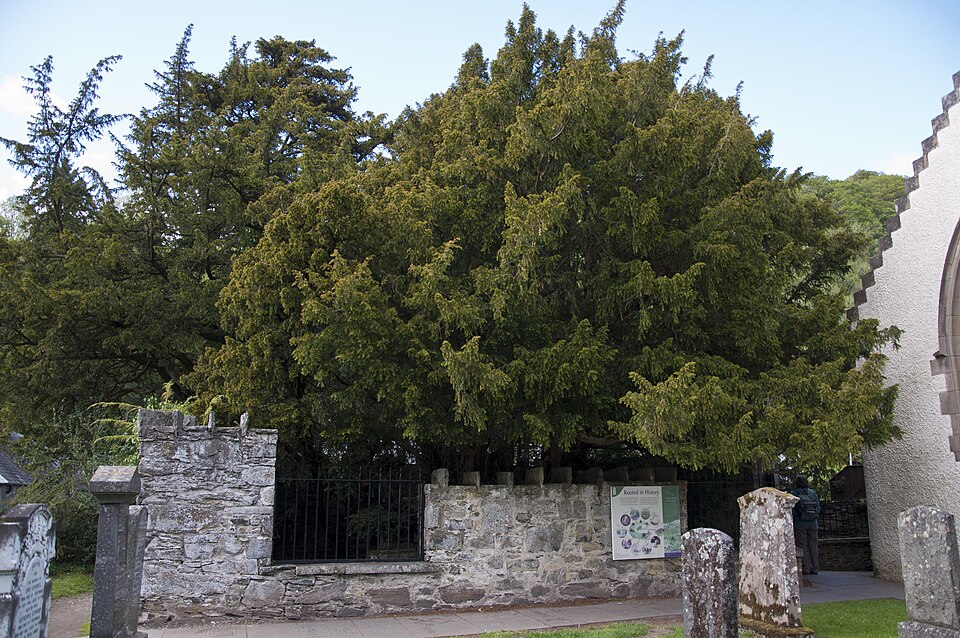
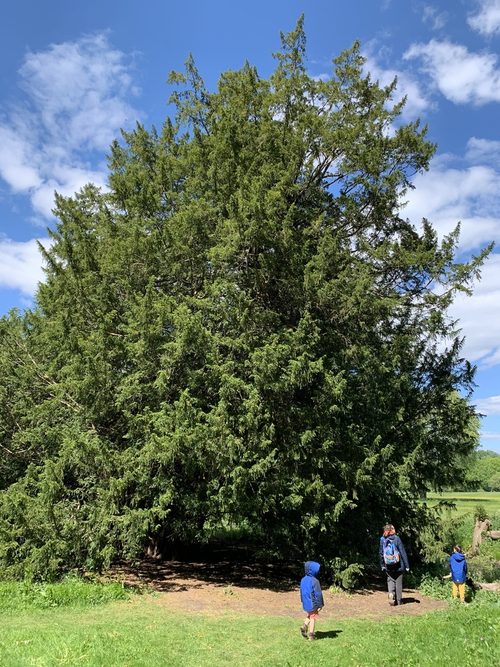
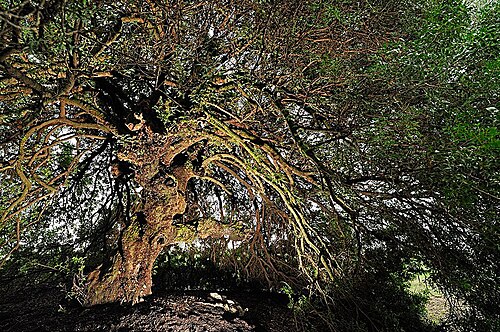
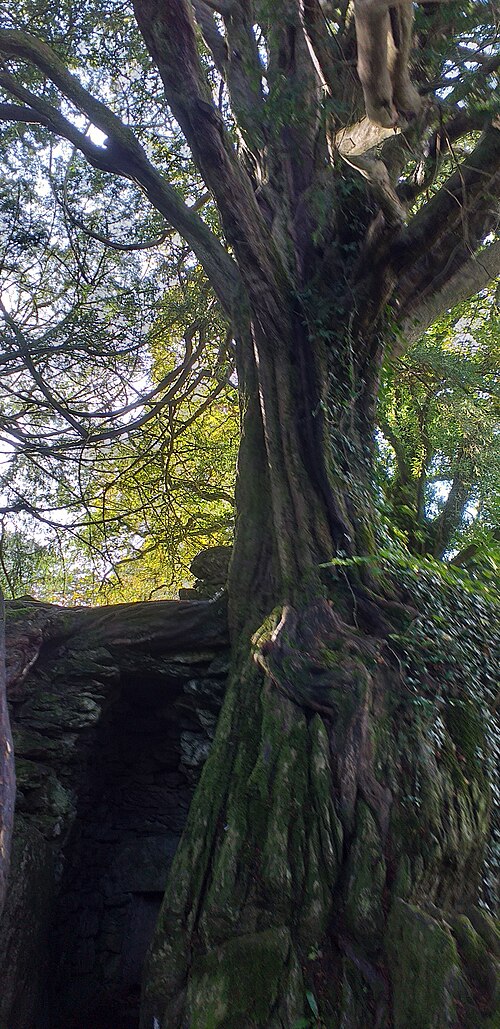
Save European Yew (Taxus baccata ) · Fortingall village churchyard
Roughly 2,000 to 5,000 years old.
Photo: Paul Hermans (CC BY-SA 3.0)
Fortingall →
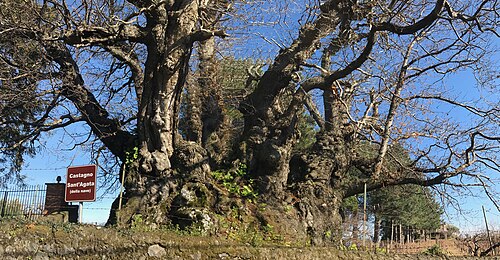
Sweet Chestnut (Castanea sativa ) · Sant'Alfio, eastern slope of Mount Etna
Roughly 2,000 to 4,000 years old.
Sant'Alfio →
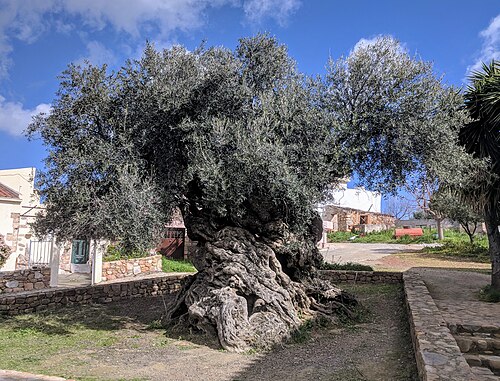
Save Olive (Olea europaea ) · Ano Vouves village, next to the Olive Tree Museum of Vouves
Roughly 2,000 to 4,000 years old.
Photo: Eric Nagle (CC BY-SA 4.0)
Crete →
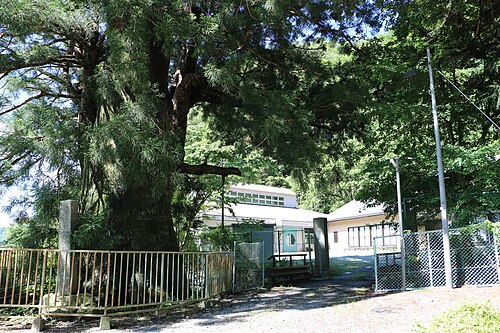
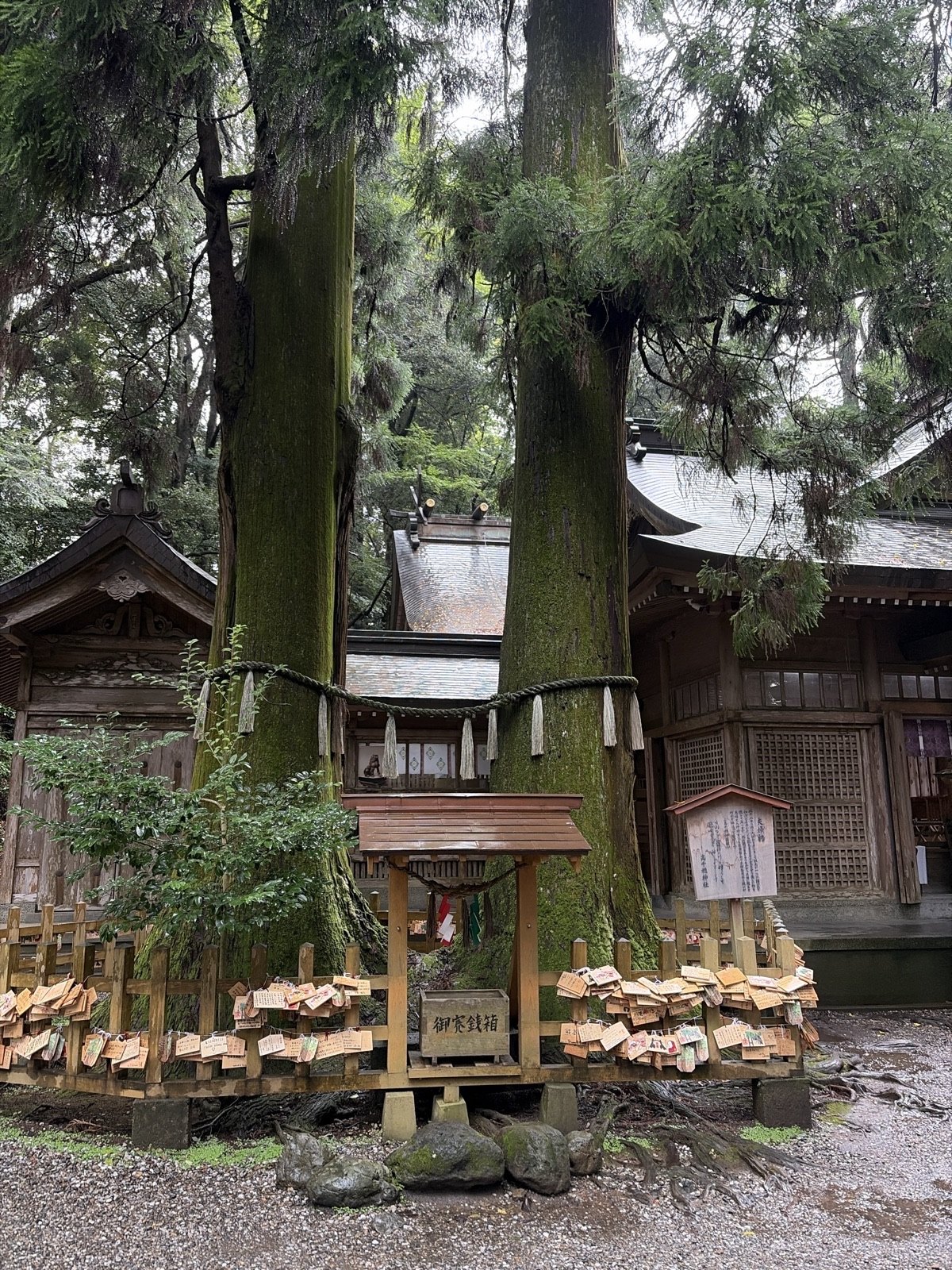
Japanese Cedar (Cryptomeria japonica ) · Yakushima wilderness / Arakawa trail
Roughly 2,000 to 3,600 years old.
Yakushima →
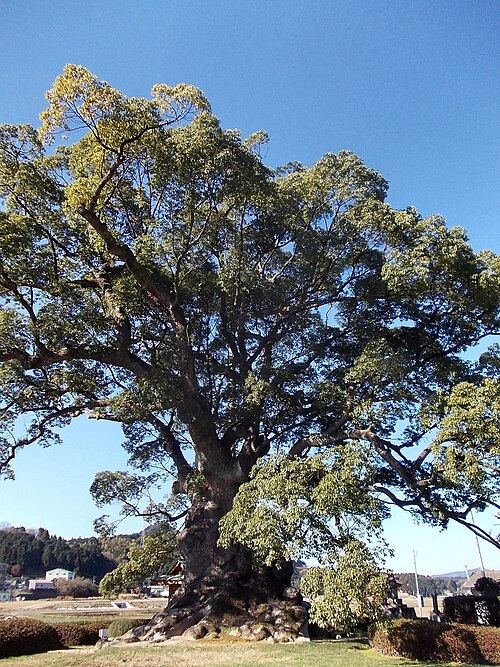
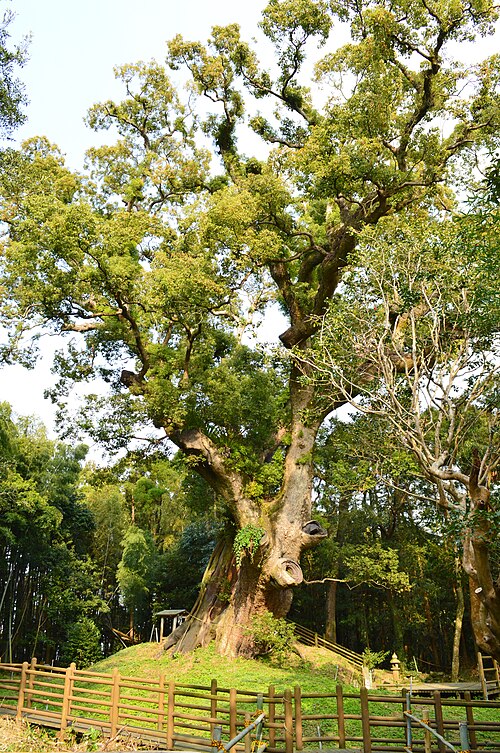
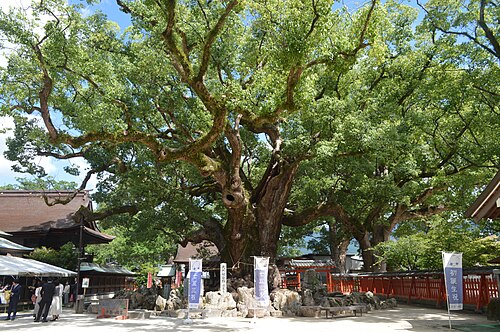
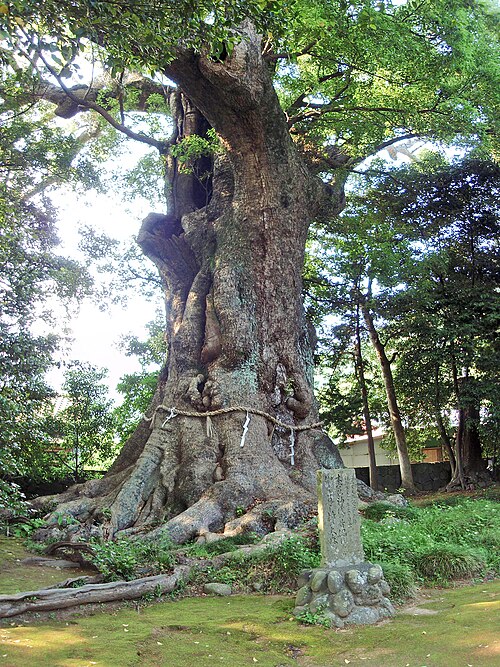
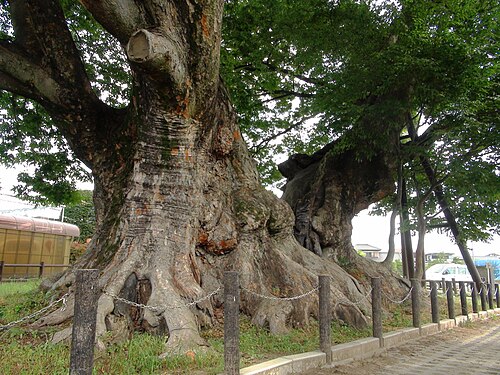
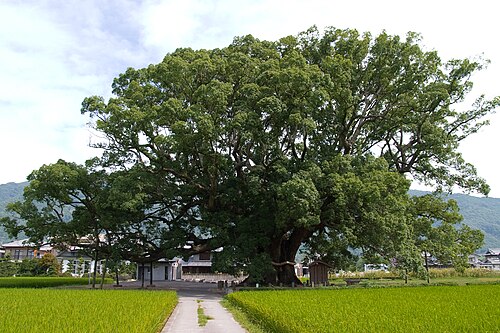
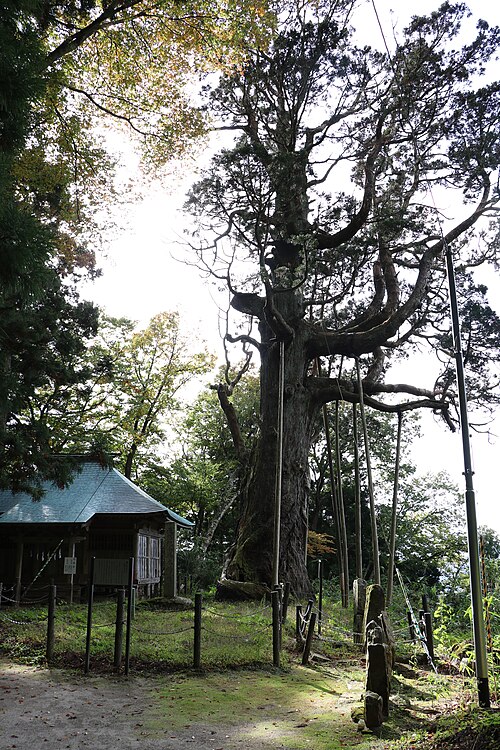
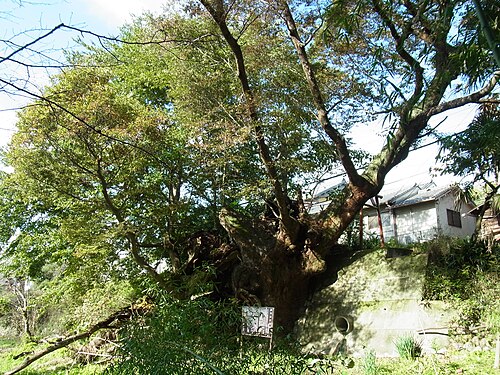
Save Camphor Tree (Cinnamomum camphora ) · Wakaki, Takeo City
Roughly 2,000 to 3,500 years old.
Photo: STA3816 (CC BY-SA 3.0)
Kawago →
Japanese Cedar (Cryptomeria japonica ) · Yakushima interior forest (Miyanoura)
Roughly 2,000 to 3,000 years old.
Yakushima →
Save Camphor Tree (Cinnamomum camphora ) · Omishima Island (Shimanami Kaido)
Roughly 2,000 to 3,000 years old.
Photo: そらみみ (CC BY-SA 4.0)
Omishima →
Japanese Cedar (Cryptomeria japonica ) · Sugi
Roughly 2,000 to 3,000 years old.
Otoyo →
Taiwan Red Cypress (Chamaecyparis formosensis ) · Lulin Mountain, Xinyi, Nantou
Roughly 2,000 to 2,800 years old.
Lulin →
Giant Sequoia (Sequoiadendron giganteum ) · Converse Basin, reached via the Boole Tree Trail loop off Forest Road 13S55, about 4 miles north of Grant Grove Village on Highway 180
Roughly 2,000 to 2,500 years old.
Kings Canyon National Park →
Japanese Cedar (Cryptomeria japonica ) · Yamanaka Onsen
Roughly 2,000 to 2,500 years old.
Kaga →
Save European Yew (Taxus baccata ) · Runnymede and Ankerwycke (National Trust)
Roughly 2,000 to 2,500 years old.
Photo: Liam Maguire (CC BY)
Runnymede →
Save Bald Cypress (Taxodium distichum ) · Big Tree Park
About 2,000 years old.
Photo: Ebyabe (CC BY-SA 3.0)
Longwood →
European Yew (Taxus baccata ) · Gumeli, Alapli, Zonguldak
Roughly 1,950 to 4,115 years old.
Gumeli →
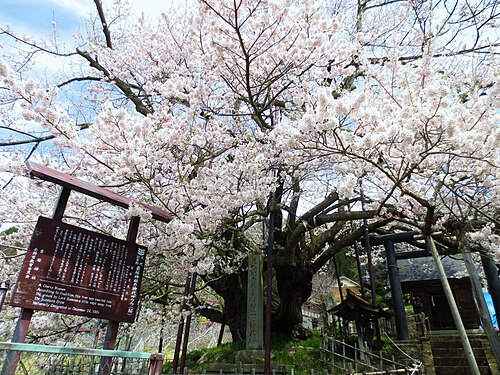
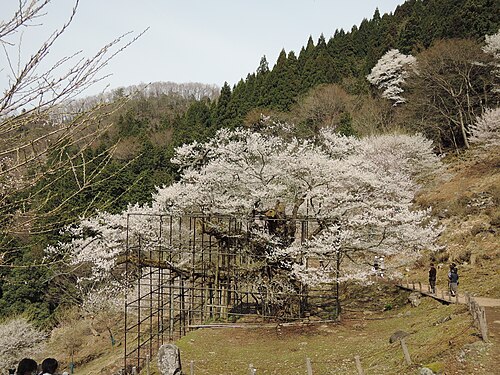
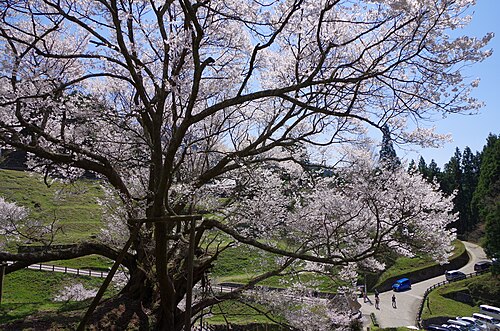
Higan Cherry (Prunus subhirtella var. ascendens ) · Yamataka, Hokuto
Roughly 1,800 to 2,000 years old.
Hokuto →
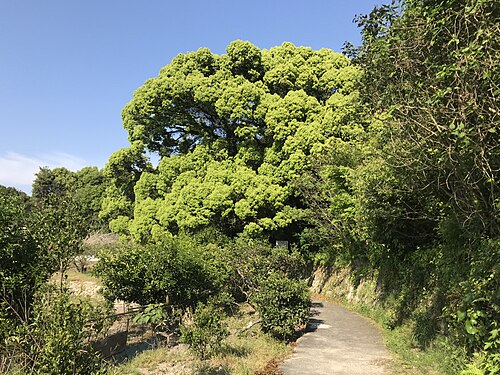
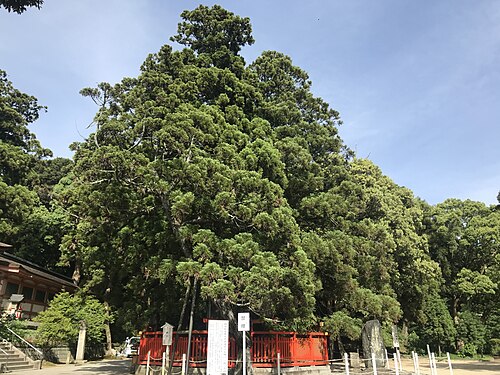
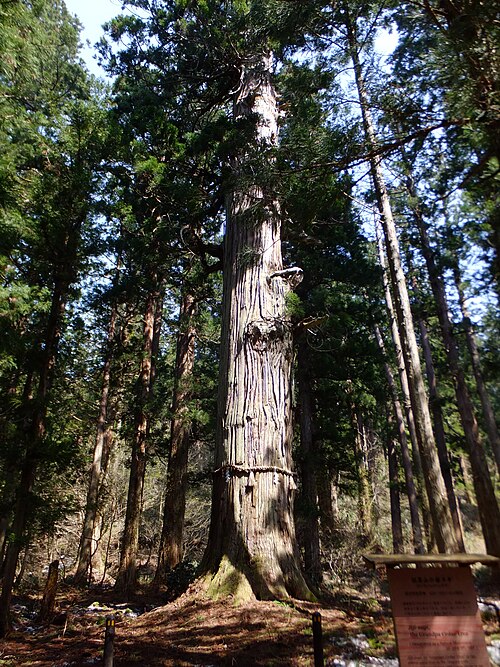
Save Japanese Cedar (Cryptomeria japonica ) · Kashii, Higashi-ku
Roughly 1,700 to 1,900 years old.
Photo: そらみみ (CC BY-SA 4.0)
Fukuoka →
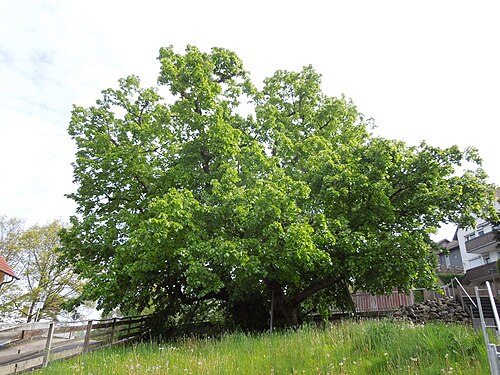
Pedunculate Oak (Quercus robur ) · Granit village
Roughly 1,650 to 1,700 years old.
Granit →
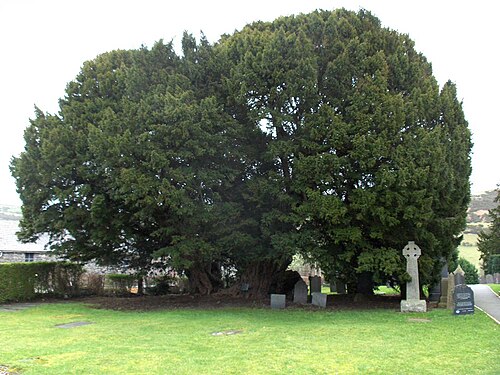
Save European Yew (Taxus baccata ) · Llangernyw village
Roughly 1,500 to 5,000 years old.
Photo: Stemonitis (CC BY-SA 2.5)
Llangernyw →
Olive (Olea europaea ) · Vila Fresca de Azeitao, Setubal
Roughly 1,500 to 2,500 years old.
Azeitao →
Wild Olive (Olea europaea var. sylvestris ) · Santu Baltolu di Carana, Gallura
Roughly 1,500 to 2,500 years old.
Sardinia →
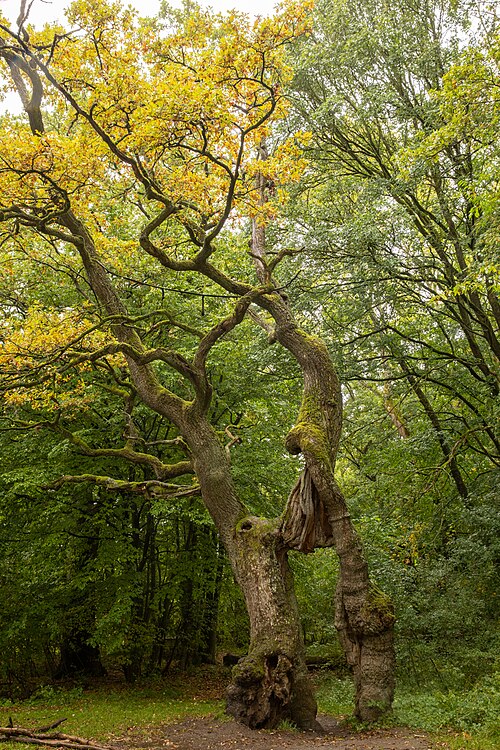
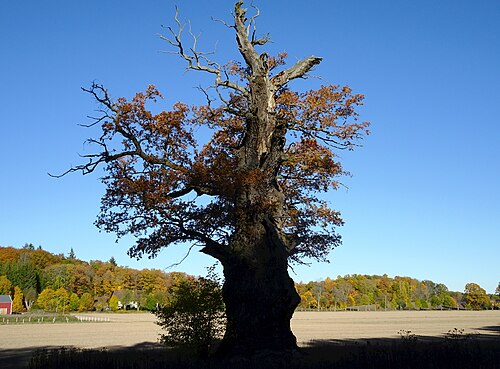
Save Pedunculate Oak (Quercus robur ) · Jægerspris Nordskov forest, managed by Kong Frederik den Syvendes Stiftelse (the Jægerspris Slot estate foundation)
Roughly 1,500 to 2,000 years old.
Jægerspris Nordskov →
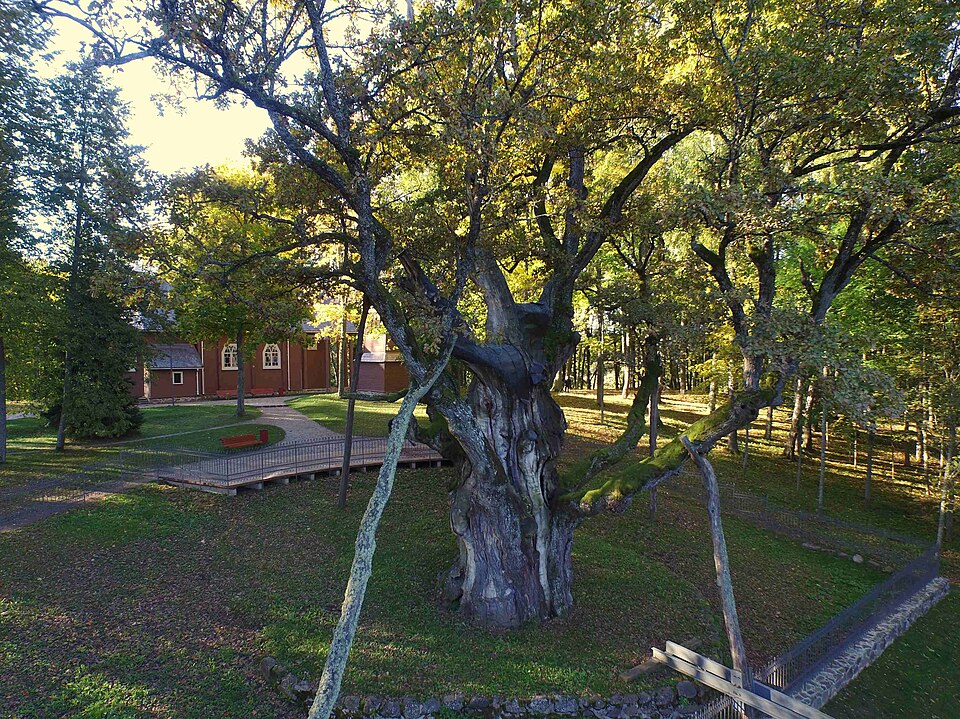
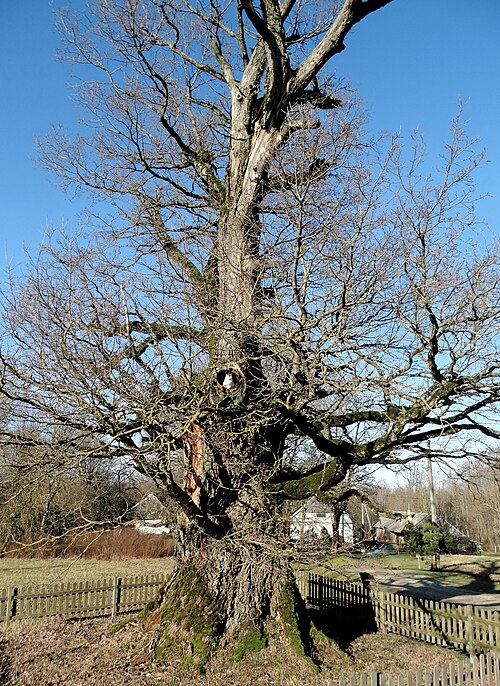
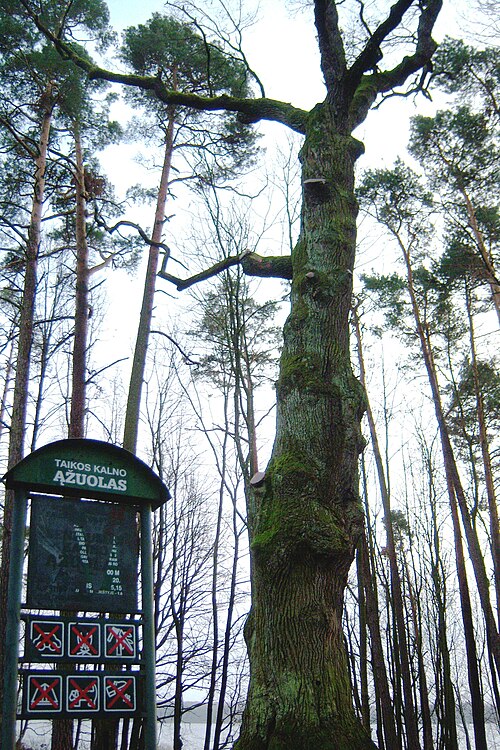
Save Pedunculate Oak (Quercus robur ) · Stelmužė village, in the old manor park beside the wooden church
Roughly 1,500 to 2,000 years old.
Photo: Algimantas Navickas, Arnoldas Abramavičius, Gintautas Antanavičius, Arvydas Veik (CC BY-SA 4.0)
Stelmužė →
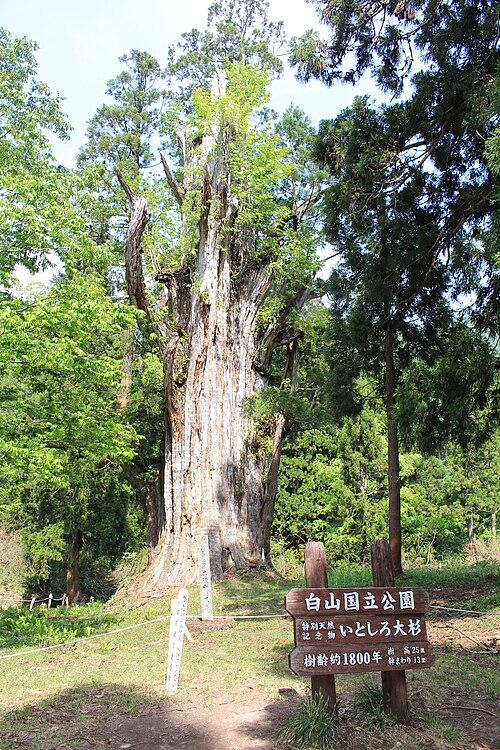
Save Japanese Cedar (Cryptomeria japonica ) · Itoshiro
Roughly 1,500 to 1,900 years old.
Photo: Alpsdake (CC BY-SA 4.0)
Itoshiro →
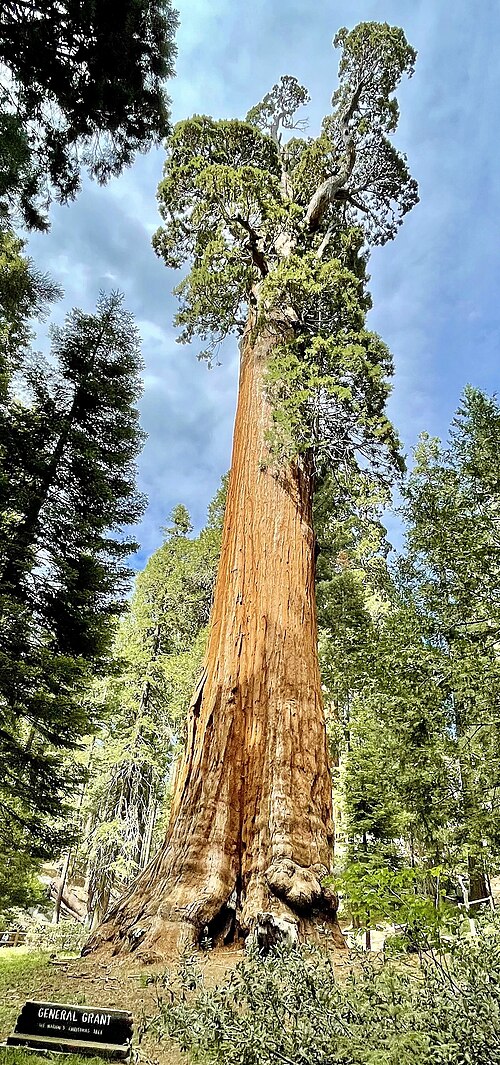
Save Giant Sequoia (Sequoiadendron giganteum ) · Grant Grove, on the paved General Grant Tree Trail loop
Roughly 1,500 to 1,800 years old.
Photo: Marty Aligata (CC BY-SA 4.0)
Kings Canyon National Park →
Japanese Cedar (Cryptomeria japonica ) · Tsukize
Roughly 1,500 to 1,800 years old.
Neba →
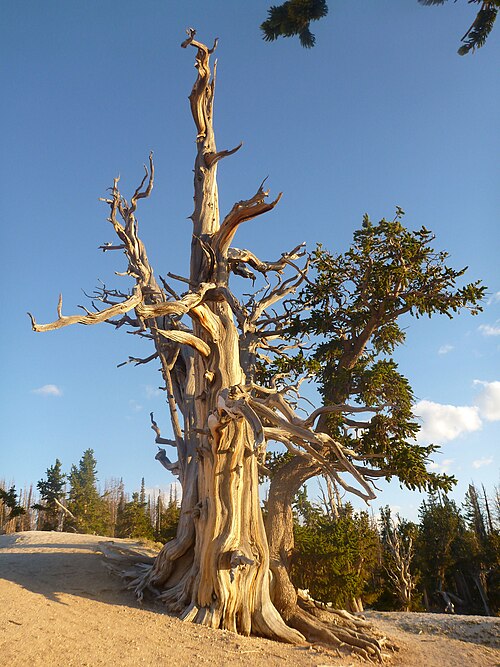
Save Great Basin Bristlecone Pine (Pinus longaeva ) · Spectra Point
Roughly 1,500 to 1,700 years old.
Photo: The Dye Clan (CC BY-SA 3.0)
Cedar Breaks National Monument →
Higan Cherry (Prunus subhirtella var. ascendens ) · Neo, Motosu
About 1,500 years old.
Motosu →
Chinese Juniper (Juniperus chinensis ) · Sipailou, Xuanwu District, Nanjing
Roughly 1,450 to 1,550 years old.
Nanjing →
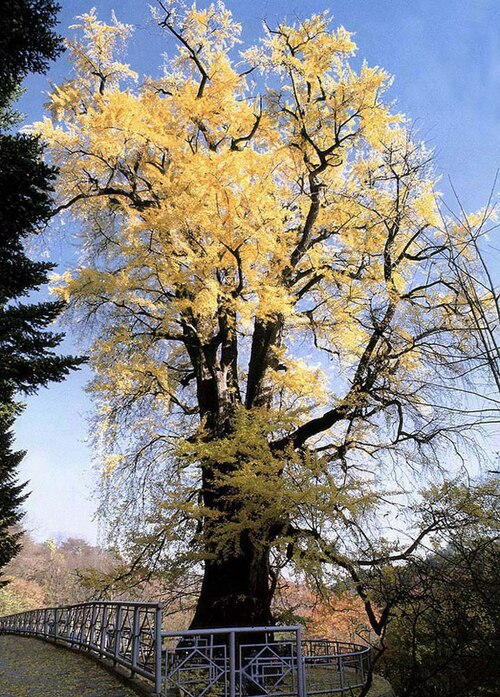
Ginkgo (Ginkgo biloba ) · Shaolin Temple, Song Mountain, Dengfeng
Roughly 1,300 to 1,700 years old.
Dengfeng →
Chinese Banyan (Ficus concinna ) · Gaotian, Yangshuo County, Guilin
Roughly 1,300 to 1,500 years old.
Yangshuo →
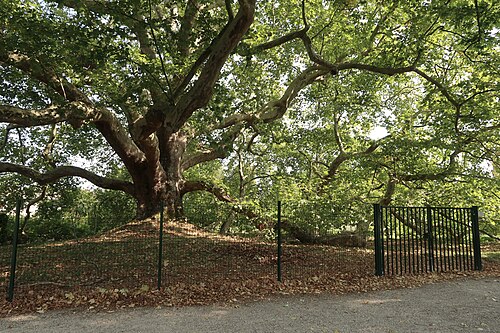
Oriental Plane (Platanus orientalis ) · Bahçeköy, Sarıyer
Roughly 1,300 to 1,400 years old.
Istanbul →
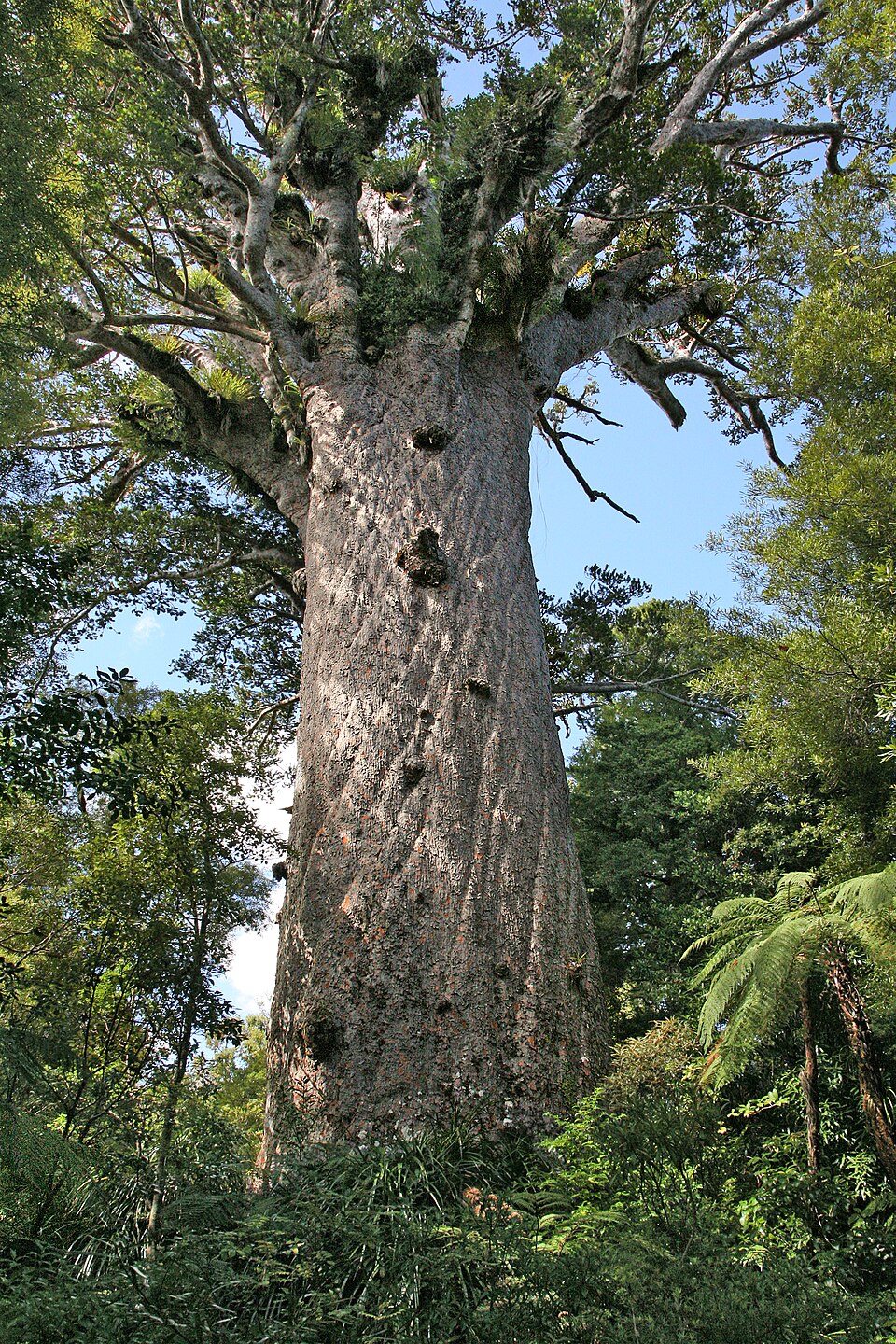
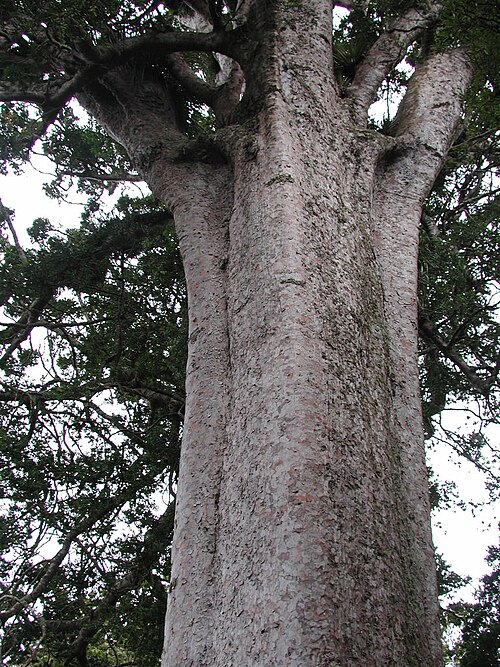
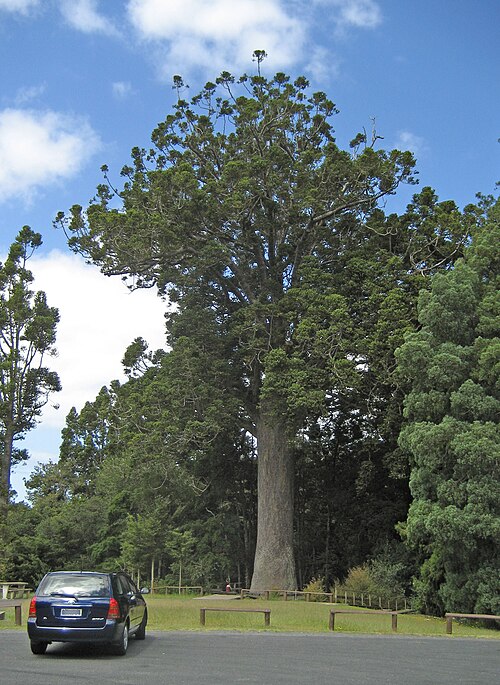
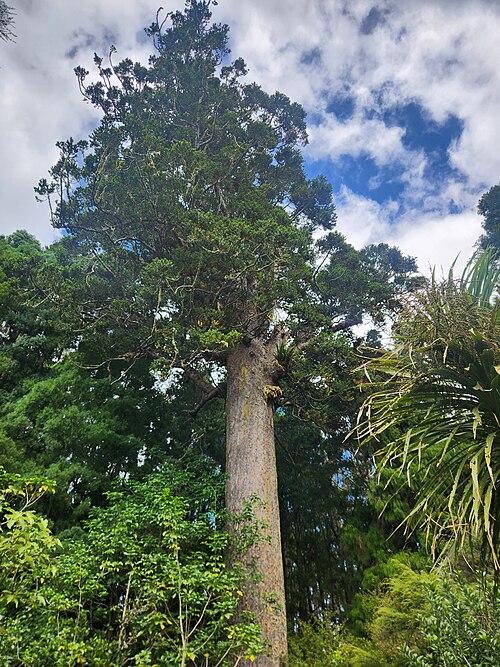
Save Kauri (Agathis australis ) · Waipoua Forest, signposted directly off SH12
Roughly 1,250 to 2,500 years old.
Photo: W. Bulach (CC BY-SA 4.0)
Waipoua Forest →
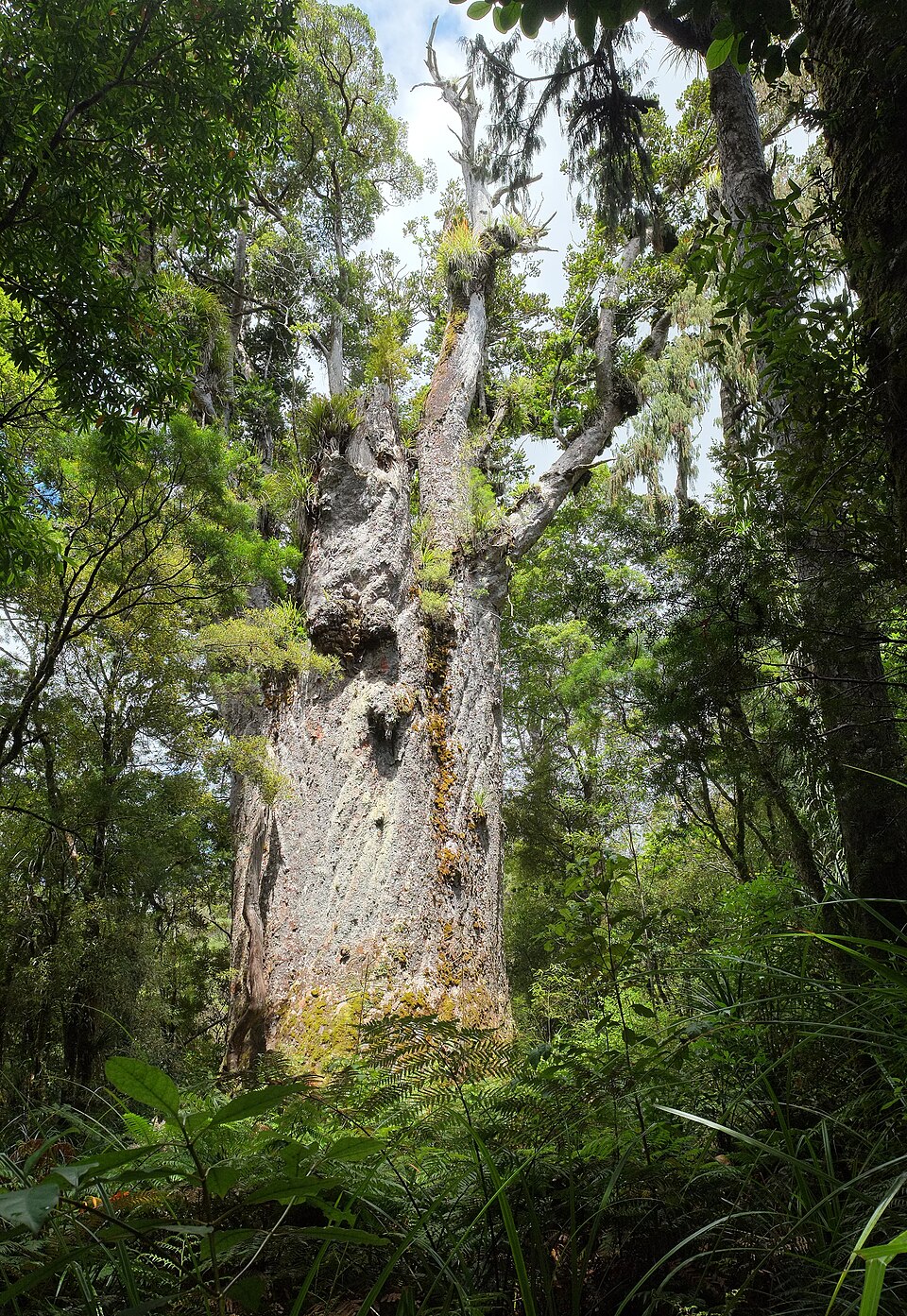
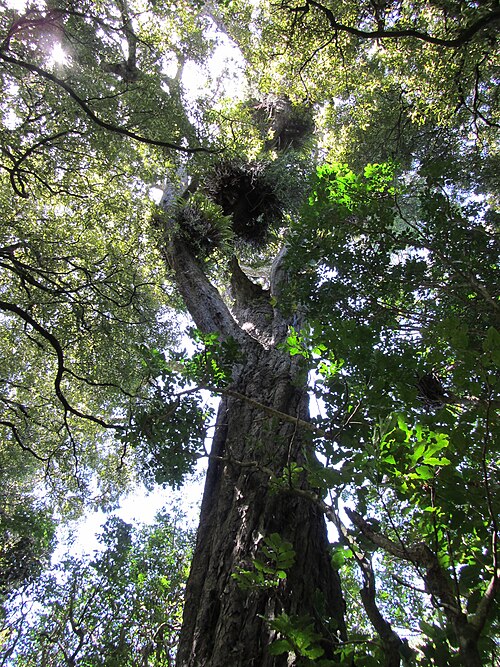
Save Kauri (Agathis australis ) · Waipoua Forest, about 4 km / 3 minutes' drive south of the Tane Mahuta car park
Roughly 1,200 to 4,000 years old.
Photo: Pseudopanax (CC BY 4.0)
Waipoua Forest →
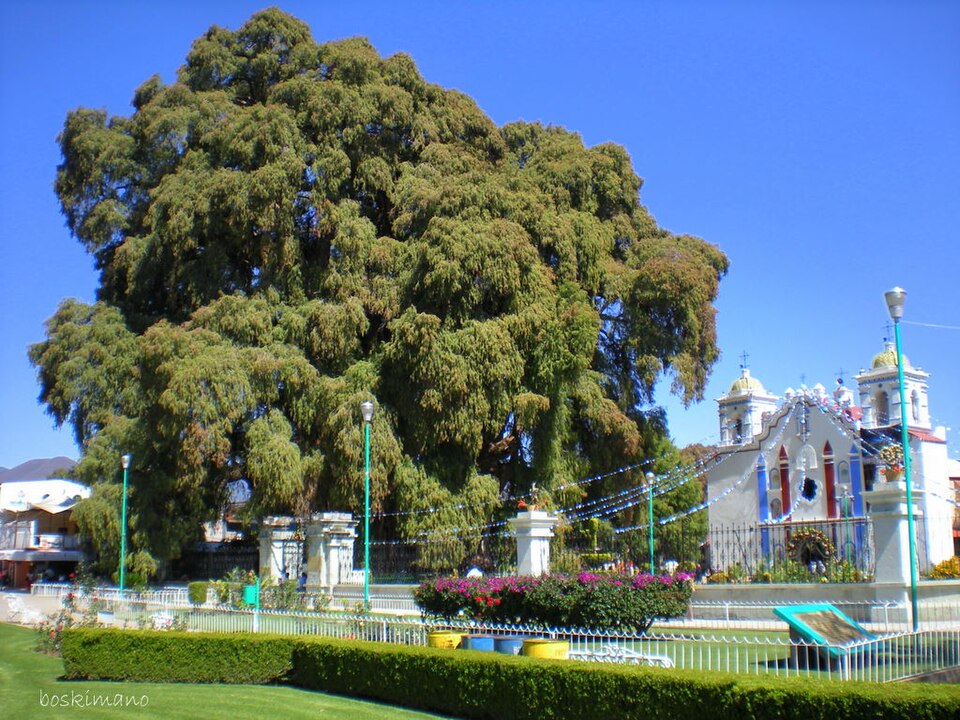
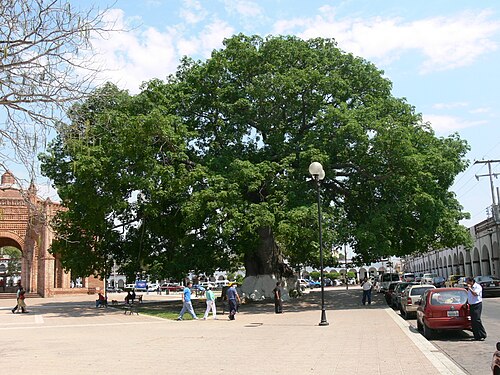
Save Montezuma Cypress (Taxodium mucronatum ) · Santa María del Tule town center, church courtyard
Roughly 1,200 to 3,000 years old.
Photo: boskimano (CC BY-SA 3.0)
Santa María del Tule →
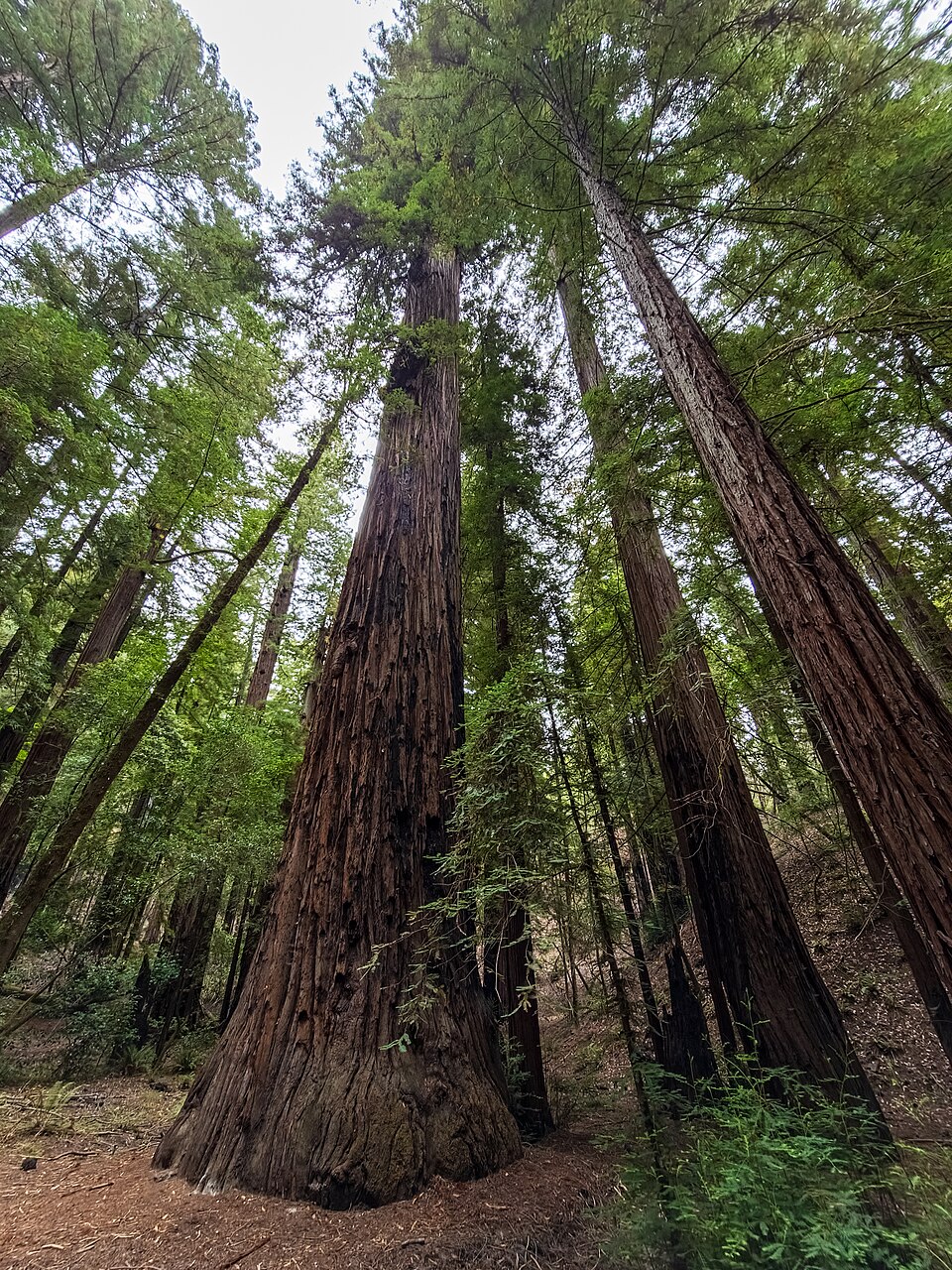
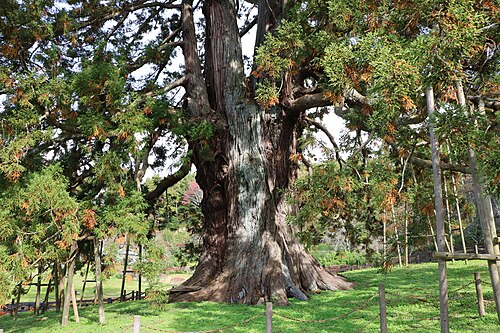
Save Coast Redwood (Sequoia sempervirens ) · Pioneer Trail, about 0.5 miles from the reserve entrance
Roughly 1,200 to 1,600 years old.
Photo: Sergei Mutovkin (CC BY 2.0)
Guerneville →
Ginkgo (Ginkgo biloba ) · Kawachi-nukui, Asaminami-ku
Roughly 1,200 to 1,600 years old.
Hiroshima →
European Yew (Taxus baccata ) · Borrowdale, Lake District
Roughly 1,200 to 1,500 years old.
Borrowdale →
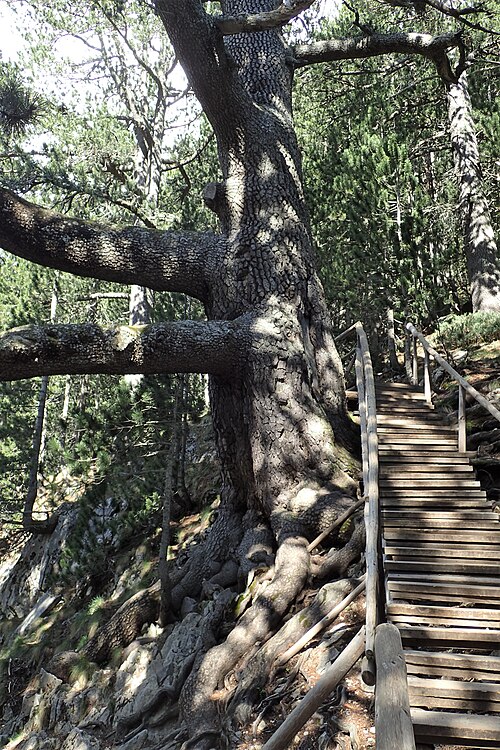
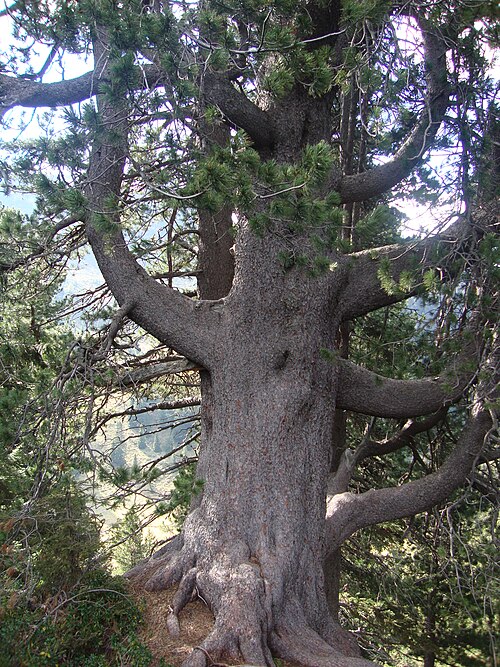
Save Bosnian Pine (Pinus heldreichii ) · Banderitsa, Pirin National Park
Roughly 1,200 to 1,400 years old.
Photo: Krzysztof Ziarnek, Kenraiz (CC BY-SA 4.0)
Bansko →
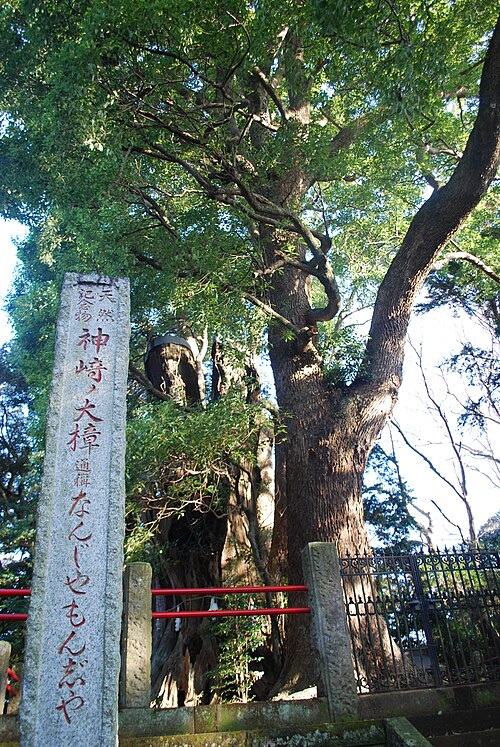
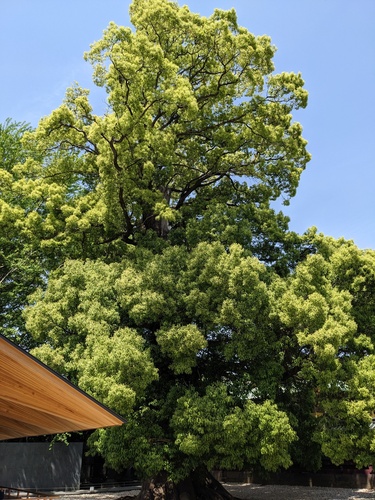
Save Camphor Tree (Camphora officinarum , syn. Cinnamomum camphora ) · Kozaki Shrine (Kozaki Jinja), Kozaki Forest
Roughly 1,200 to 1,400 years old.
Photo: katorisi (CC BY-SA 3.0)
Kozaki →
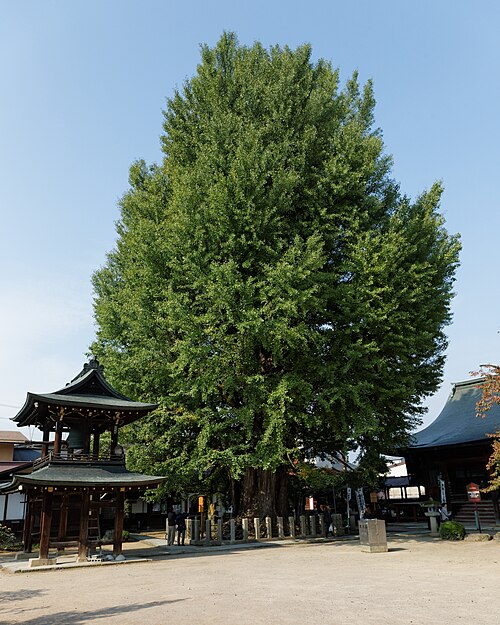
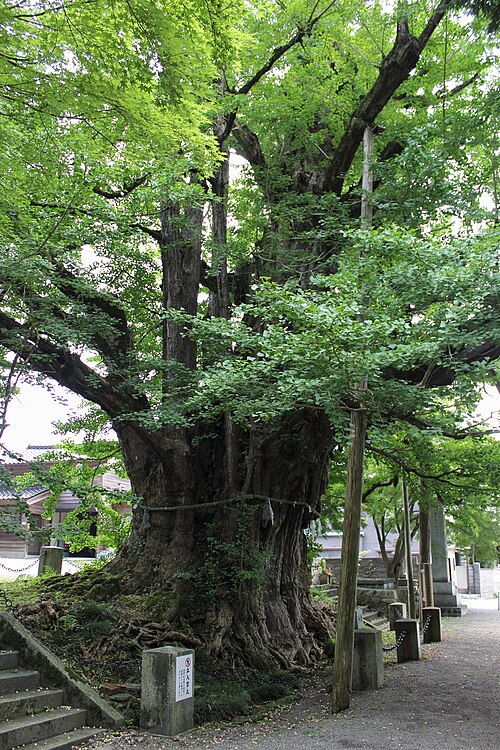
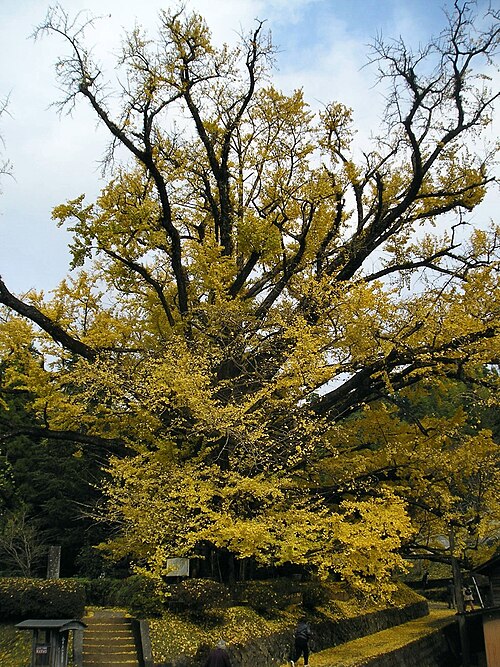
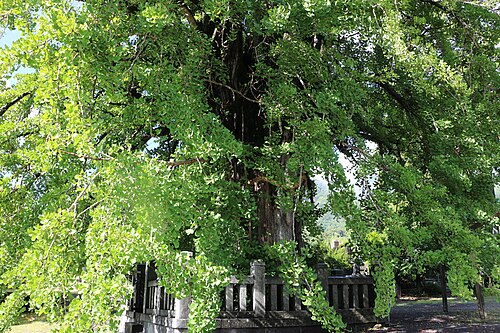
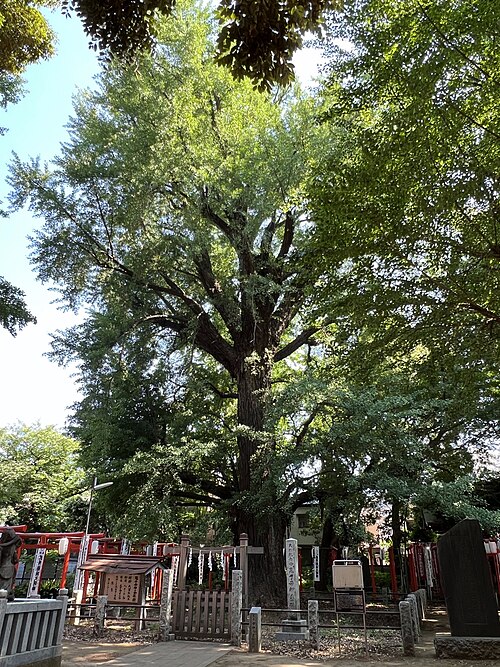
Save Ginkgo (Ginkgo biloba ) · Sowa-cho, Takayama
Roughly 1,200 to 1,300 years old.
Photo: KimonBerlin (CC BY-SA 2.0)
Takayama →
Save Camphor Tree (Cinnamomum camphora ) · Kimotsuki, Kagoshima Prefecture; about 40 km from Kagoshima city
Roughly 1,200 to 1,300 years old.
Kimotsuki →
Sweet Osmanthus (Osmanthus fragrans var. thunbergii ) · Omiya-cho, Mishima (a separate city about 14 km from Atami, one JR Tokaido Line stop or a few minutes by Shinkansen away, well within the day-trip boundary; not administratively part of Atami)
About 1,200 years old.
Atami →
Save Coast Redwood (Sequoia sempervirens ) · near the reserve entrance, about 100 yards from the parking lot
Roughly 1,100 to 1,500 years old.
Guerneville →
Sago Palm (Cycas revoluta ) · Sakai, roughly 20-25 minutes by Nankai train from central Osaka (Namba)
Roughly 1,100 to 1,300 years old.
Osaka →
Japanese Pagoda Tree (Styphnolobium japonicum ) · Beihai Park
Roughly 1,100 to 1,300 years old.
Beijing →
Japanese Cedar (Cryptomeria japonica ) · Natsui, Ono
Roughly 1,100 to 1,200 years old.
Ono →
Taiwan Red Cypress (Chamaecyparis formosensis ) · Alishan Forest Recreation Area
Roughly 1,087 to 1,103 years old.
Alishan →
Save Camphor Tree (Cinnamomum camphora ) · Takeo-cho, Takeo City
Roughly 1,000 to 3,000 years old.
Photo: そらみみ (CC BY-SA 4.0)
Takeo →
Japanese Yew (Taxus cuspidata ) · Mt Sentsu (Sentsuzan) summit trail, Tottori side
Roughly 1,000 to 3,000 years old.
Nichinan, Tottori →
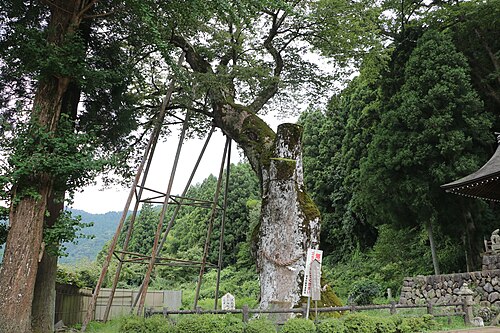
Save Katsura (Cercidiphyllum japonicum ) · Itoi Gorge, Izushi-Itoi Prefectural Natural Park
Roughly 1,000 to 2,000 years old.
Photo: さかおり (CC BY-SA 4.0)
Asago →
Save Wild Olive (Olea europaea var. sylvestris ) · Santa Maria Navarrese, Baunei, Ogliastra
Roughly 1,000 to 2,000 years old.
Photo: Thiotrix (CC BY-SA 4.0)
Sardinia →
Save Sweet Chestnut (Castanea sativa ) · Carpineto, Mascali, eastern slope of Mount Etna
Roughly 1,000 to 2,000 years old.
Photo: AusTitz (CC BY-SA 4.0)
Sant'Alfio →
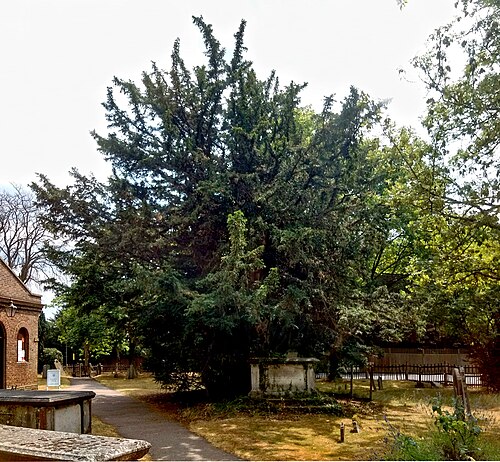
Save European Yew (Taxus baccata ) · Totteridge, North London
The oldest entry by a distance: estimates run from 1,000 to 2,000 years, and even the low end predates every building in London. The 13th century church beside it is the junior partner on the plot.
Photo: Philafrenzy (CC BY-SA 4.0)
London →
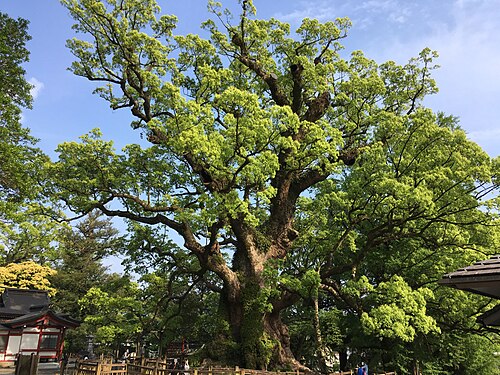
Save Camphor Tree (Cinnamomum camphora ) · Umi town, about 45 min from Hakata
Roughly 1,000 to 2,000 years old.
Photo: Asturio Cantabrio (CC BY-SA 4.0)
Fukuoka →
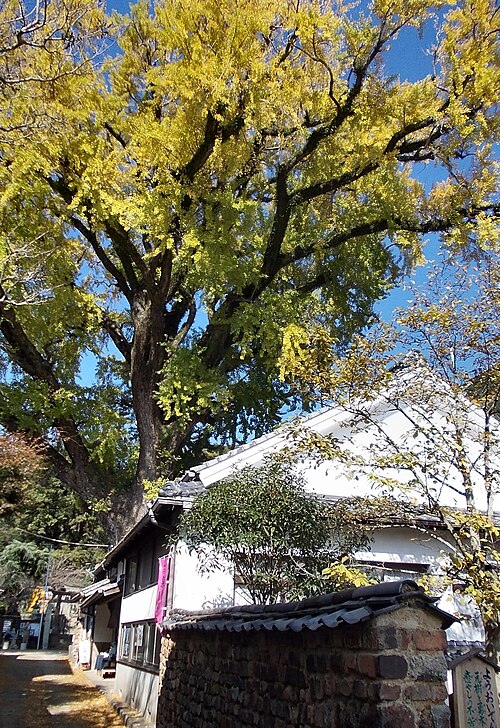
Save Saw-leaf Zelkova (Zelkova serrata ) · Yashiro, Asago
Roughly 1,000 to 1,900 years old.
Photo: さかおり (CC BY-SA 4.0)
Yabu →
Japanese Cedar (Cryptomeria japonica ) · Iwatani
Roughly 1,000 to 1,800 years old.
Aga →
European Yew (Taxus baccata ) · Estry, Valdallière commune
Roughly 1,000 to 1,800 years old.
Estry →
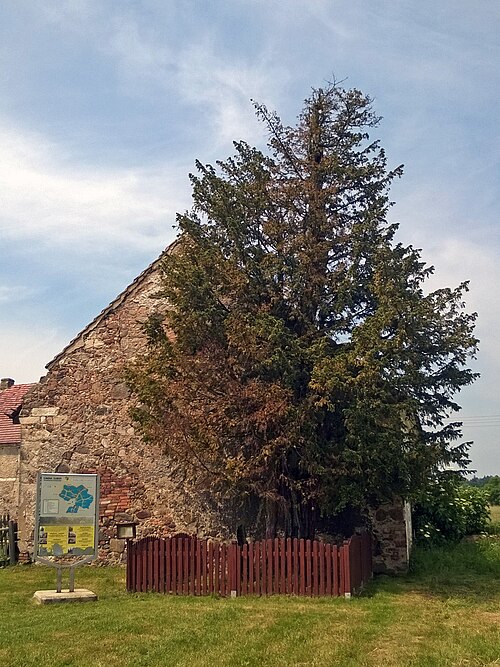
Save European Yew (Taxus baccata ) · Henryków Lubański, near Lubań
Roughly 1,000 to 1,500 years old.
Photo: Oberlausitzerin64 (CC BY-SA 4.0)
Henryków Lubański →
Katsura (Cercidiphyllum japonicum ) · Takasu
Roughly 1,000 to 1,500 years old.
Okuizumo →
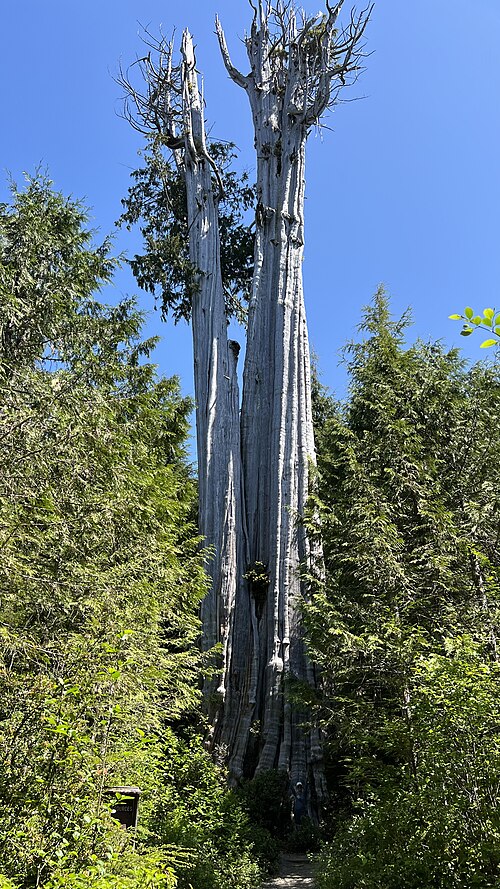
Save Western Red Cedar (Thuja plicata ) · Near Forks, off a logging road from Highway 101, at a boardwalk trail marked by a tree-shaped sign
Roughly 1,000 to 1,500 years old.
Photo: Marrstree (CC BY-SA 4.0)
Olympic National Park →
Save Camphor Tree (Cinnamomum camphora ) · Kawazu, east coast of the Izu Peninsula
Roughly 1,000 to 1,500 years old.
Kawazu →
Saw-leaf Zelkova (Zelkova serrata ) · Honmaru-minami, Higashine
Roughly 1,000 to 1,500 years old.
Higashine →
European Yew (Taxus baccata ) · Maljon forest, Cremines
Roughly 1,000 to 1,500 years old.
Cremines →
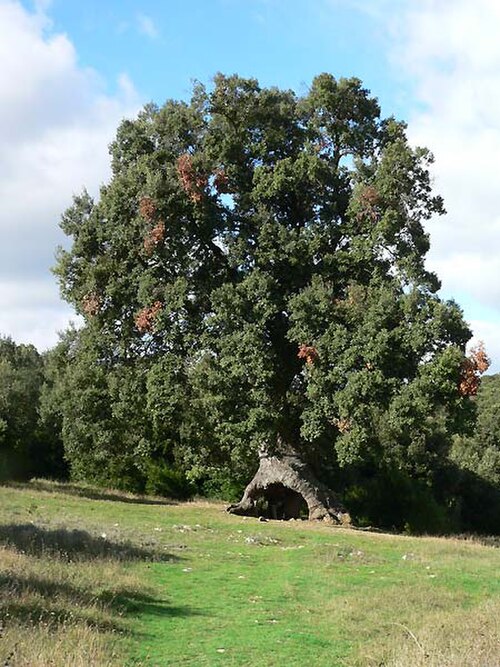
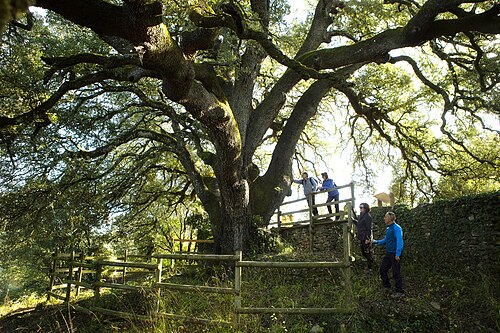
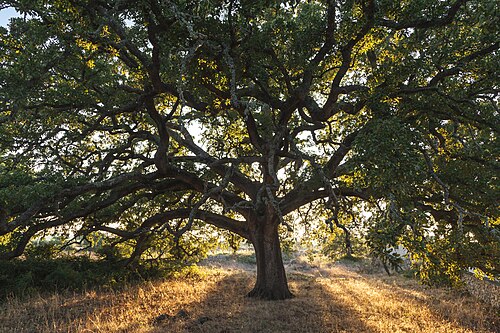
Save Holm Oak (Quercus ilex ) · Countryside outside Mendaza village
Roughly 1,000 to 1,400 years old.
Photo: Javier Hermoso De Mendoza (CC BY-SA 2.0 es)
Mendaza →
Save Japanese Cedar (Cryptomeria japonica ) · Shoji (Lake Shoji area, Fuji Five Lakes)
Roughly 1,000 to 1,400 years old.
Photo: さかおり (CC BY-SA 4.0)
Fujikawaguchiko →
Save Kauri (Agathis australis ) · Coromandel Forest Park, 8.5 km from Tapu
Roughly 1,000 to 1,400 years old.
Coromandel Forest Park →
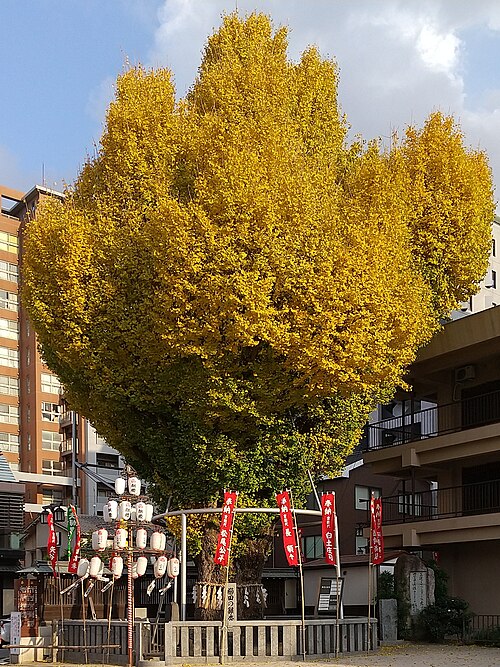
Save Edo-higan Cherry (Prunus itosakura ) · Izumidaira, Nagano City
Roughly 1,000 to 1,400 years old.
Photo: photo: Qurren (talk) Taken with Canon IXY 430F (Digital IXUS 245 HS) (CC BY-SA 3.0)
Nagano →
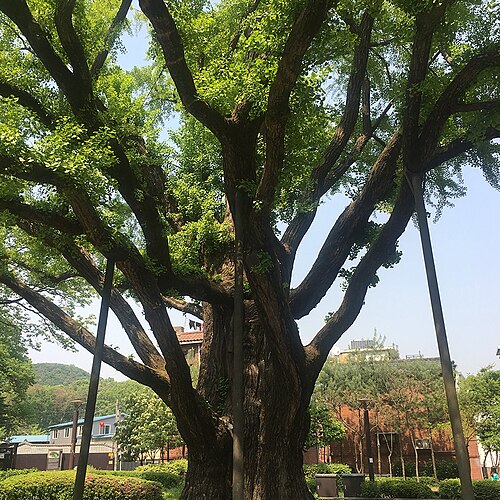
Save Ginkgo (Ginkgo biloba ) · Jonichiji Temple, Asahihonmachi, Himi
Roughly 1,000 to 1,350 years old.
Photo: 藤谷良秀 (CC BY-SA 3.0)
Himi →
Save Ginkgo (Ginkgo biloba ) · Shimojo, Oguni
Roughly 1,000 to 1,300 years old.
Photo: STA3816 (CC BY-SA 3.0)
Oguni →
Save Edo Higan Cherry (Prunus itosakura , syn. Prunus subhirtella var. ascendens ) · Oya-cho, Yabu City, roughly 20 km (mountain road, no public transport route found) from Asago, which we already publish; treated as its own single-tree place rather than joined to Asago
Roughly 1,000 to 1,300 years old.
Photo: Koichi Shibata (CC BY-SA 3.0)
Yabu →
Save Ginkgo (Ginkgo biloba ) · Yongmunsan (Mount Yongmun), Yongmun-myeon, Yangpyeong-gun
Roughly 1,000 to 1,300 years old.
Yangpyeong →
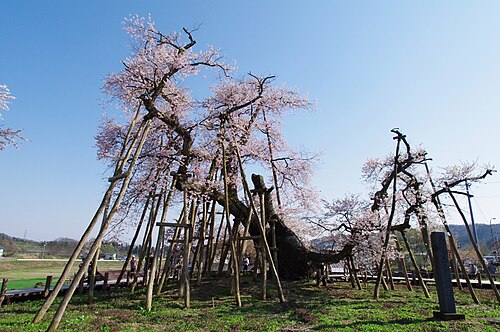
Save Edo-higan Cherry (Cerasus itosakura , syn. Prunus itosakura / P. spachiana f. ascendens ) · Isazawa, western Nagai, in the Okitama region of Yamagata
Roughly 1,000 to 1,300 years old.
Photo: Tomofumi Sato (CC BY-SA 3.0)
Nagai →
Ginkgo (Ginkgo biloba ) · Yawata, Ichikawa
Roughly 1,000 to 1,300 years old.
Tokyo →
Japanese Wisteria (Wisteria floribunda ) · Ushijima, Kasukabe
Roughly 1,000 to 1,300 years old.
Kasukabe →
Weeping Higan Cherry (Prunus subhirtella ) · Taki, Miharu
Roughly 1,000 to 1,200 years old.
Miharu →
Pedunculate Oak (Quercus robur ) · Veryn village
Roughly 1,000 to 1,200 years old.
Veryn →
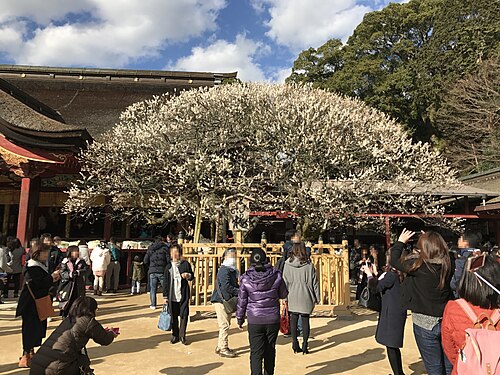
Save Japanese Apricot (Prunus mume ) · Saifu, Dazaifu (day trip from central Fukuoka)
Roughly 1,000 to 1,125 years old.
Photo: そらみみ (CC BY-SA 4.0)
Fukuoka →
Coast Redwood (Sequoia sempervirens ) · El Palo Alto Park, next to the Caltrain tracks where they cross Alma Street
Roughly 1,000 to 1,100 years old.
Palo Alto →
Save Japanese Cedar (Cryptomeria japonica ) · Mt Haguro, Dewa Sanzan
About 1,000 years old.
Photo: 掬茶 (CC BY-SA 4.0)
Tsuruoka →
Camphor Tree (Cinnamomum camphora ) · Kawatana, Toyoura-cho
About 1,000 years old.
Kawatana →
Seven hundred to a thousand years (99) Pedunculate Oak (Quercus robur ) · Kvill nature reserve, Rumskulla parish
Roughly 950 to 1,100 years old.
Rumskulla →
Camphor Tree (Cinnamomum camphora ) · Sumiyoshi, Sumiyoshi-ku
Roughly 950 to 1,050 years old.
Osaka →
Pedunculate Oak (Quercus robur ) · Tronjoly, Bulat-Pestivien (near Callac)
Roughly 900 to 1,600 years old.
Bulat-Pestivien →
Save Camphor Tree (Cinnamomum camphora ) · Kamo, Aira
Roughly 900 to 1,600 years old.
Kagoshima →
Sago Palm (Cycas revoluta ) · Shimizu, Shizuoka
Roughly 900 to 1,300 years old.
Shimizu →
Save Saw-leaf Zelkova (Zelkova serrata ) · Terabe, Minami-Alps City
Roughly 900 to 1,200 years old.
Photo: Sakaori (talk) (CC BY-SA 3.0)
Minami-Alps →
Pedunculate Oak (Quercus robur ) · Ceiriog Valley, near Chirk
Roughly 900 to 1,200 years old.
Chirk →
Save Cherry (Prunus sp.) · Haibara, Uda City
Roughly 900 to 1,100 years old.
Photo: Nankou Oronain (as36… (CC BY-SA 3.0)
Uda →
Save Katsura (Cercidiphyllum japonicum ) · Fuji-cho, Saga City
Roughly 900 to 1,100 years old.
Photo: Pekachu (CC BY-SA 4.0)
Fukuoka →
Save Japanese Chinquapin (Castanopsis sieboldii ) · Kaminagara-cho, Nishio
Roughly 900 to 1,100 years old.
Photo: さかおり (CC BY-SA 4.0)
Nishio →
Sweet Chestnut (Castanea sativa ) · Vales, Tresminas
Roughly 900 to 1,100 years old.
Vales →
Save Camphor Tree (Cinnamomum camphora ) · Kamo, Higashimiyoshi
Roughly 900 to 1,100 years old.
Photo: ball banban (CC BY 3.0)
Higashimiyoshi →
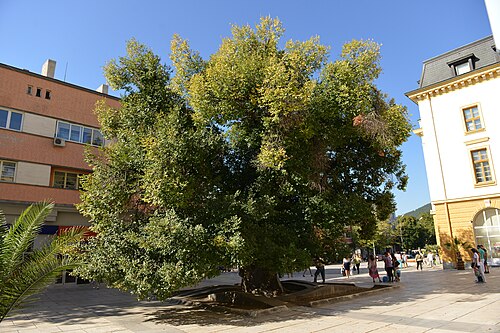
Save Field Elm (Ulmus minor ) · City centre, Sliven
Roughly 900 to 1,100 years old.
Photo: Georgi Angelov (CC BY-SA 4.0)
Sliven →
Chinese Arborvitae (Platycladus orientalis ) · Zhongshan Park
Roughly 900 to 1,100 years old.
Beijing →
Camphor Tree (Cinnamomum camphora ) · Hanaten-higashi, Tsurumi-ku
Roughly 900 to 1,050 years old.
Osaka →
Southern Live Oak (Quercus virginiana ) · Middleton Place plantation gardens, Ashley River, near Summerville
Roughly 900 to 1,000 years old.
Charleston →
Save Camphor Tree (Cinnamomum camphora ) · Imakumano, Higashiyama-ku
Roughly 860 to 870 years old.
Photo: Cakoko23 (CC BY-SA 4.0)
Kyoto →
Save Nagi (Nageia nagi ) · Shingu, within Kumano Hayatama Taisha shrine grounds
Roughly 850 to 1,100 years old.
Photo: さかおり (CC BY-SA 4.0)
Shingu →
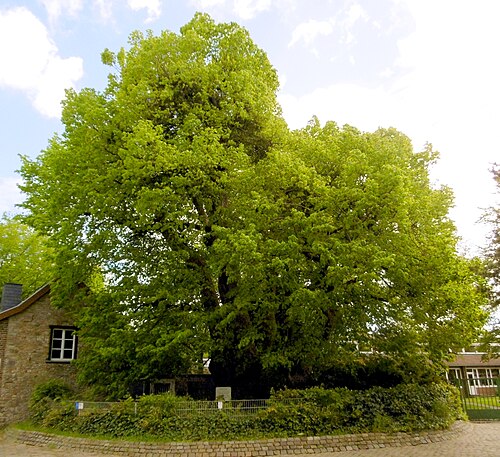
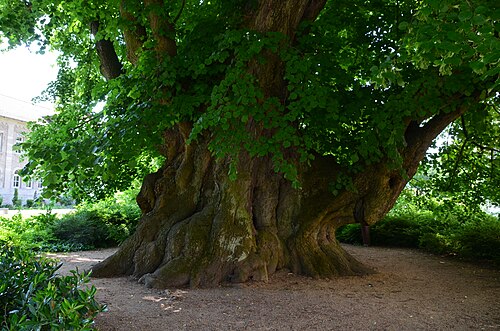
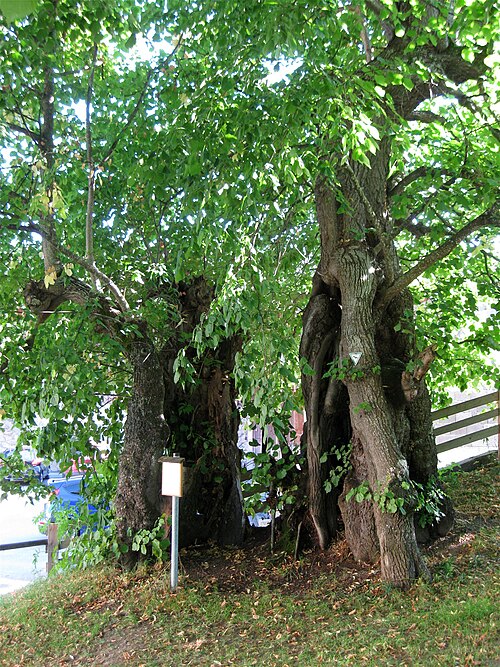
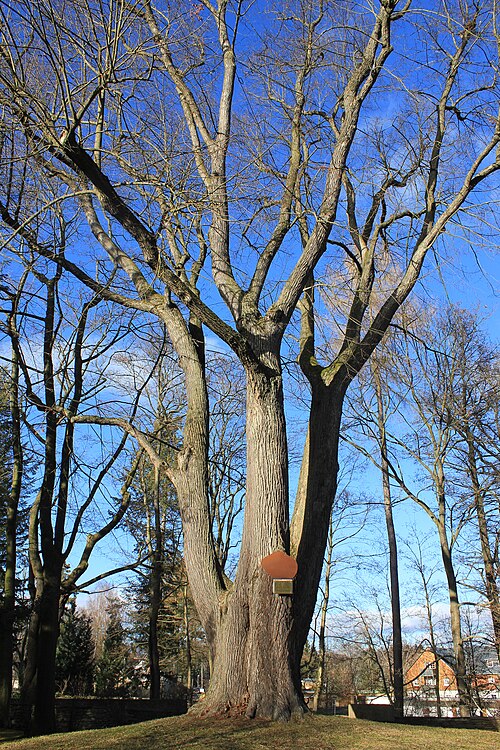
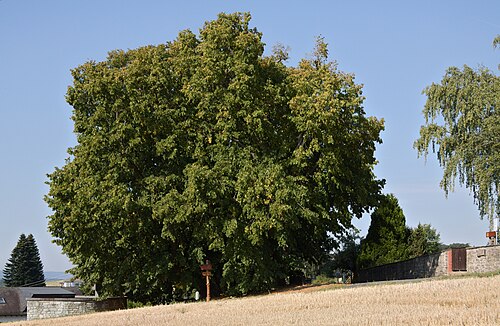
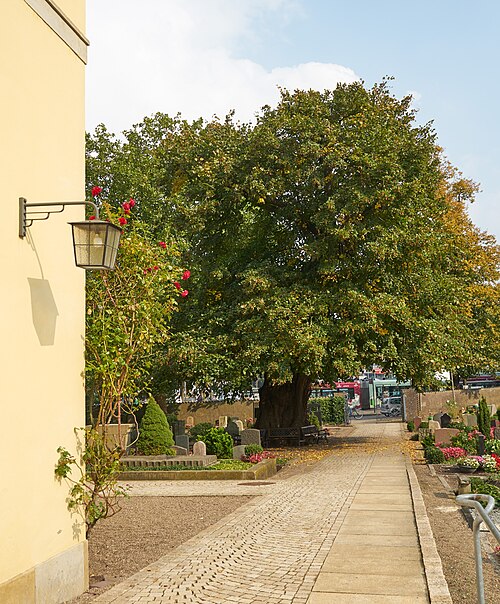
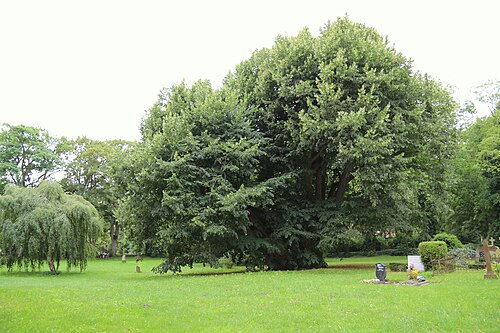
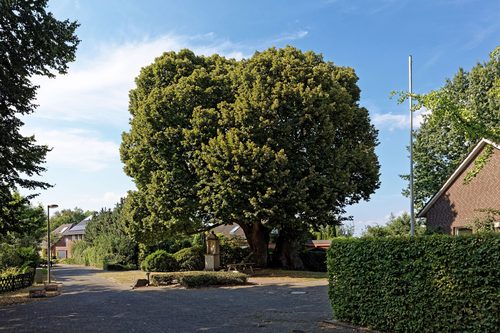
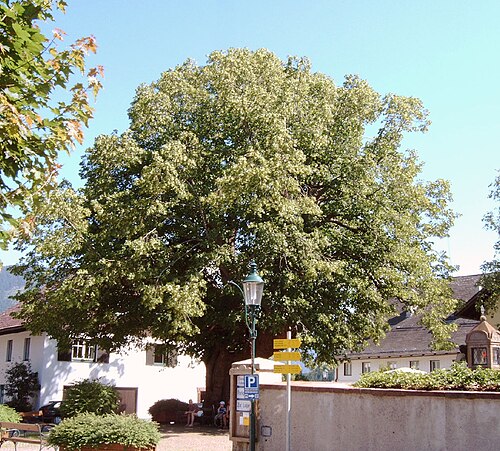
Save Small-leaved Lime (Tilia cordata ) · Forst, Aachen
Roughly 850 to 1,050 years old.
Photo: ArthurMcGill, via Wikimedia Commons, CC BY 3.0 (CC BY 3.0)
Aachen →
Save Ginkgo (Ginkgo biloba ) · Izumiyama, Arita
Roughly 850 to 1,000 years old.
Photo: STA3816 (CC BY-SA 3.0)
Arita →
Holm Oak (Quercus ilex ) · Eremo delle Carceri, a Franciscan hermitage on the wooded slope of Monte Subasio, about 4km from Assisi's centre
Roughly 850 to 1,000 years old.
Assisi →
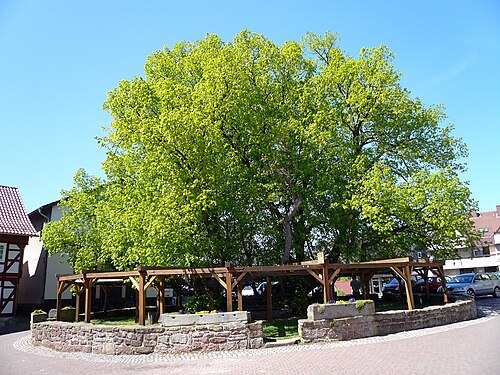
Save Large-leaved Lime (Tilia platyphyllos ) · Königslutter am Elm town centre, beside the Kaiserdom
Roughly 850 to 900 years old.
Photo: C. Löser (CC BY 3.0 de)
Königslutter am Elm →
Olive (Olea europaea ) · Potima area, Xyliatos
Roughly 800 to 1,700 years old.
Cyprus →
Japanese Cedar (Cryptomeria japonica ) · Arakawa
Roughly 800 to 1,200 years old.
Takahagi →
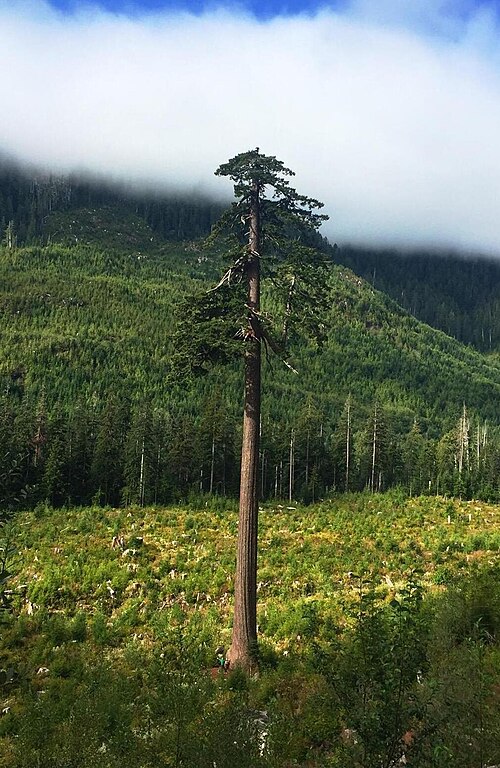
Save Coast Douglas-fir (Pseudotsuga menziesii var. menziesii ) · Gordon River Valley (Tree Farm Licence 46, Pacheedaht traditional territory)
Roughly 800 to 1,200 years old.
Photo: Ryan Cutler (CC BY 4.0)
Port Renfrew →
Save Holm Oak, the carrasca/ballota form (Quercus ilex subsp. ballota ) · Village edge, Lecina
Roughly 800 to 1,200 years old.
Photo: Ayuntamiento de Lecina (CC BY-SA 4.0)
Lecina →
Save Saw-leaf Zelkova (Zelkova serrata ) · Kashiwara
Roughly 800 to 1,200 years old.
Photo: 藤谷良秀(Fujitani Yoshihide) (CC BY-SA 4.0)
Tamba →
Coast Douglas-fir (Pseudotsuga menziesii var. menziesii ) · San Juan River valley (often loosely called 'the Walbran' by visitors, but it sits in the San Juan valley, not the Walbran Valley proper)
Roughly 800 to 1,200 years old.
Port Renfrew →
Save Sweet Chestnut (Castanea sativa ) · Éraudière, Nantes Erdre
Roughly 800 to 1,200 years old.
Photo: François de Dijon (CC BY-SA 4.0)
Nantes →
Save Camphor Tree (Cinnamomum camphora ) · Narazaka
Roughly 800 to 1,200 years old.
Photo: Kochizufan (CC BY-SA 4.0)
Nara →
Saw-leaf Zelkova (Zelkova serrata ) · Haramachi, Higashiagatsuma
Roughly 800 to 1,200 years old.
Higashiagatsuma →
Save Pedunculate Oak (Quercus robur ) · Liernu (Eghezee)
Roughly 800 to 1,200 years old.
Photo: Mortier.Daniel (CC BY-SA 3.0)
Liernu →
Save Western Red Cedar (Thuja plicata ) · Kalaloch Big Cedar Nature Trail, a short flat walk from a signed roadside parking area
Roughly 800 to 1,200 years old.
Photo: rachel_thecat (CC BY-SA 2.0)
Olympic National Park →
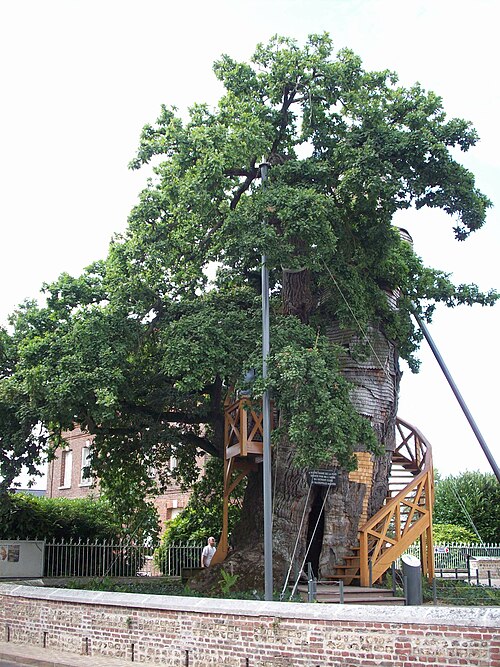
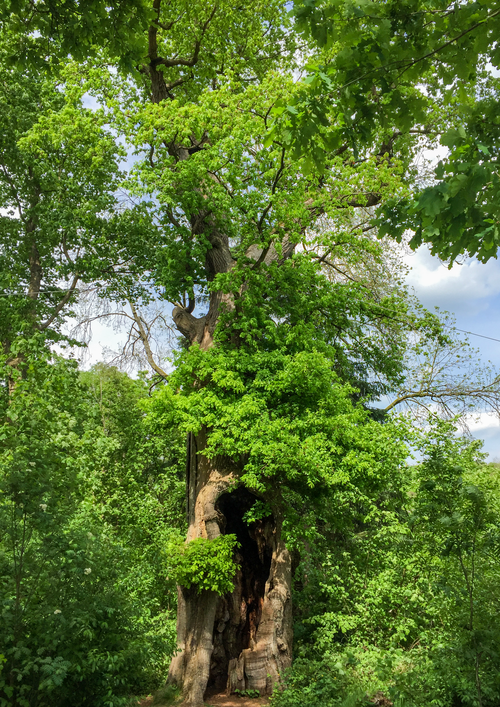
Save Pedunculate Oak (Quercus robur ) · Allouville-Bellefosse village centre
Roughly 800 to 1,200 years old.
Photo: Giogo (CC BY-SA 4.0)
Allouville-Bellefosse →
Oriental Plane (Platanus orientalis ) · Between Koilani and Pera Pedi, Krasochoria wine region
Roughly 800 to 1,200 years old.
Cyprus →
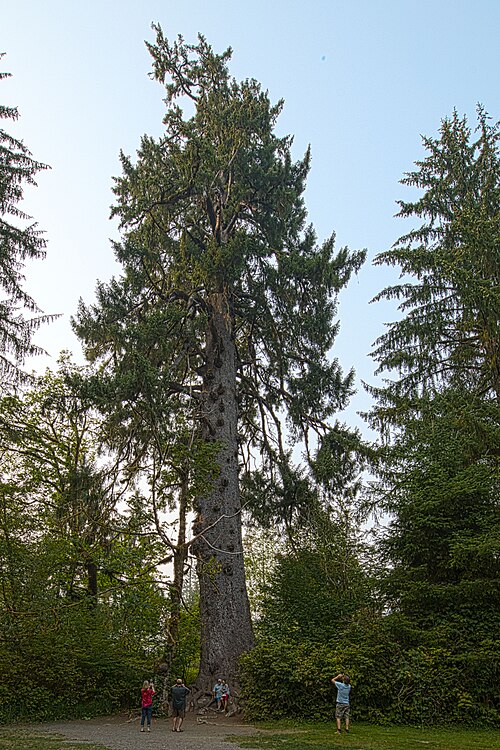
Save Sitka Spruce (Picea sitchensis ) · Big Spruce Trailhead, South Shore Road, at Lake Quinault
Roughly 800 to 1,200 years old.
Olympic National Park →
Miquel's Linden (Tilia miqueliana ) · Hyakusaiji, Higashiomi
Roughly 800 to 1,200 years old.
Higashiomi →
Edo-higan Cherry (Cerasus itosakura , shiro-higan form) · Otama Village
Roughly 800 to 1,000 years old.
Otama →
Sweet Chestnut (Castanea sativa ) · Pianello, Castagniccia
Roughly 800 to 1,000 years old.
Pianello →
Camphor Tree (Cinnamomum camphora ) · Shima-Baba, Itoshima (day trip from Fukuoka)
Roughly 800 to 1,000 years old.
Fukuoka →
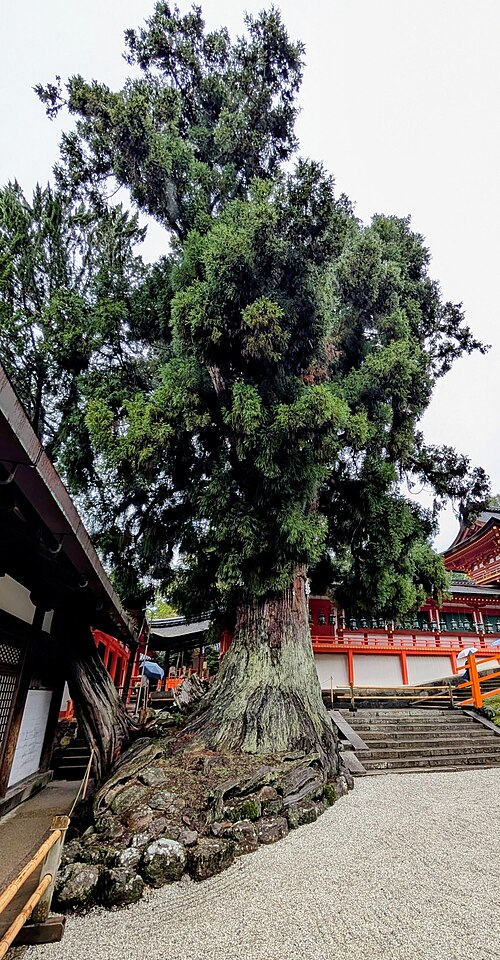
Save Japanese Cedar (Cryptomeria japonica ) · Kasugano
Roughly 800 to 1,000 years old.
Photo: Pufacz (CC BY-SA 4.0)
Nara →
Ginkgo (Ginkgo biloba ) · Bodaiji Temple, Mount Nagi
Roughly 800 to 1,000 years old.
Nagi →
Saw-leaf Zelkova (Zelkova serrata ) · Egusa, Sutama-cho, Hokuto City, Yamanashi Prefecture
Roughly 800 to 1,000 years old.
Hokuto →
Pedunculate Oak (Quercus robur ) · Dubinné, Bardejov District
Roughly 800 to 900 years old.
Dubinné →
Lime (Tilia sp.) · Torslanda, Hisingen
Roughly 800 to 900 years old.
Gothenburg →
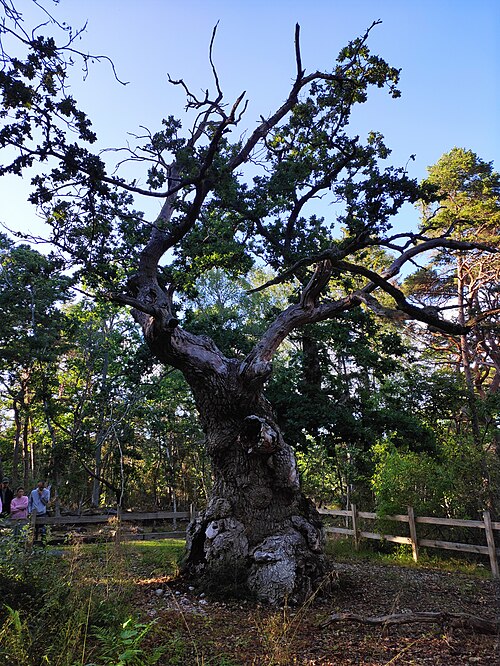
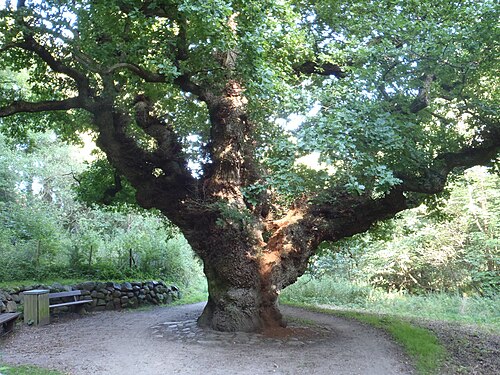
Save Pedunculate Oak (Quercus robur ) · Trollskogen, Boda, Borgholm municipality, Oland
Roughly 800 to 900 years old.
Photo: Fry72, Karel Frydrýšek (CC BY-SA 4.0)
Trollskogen →
Chinese Juniper (Juniperus chinensis ) · Yugawara (a hot-spring town about 6 km from Atami, within the day-trip boundary; not administratively part of Atami)
About 800 years old.
Atami →
Oriental Plane (Platanus orientalis ) · Kastra, Ano Poli
Roughly 780 to 870 years old.
Thessaloniki →
Save Japanese Cedar (Cryptomeria japonica ) · Kohata, Nihonmatsu
Roughly 780 to 800 years old.
Photo: さかおり (CC BY-SA 4.0)
Nihonmatsu →
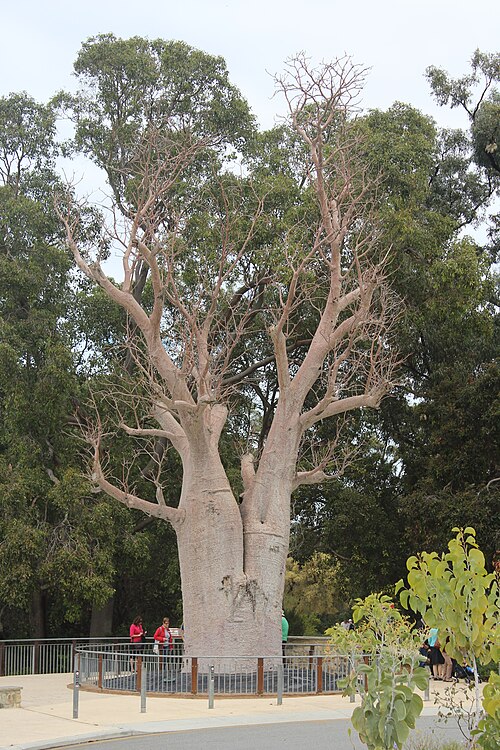
Save Boab (Adansonia gregorii ) · Kings Park
Roughly 750 to 2,000 years old.
Photo: Martinvl (CC BY-SA 4.0)
Perth →
Save Large-leaved Lime (Tilia platyphyllos ) · Wilparting, Irschenberg
Roughly 750 to 1,000 years old.
Photo: Rufus46 (CC BY-SA 3.0)
Wilparting →
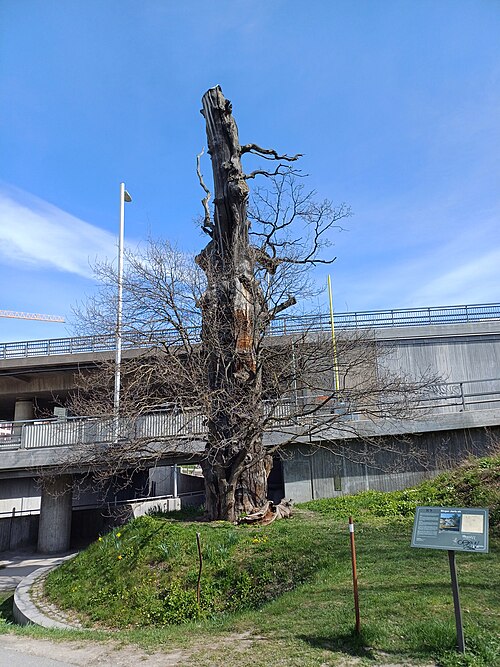
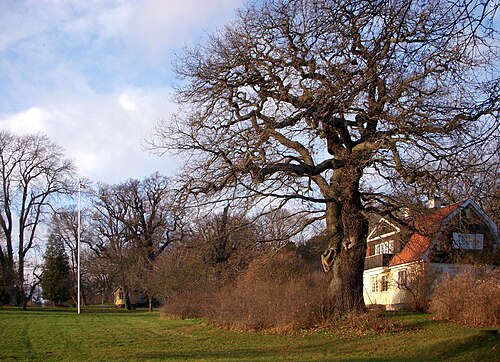
Save Pedunculate Oak (Quercus robur ) · Kristineberg, Kungsholmen
Roughly 750 to 850 years old.
Stockholm →
Save Small-leaved Lime (Tilia cordata ) · Schlosspark Schlettau
Roughly 750 to 850 years old.
Photo: Kora27 (CC BY-SA 3.0)
Schlettau →
Camphor Tree (Cinnamomum camphora ) · Sumiyoshi, Sumiyoshi-ku
Roughly 750 to 850 years old.
Osaka →
Pedunculate Oak (Quercus robur ) · Cajvana
Roughly 735 to 885 years old.
Cajvana →
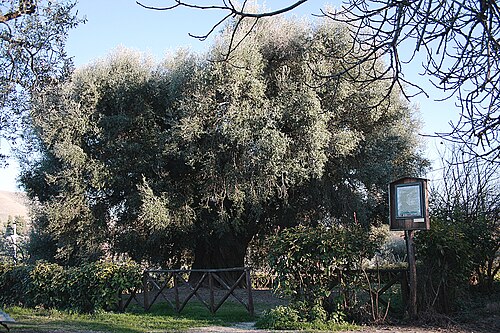
Save Olive (Olea europaea ) · Casale Bertini, Canneto Sabino
Roughly 700 to 2,000 years old.
Photo: Edoardo Berionni Berna (CC BY-SA 4.0)
Fara in Sabina →
European Yew (Taxus baccata ) · Iffley
Roughly 700 to 1,600 years old.
Oxford →
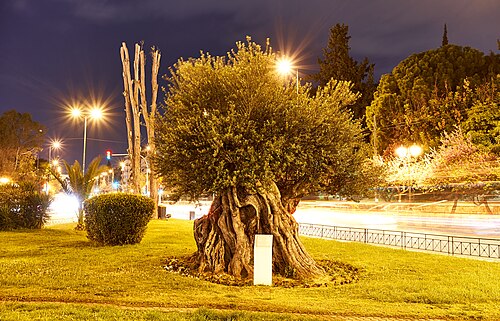
Save Olive (Olea europaea ) · Opposite Evangelismos Hospital, near the Hilton
Roughly 700 to 1,500 years old.
Photo: George E. Koronaios (CC BY-SA 4.0)
Athens →
Yamazakura Cherry, rare double-flowered cultivar (Prunus jamasakura / Prunus itosakura ) · Obora, Gifu
Roughly 700 to 1,200 years old.
Gifu →
Save Large-leaved Lime (Tilia platyphyllos ) · Reinborn, Waldems
Roughly 700 to 1,000 years old.
Photo: Johannes Robalotoff (CC BY-SA 3.0 de)
Reinborn →
Save Japanese Cedar (Cryptomeria japonica ) · Magarikawa, Sakegawa Village
Roughly 700 to 1,000 years old.
Photo: contri from Yonezawa-Shi Yamagata, Japan (CC BY-SA 2.0)
Sakegawa →
Large-leaved Lime (Tilia platyphyllos ) · Gries, St. Georgen im Attergau, Upper Austria
Roughly 700 to 1,000 years old.
St. Georgen im Attergau →
Save Large-leaved Lime (Tilia platyphyllos ) · Niedenstein, Hesse
Roughly 700 to 1,000 years old.
Photo: Cosal (CC BY-SA 4.0)
Niedenstein →
European Yew (Taxus baccata ) · Yvignac-la-Tour
Roughly 700 to 1,000 years old.
Yvignac-la-Tour →
Save Mastic Tree (Pistacia lentiscus ) · Gattone plain, Ghisonaccia
Roughly 700 to 1,000 years old.
Photo: Terre Sauvage (CC BY-SA 4.0)
Ghisonaccia →
Save Japanese Horse Chestnut (Aesculus turbinata ) · Toga
Roughly 700 to 1,000 years old.
Photo: さかおり (CC BY-SA 4.0)
Toga →
Save Saw-leaf Zelkova (Zelkova serrata ) · Nerima
Roughly 700 to 950 years old.
Tokyo →
Save Japanese Cedar (Cryptomeria japonica ) · Mitai, Takachiho
Roughly 700 to 900 years old.
Photo: sk01 (CC BY-SA 3.0)
Takachiho →
Save Lime (Tilia sp.) · Neuenrade town centre
Roughly 700 to 900 years old.
Photo: Bubo (CC BY-SA 3.0)
Neuenrade →
Japanese Cedar (Cryptomeria japonica ) · Mount Horaiji (Horaijisan), Shinshiro
Roughly 700 to 900 years old.
Horaiji →
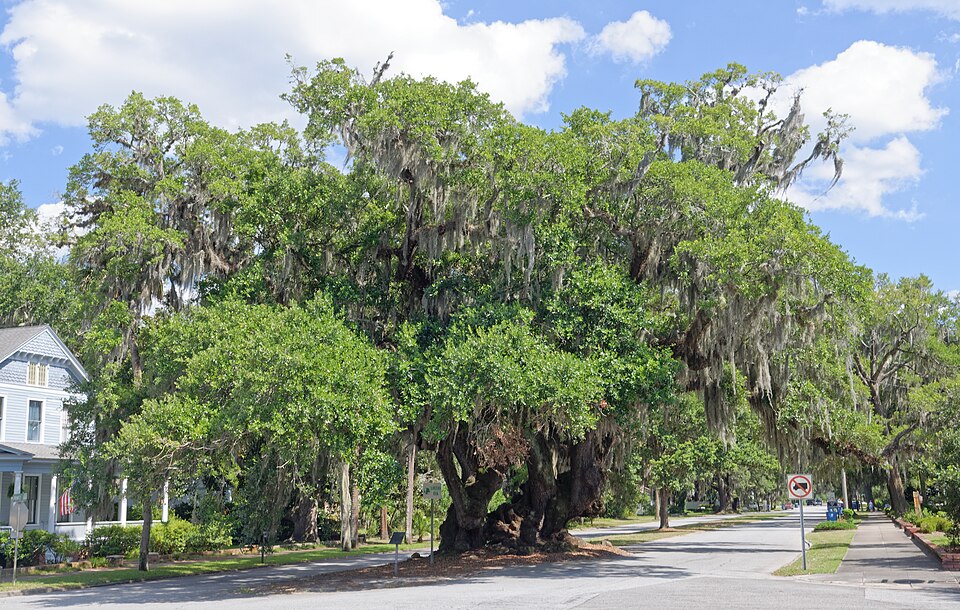
Save Southern Live Oak (Quercus virginiana ) · Standing in the middle of Albany Street, just south of Prince Street, in the historic downtown
Roughly 700 to 900 years old.
Photo: Jud McCranie (CC BY-SA 4.0)
Brunswick, Georgia →
Save Kauri (Agathis australis ) · Warkworth
Roughly 700 to 900 years old.
Parry Kauri Park →
Save Rimu (Dacrydium cupressinum ) · Wilton, Wellington
Roughly 700 to 900 years old.
Photo: Akos Kokai (CC BY 2.0)
Otari-Wilton's Bush →
Save Valonia Oak (Quercus ithaburensis subsp. macrolepis ) · Tricase, Province of Lecce, Puglia
Roughly 700 to 900 years old.
Photo: FedericaPiccinniPhoto (CC BY-SA 4.0)
Tricase →
Crape Myrtle (Lagerstroemia indica ) · Yangjeong-dong
Roughly 700 to 900 years old.
Busan →
Save Japanese Cedar (Cryptomeria japonica ) · Kuju, Taketa
Roughly 700 to 900 years old.
Taketa →
Save Large-leaved Lime (Tilia platyphyllos ) · Collm, Wermsdorf, Nordsachsen
Roughly 700 to 900 years old.
Photo: Uta Schmidt (CC BY-SA 3.0)
Collm →
Southern Live Oak (Quercus virginiana ) · City Park
Roughly 700 to 900 years old.
New Orleans →
Save Japanese Cedar (Cryptomeria japonica ) · Kirishima (day trip from Kagoshima)
Roughly 700 to 900 years old.
Kagoshima →
Save Large-leaved Lime (Tilia platyphyllos ) · Wessobrunn village centre, next to the monastery grounds
Roughly 700 to 900 years old.
Photo: Tanja Sammara (CC BY-SA 3.0)
Wessobrunn →
Save Small-leaved Lime (Tilia cordata ) · Fontaine village centre, beside the town hall
Roughly 700 to 900 years old.
Fontaine →
European Yew (Taxus baccata ) · Jauzé, Sarthe
Roughly 700 to 900 years old.
Jauze →
Ginkgo (Ginkgo biloba ) · Siheung-dong
Roughly 700 to 880 years old.
Seoul →
Save Kaba-zakura, a natural hybrid of Edo Higan and Yamazakura cherries (Cerasus x kabazakura ) · Ishito-shuku
Roughly 700 to 850 years old.
Photo: 京浜にけ (CC BY-SA 3.0)
Kitamoto →
Pedunculate Oak (Quercus robur ) · Lukavice, Chrudim District, Pardubice Region
Roughly 700 to 850 years old.
Lukavice →
Pedunculate Oak (Quercus robur ) · Rogalin, Greater Poland Voivodeship (Rogalin Landscape Park)
Roughly 700 to 850 years old.
Rogalin →
Save Pedunculate Oak (Quercus robur ) · Klampenborg
Roughly 700 to 850 years old.
Photo: Niels Orbesen (CC BY-SA 3.0)
Copenhagen →
Ginkgo (Ginkgo biloba ) · Asakusa, Taito
Roughly 700 to 850 years old.
Tokyo →
Save Japanese Wisteria (Wisteria floribunda ) · Ikeda
Roughly 700 to 850 years old.
Photo: さかおり (CC BY-SA 4.0)
Iwata →
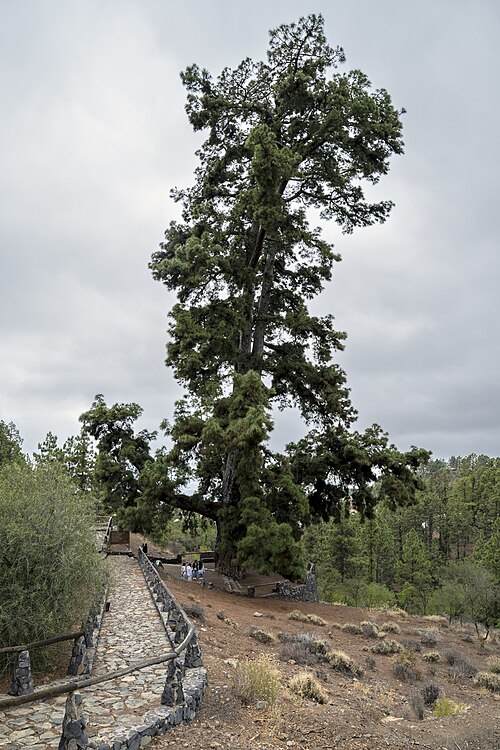
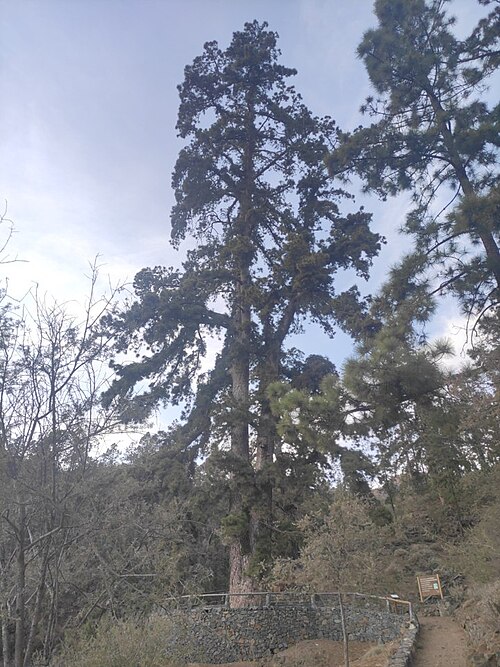
Save Canary Pine (Pinus canariensis ) · Vilaflor de Chasna
Roughly 700 to 800 years old.
Photo: Cayambe (CC BY 4.0)
Tenerife →
Save Swiss Pine (Pinus cembra ) · Val di Fiemme / Lagorai, Passo Manghen area
Roughly 700 to 800 years old.
Photo: Maurizio Ceol (CC BY 3.0)
Passo Manghen →
Pedunculate Oak (Quercus robur ) · Cantaure, rural Landes forest
Roughly 700 to 800 years old.
Luë →
Japanese Nutmeg-yew (Torreya nucifera ) · Noge, Setagaya
Roughly 700 to 800 years old.
Tokyo →
Save Ohatsuki Ginkgo (Ginkgo biloba var. epiphylla ) · Shimoyama, Minobu-cho (about 17 km south of Fujikawaguchiko, within day-trip distance)
Roughly 700 to 800 years old.
Photo: さかおり (CC BY-SA 4.0)
Fujikawaguchiko →
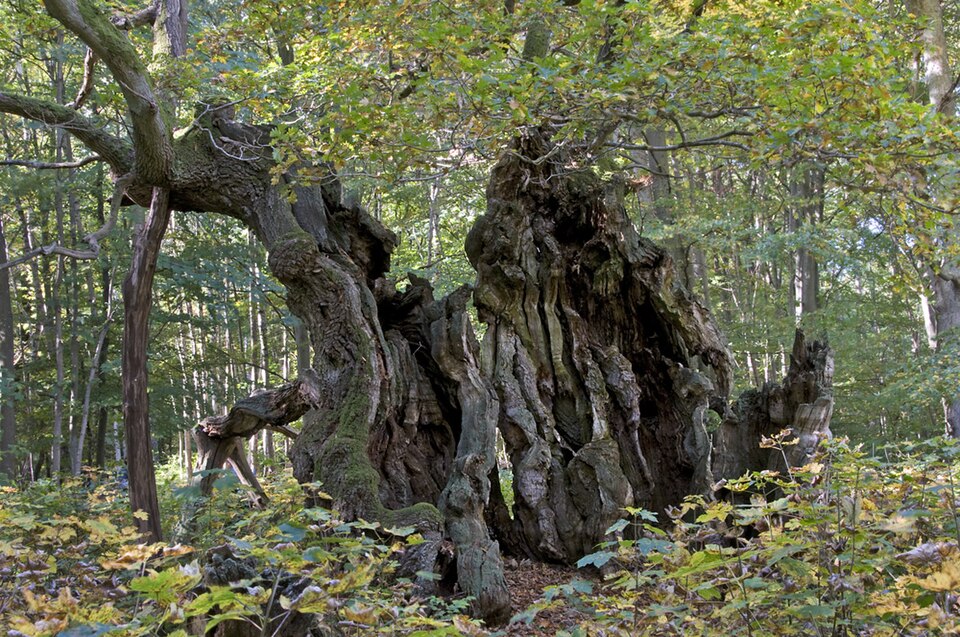
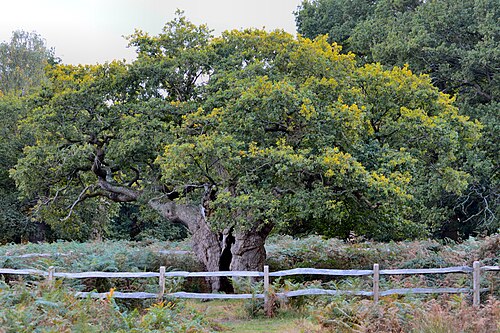
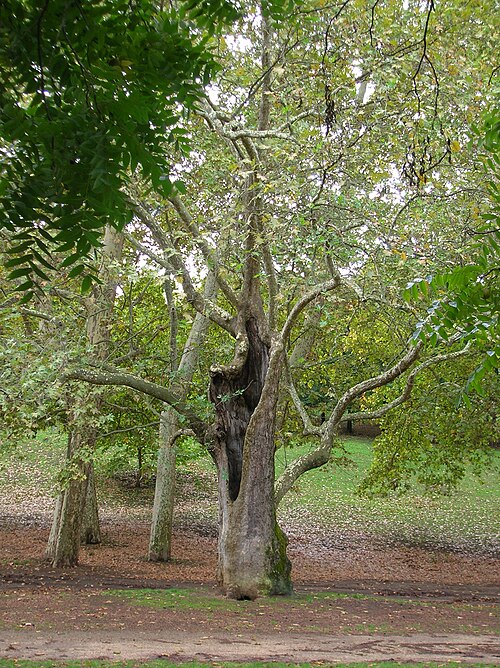
Save Pedunculate Oak (Quercus robur ) · Richmond Park
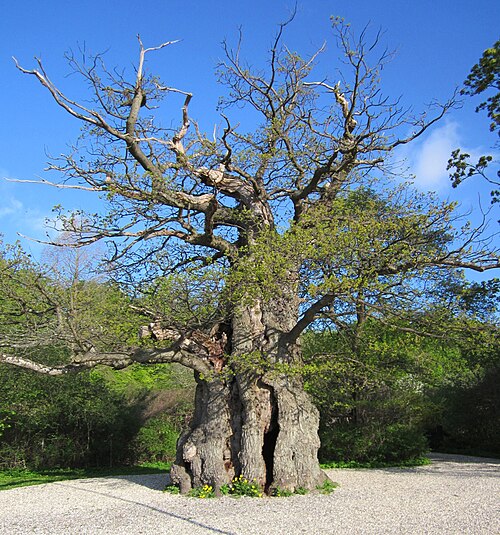
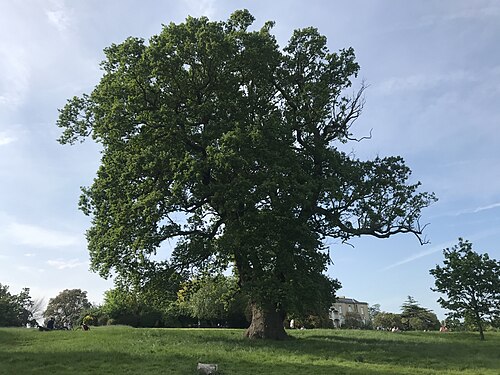
Already centuries old when Charles I walled Richmond Park around it in 1637. A hollow pollard wide enough to shelter a small football team, still surrounded by grazing deer.
Photo: AndyScott (CC BY-SA 4.0)
London →
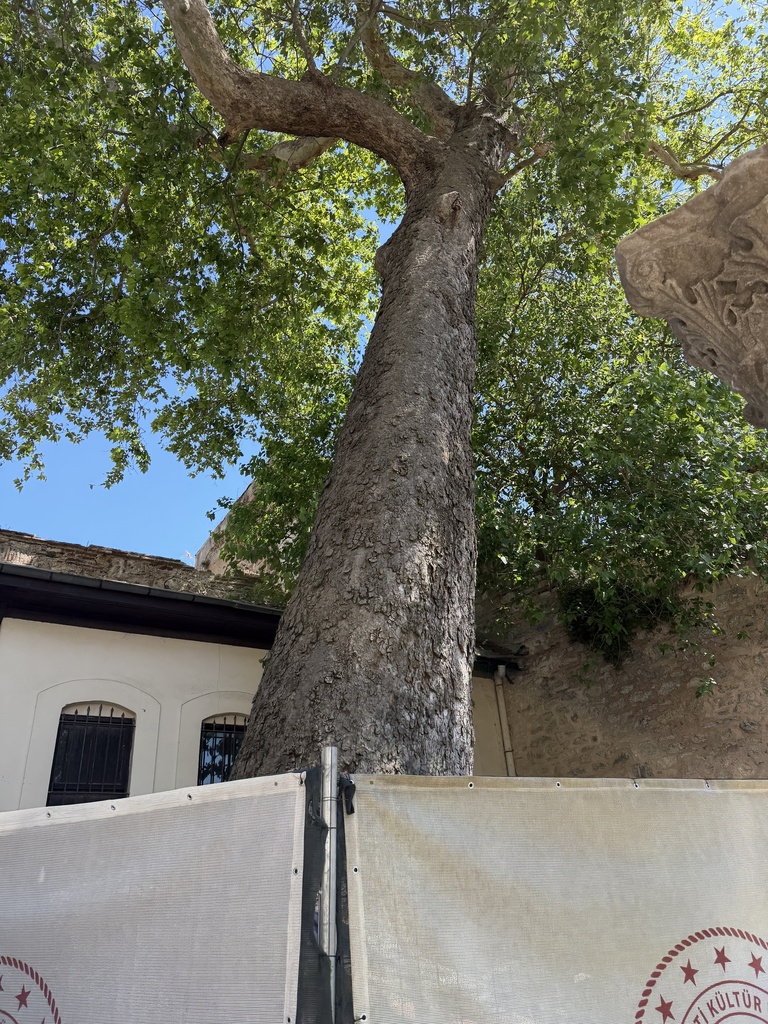
Oriental Plane (Platanus orientalis ) · Cankurtaran, Fatih
Roughly 700 to 800 years old.
Istanbul →
Save Ginkgo (Ginkgo biloba ) · Motoazabu, Minato
Roughly 700 to 800 years old.
Tokyo →
Save Large-leaved Lime (Tilia platyphyllos ) · Munstertor
Roughly 700 to 750 years old.
Photo: Yvonne Bentele (CC BY-SA 3.0)
Telgte →
Save Chinese Juniper (Juniperus chinensis ) · Waryong-dong, Bukchon
Roughly 700 to 750 years old.
Photo: karendotcom127 (CC BY 2.0)
Seoul →
Five to seven hundred years (107) Save
Sweet Osmanthus (Osmanthus fragrans ) · Nakano
Roughly 690 to 760 years old.
Photo: さかおり (CC BY 4.0)
Ora →
Pedunculate Oak (Quercus robur ) · Urvaste, Antsla Parish, Voru County
Roughly 690 to 710 years old.
Urvaste →
Save Japanese White Pine (Pinus parviflora ) · Ohara, Sakyo-ku
Roughly 690 to 710 years old.
Photo: Maechan0360, CC BY-SA 3.0 (CC BY-SA 3.0)
Kyoto →
Akou (Ficus superba var. japonica ) · Narao, Shinkamigoto (Nakadori Island, Goto Islands)
Roughly 670 to 750 years old.
Shinkamigoto →
Save Pedunculate Oak (Quercus robur ) · Danderyd
Roughly 650 to 900 years old.
Photo: Holger.Ellgaard (CC BY-SA 4.0)
Stockholm →
Pedunculate Oak (Quercus robur ) · Ashton Court
Roughly 650 to 750 years old.
Bristol →
Save Chinese Juniper (Juniperus chinensis ) · Ayusawa, Minami-Alps City
Roughly 650 to 750 years old.
Photo: さかおり (CC BY-SA 4.0)
Minami-Alps →
Save Pedunculate Oak (Quercus robur ) · Drnava, Roznava District
Roughly 650 to 750 years old.
Photo: Martin Babarik (CC BY-SA 4.0)
Drnava →
Save Saw-leaf Zelkova (Zelkova serrata ) · Hwayang-dong
Roughly 650 to 700 years old.
Seoul →
Save Taiwan Red Cypress (Chamaecyparis formosensis ) · Alishan National Forest Recreation Area
Roughly 626 to 2,300 years old.
Photo: Felix Filnkoessl (CC BY-SA 2.0)
Alishan →
Jequitiba-rosa (Cariniana legalis ) · Pe de Gigante, Vassununga State Park
Roughly 600 to 3,000 years old.
Vassununga →
Save Large-leaved Lime (Tilia platyphyllos ) · Schenklengsfeld village centre
Roughly 600 to 1,300 years old.
Schenklengsfeld →
Save Oriental Plane (Platanus orientalis ) · Vrisi, Curinga
Roughly 600 to 1,200 years old.
Photo: Antonio Bretti (CC BY-SA 4.0)
Curinga →
Save Ginkgo (Ginkgo biloba ) · Kawabata, Hakata-ku
Roughly 600 to 1,050 years old.
Photo: Hirho (CC BY-SA 4.0)
Fukuoka →
Save Japanese Cedar (Cryptomeria japonica ) · Sugisawa, Nihonmatsu
Roughly 600 to 1,000 years old.
Photo: さかおり (CC BY 4.0)
Nihonmatsu →
Sago Palm (Cycas revoluta ) · Mine Onsen, Kawazu, east coast of the Izu Peninsula
Roughly 600 to 1,000 years old.
Kawazu →
Ginkgo (Ginkgo biloba ) · Shimono, Takachiho
Roughly 600 to 900 years old.
Takachiho →
Save Large-leaved Lime (Tilia platyphyllos ) · Horn-Lehe, Bremen
Roughly 600 to 900 years old.
Photo: Godewind (CC BY-SA 4.0)
Horn-Lehe →
Japanese Nutmeg-yew, left-spiraling variety (Torreya nucifera 'Hidarimakigaya') · Noza, Yabu City, about 5.7km from Tarumi-no-Ozakura
Roughly 600 to 900 years old.
Yabu →
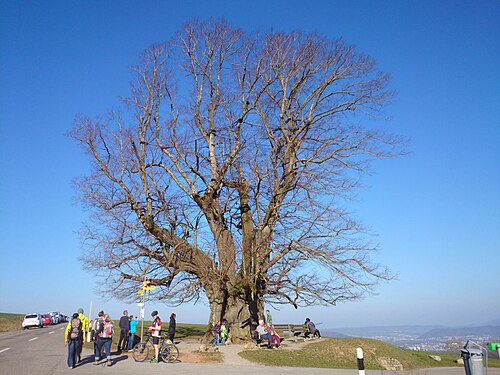
Save Large-leaved Lime (Tilia platyphyllos ) · Linn, Boezberg
Roughly 600 to 900 years old.
Photo: Potentiam (CC BY-SA 3.0)
Zurich →
Save Large-leaved Lime (Tilia platyphyllos ) · Polchow, near Laage
Roughly 600 to 800 years old.
Photo: Markus Göllnitz (CC BY-SA 4.0)
Polchow →
Save Large-leaved Lime (Tilia platyphyllos ) · Effeltrich village centre
Roughly 600 to 800 years old.
Photo: Ermell (CC BY-SA 4.0)
Effeltrich →
Save Oak (Quercus sp.) · Nationalpark Hainich (Kammerforst/Muehlhausen area)
Roughly 600 to 800 years old.
Photo: Quaster64 (CC BY-SA 4.0)
Hainich National Park →
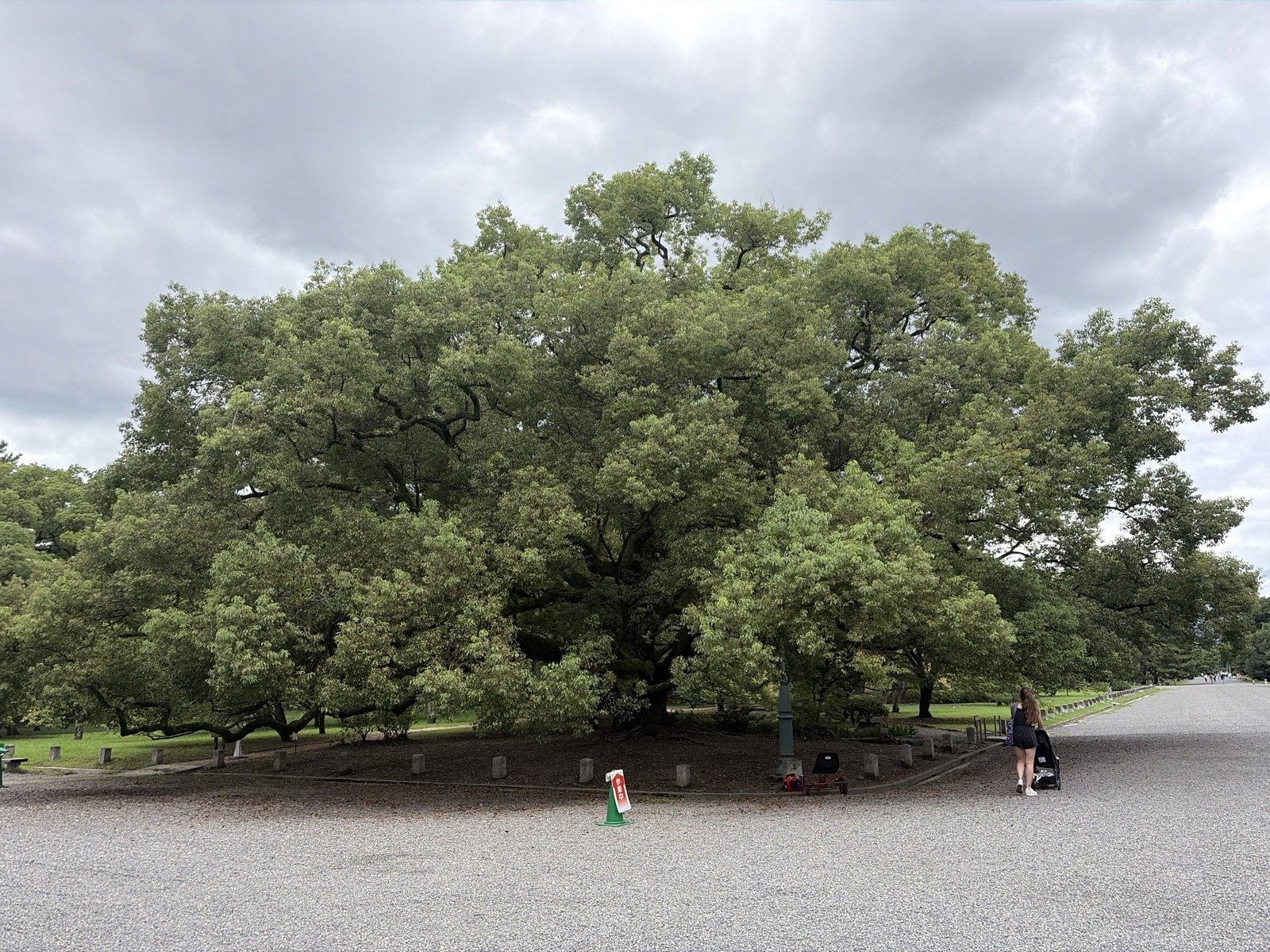
Save Camphor Tree (Cinnamomum camphora ) · Kyoto Gyoen, Kamigyo-ku
Roughly 600 to 800 years old.
Kyoto →
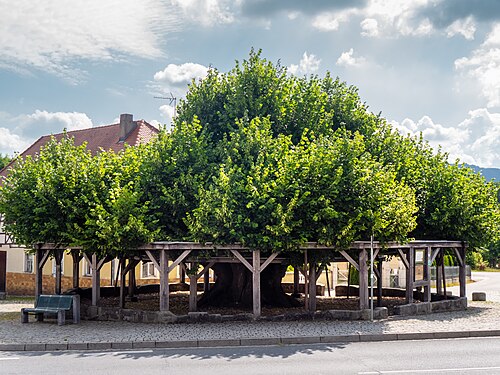
Save Large-leaved Lime (Tilia platyphyllos ) · Zlatá Koruna village, near Český Krumlov
Roughly 600 to 800 years old.
Photo: Xth-Floor (CC BY-SA 3.0)
Cesky Krumlov →
Pedunculate Oak (Quercus robur ) · Kopanicka hill, Male Karpaty Protected Landscape Area, above Lozorno
Roughly 600 to 800 years old.
Lozorno →
Ginkgo (Ginkgo biloba ) · Kitakata
Roughly 600 to 800 years old.
Kitakata →
Save Small-leaved Lime (Tilia cordata ) · Lipka, Horni Bradlo, Chrudim District, Zelezne hory Protected Landscape Area
Roughly 600 to 800 years old.
Photo: Lubor Ferenc (CC BY-SA 4.0)
Horni Bradlo →
Save Pedunculate Oak (Quercus robur ) · Pranie, Ruciane-Nida commune, Warminsko-Mazurskie voivodeship
Roughly 600 to 800 years old.
Photo: Marta Reszka (CC BY-SA 3.0)
Pisz Forest →
Save Large-leaved Lime (Tilia platyphyllos ) · Heede, Samtgemeinde Doerpen, Emsland
Roughly 600 to 800 years old.
Photo: Mirko Liesebach (CC BY-SA 4.0)
Heede →
Save Pedunculate Oak (Quercus robur ) · Boetersheim
Roughly 600 to 800 years old.
Photo: Aeroid (CC BY-SA 4.0)
Boetersheim →
Save European Yew (Taxus baccata ) · Blarney
Roughly 600 to 800 years old.
Photo: UtDicitur (CC BY-SA 4.0)
Cork →
Save Saw-leaf Zelkova (Zelkova serrata ) · Tsuchida, Oyodo
Roughly 600 to 800 years old.
Photo: Nankou Oronain (as36… (CC BY-SA 3.0)
Oyodo →
Save Ohatsuki Ginkgo (Ginkgo biloba var. epiphylla ) · Shimoyama, Minobu, about 750 metres from fjk_002 (Jotakuji) and 1.65 km from fjk_003 (Yagisawa), the same Shimoyama-area cluster of nationally designated Ohatsuki ginkgos
Roughly 600 to 750 years old.
Photo: さかおり (CC BY-SA 4.0)
Fujikawaguchiko →
Save Pedunculate Oak (Quercus robur ) · Vieštovėnai village, Plungė district
Roughly 600 to 700 years old.
Photo: Vilensija (CC BY-SA 3.0)
Plunge →
Save Ginkgo (Ginkgo biloba ) · Zoshigaya, Toshima
Roughly 600 to 700 years old.
Tokyo →
Large-leaved Lime (Tilia platyphyllos ) · Teleci village, Zdarske vrchy protected landscape area
Roughly 600 to 700 years old.
Teleci →
Japanese Black Pine (Pinus thunbergii ) · Higashi-Koiwa, Edogawa Ward
Roughly 600 to 700 years old.
Tokyo →
Japanese Cedar (Cryptomeria japonica ) · Ayagaya, Kabe-cho, Asakita-ku (Mount Fukuo)
Roughly 600 to 650 years old.
Hiroshima →
Large-leaved Lime (Tilia platyphyllos ) · Turá Lúka, Myjava
Roughly 600 to 650 years old.
Myjava →
Save Japanese White Pine (Pinus parviflora ) · Oharano, Nishikyo-ku
Roughly 600 to 650 years old.
Photo: PlusMinus (CC BY-SA 3.0)
Kyoto →
Save Pedunculate Oak (Quercus robur ) · Ursynow
Roughly 600 to 640 years old.
Warsaw →
Save Large-leaved Lime (Tilia platyphyllos ) · Réaumont village centre
Roughly 600 to 630 years old.
Photo: Jvillafruela (CC BY-SA 4.0)
Reaumont →
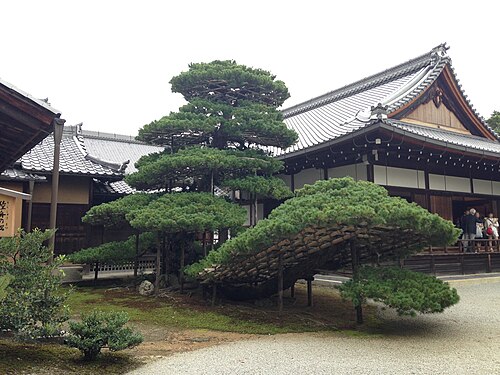
Save Japanese White Pine (Pinus parviflora ) · Kinkakuji, Kita-ku
Roughly 590 to 620 years old.
Photo: そらみみ (Soramimi) (CC BY-SA 4.0)
Kyoto →
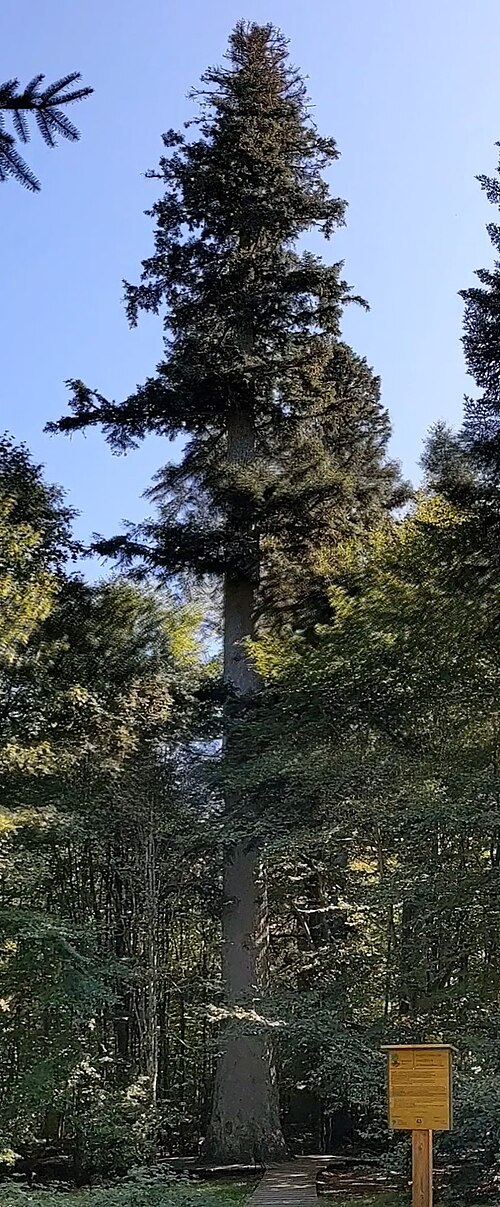
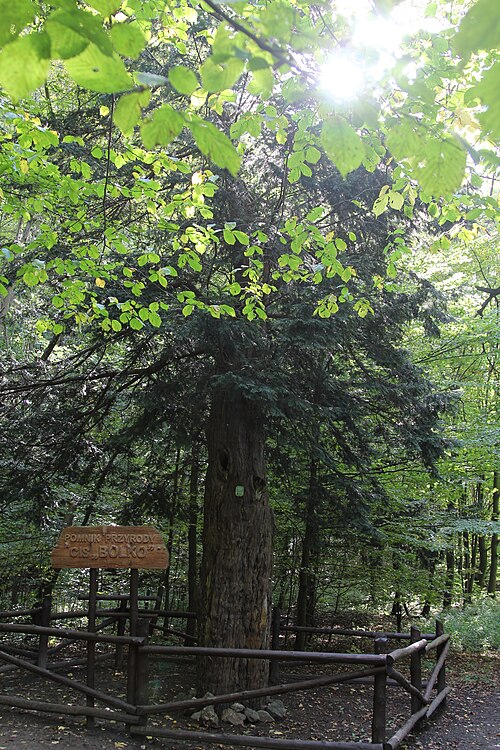
Save Silver Fir (Abies alba ) · Zwieslerwaldhaus, Nationalpark Bayerischer Wald
Roughly 580 to 630 years old.
Photo: Andred12 (CC BY-SA 4.0)
Zwieslerwaldhaus →
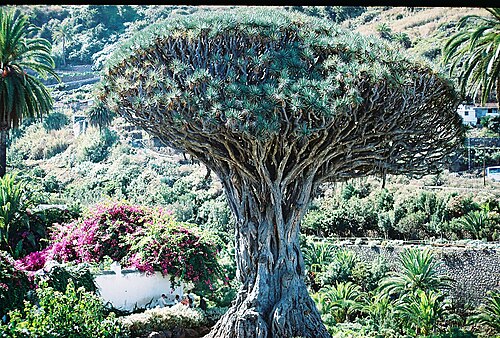
Save Dragon Tree (Dracaena draco ) · Icod de los Vinos
Roughly 550 to 1,000 years old.
Photo: Андрей Колычев (CC BY 3.0)
Tenerife →
Save Ginkgo (Ginkgo biloba ) · Banghak-dong
Roughly 550 to 830 years old.
Photo: Mechurii (CC BY-SA 3.0)
Seoul →
Ginkgo (Ginkgo biloba ) · Oji, Kita
Roughly 550 to 700 years old.
Tokyo →
Oriental Plane (Platanus orientalis ) · Zagrade, Garmen
Roughly 550 to 700 years old.
Garmen →
Save Kauri (Agathis australis ) · Warkworth
Roughly 550 to 650 years old.
Photo: ShakyIsles (CC BY-SA 4.0)
Parry Kauri Park →
Sweet Chestnut (Castanea sativa ) · Ashton Court
Roughly 550 to 650 years old.
Bristol →
Save Camphor Tree (Cinnamomum camphora ) · Ueno, Taito
Roughly 550 to 650 years old.
Photo: stephen (CC BY)
Tokyo →
Ginkgo (Ginkgo biloba ) · Wuta Temple (Five Pagoda Temple)
Roughly 550 to 620 years old.
Beijing →
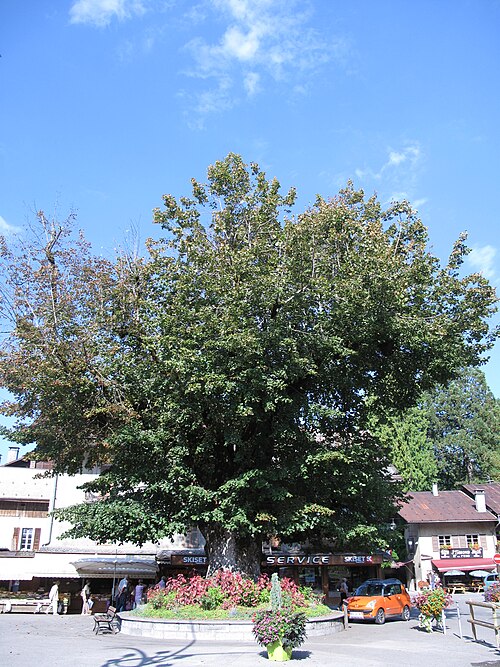
Save Large-leaved Lime (Tilia platyphyllos ) · Village centre
Roughly 550 to 600 years old.
Samoëns →
Save Pedunculate Oak (Quercus robur ) · Sendling-Westpark
Roughly 550 to 600 years old.
Photo: Tkarcher (CC BY-SA 4.0)
Munich →
Save Large-leaved Lime (Tilia platyphyllos ) · Puch (Fürstenfeldbruck)
Roughly 500 to 1,200 years old.
Photo: GFreihalter (CC BY-SA 3.0)
Munich →
Save Sago Palm (Cycas revoluta ) · Kataoka, Yoshida
Roughly 500 to 1,000 years old.
Photo: さかおり (CC BY-SA 4.0)
Yoshida →
Sea Fig (Ficus superba ) · Yuno, Sakurajima
Roughly 500 to 1,000 years old.
Kagoshima →
Nagi (Nageia nagi ) · Kasugano
Roughly 500 to 1,000 years old.
Nara →
Save European Yew (Taxus baccata ) · Ormiston, East Lothian (day-trip distance from Edinburgh, ~16.7km)
Roughly 500 to 1,000 years old.
Edinburgh →
Save Pedunculate Oak (Quercus robur ) · La Rue-Éon, Forêt de Paimpont
Roughly 500 to 1,000 years old.
Photo: franek2 (CC BY-SA 3.0)
Concoret →
Save Large-leaved Lime (Tilia platyphyllos ) · Kaditz
Roughly 500 to 1,000 years old.
Photo: DynaMoToR, CC BY-SA 3.0 (CC BY-SA 3.0)
Dresden →
Pedunculate Oak (Quercus robur ) · Bierbaum an der Safen
Roughly 500 to 1,000 years old.
Bad Blumau →
European Yew (Taxus baccata ) · Stanmer Park
Roughly 500 to 1,000 years old.
Brighton →
Save Lime hybrid (Tilia platyphyllos x euchlora ) · Tatobity, Semily District, Liberec Region, on the edge of the Cesky raj (Bohemian Paradise)
Roughly 500 to 1,000 years old.
Photo: Lenka Grossmannová (CC BY-SA 4.0)
Tatobity →
Save Pedunculate Oak (Quercus robur ) · Tegel, Reinickendorf
Roughly 500 to 900 years old.
Photo: Maculata (CC BY-SA 3.0)
Berlin →
Southern Live Oak (Quercus virginiana ) · City Park
Roughly 500 to 900 years old.
New Orleans →
Camphor Tree (Cinnamomum camphora ) · Kitazako, Kita Ward, Kumamoto
Roughly 500 to 800 years old.
Ueki →
Save Common Camellia (Camellia japonica ) · Oidani, Himi City
Roughly 500 to 800 years old.
Photo: さかおり (CC BY-SA 4.0)
Himi →
Broad-leaf Ehretia (Ehretia macrophylla ) · Dazaifu, about 35 min from Tenjin
Roughly 500 to 800 years old.
Fukuoka →
Save Small-leaved Lime (Tilia cordata ) · Scheessel town centre
Roughly 500 to 800 years old.
Photo: Yvonne Bentele (CC BY-SA 3.0)
Scheessel →
Pedunculate Oak (Quercus robur ) · Valentin (parish of Tineo)
Roughly 500 to 700 years old.
Valentin →
European Yew (Taxus baccata ) · Newcastle-Lyons, West Dublin
Roughly 500 to 700 years old.
Dublin →
Montezuma Cypress (Taxodium mucronatum ) · Barrio de Santa Catarina, Azcapotzalco
Roughly 500 to 700 years old.
Mexico City →
Holm Oak (Quercus ilex ) · Eraul (a hamlet of the Deierri/Valle de Yerri valley), about 500m east of the village on the track towards Abartzuza
Roughly 500 to 700 years old.
Eraul →
Pedunculate Oak (Quercus robur ) · Orgryte
Roughly 500 to 700 years old.
Gothenburg →
Save Japanese Nutmeg-yew (Torreya nucifera ) · Motosawai, Hamana Ward, Hamamatsu, about 8.5 km from Iwata
Roughly 500 to 700 years old.
Photo: さかおり (CC BY-SA 4.0)
Iwata →
Save Pedunculate Oak (Quercus robur ) · Kybarčiai
Roughly 500 to 700 years old.
Photo: Vilensija (CC BY-SA 3.0)
Kybarciai →
Pyrenean Oak (Quercus pyrenaica ) · Villamudria, a hamlet of the municipality of Rabanos, Burgos
Roughly 500 to 700 years old.
Villamudria →
Save Pedunculate Oak (Quercus robur ) · Herne Hill / Brixton
Roughly 500 to 700 years old.
Photo: Hopefully Acceptable Username (CC BY-SA 4.0)
London →
Pedunculate Oak (Quercus robur ) · Calvos, Povoa de Lanhoso, Braga district
Roughly 500 to 700 years old.
Calvos →
Small-leaved Lime (Tilia cordata ) · Cielętniki village, near Częstochowa
Roughly 500 to 700 years old.
Cielętniki →
European Yew (Taxus baccata ) · Craigends, Houston
Roughly 500 to 700 years old.
Craigends →
Save Oak (Quercus sp.) · Robenhausen, Zurich Oberland
Roughly 500 to 700 years old.
Photo: Roland zh (CC BY-SA 3.0)
Robenhausen →
Save Pedunculate Oak (Quercus robur ) · Nerthe, Magescq, Landes
Roughly 500 to 700 years old.
Photo: Blef00fr (CC BY-SA 4.0)
Magescq →
Lime (Tilia sp.) · Dorf, Macugnaga
Roughly 500 to 700 years old.
Macugnaga →
Save Pedunculate Oak (Quercus robur ) · Volkenroda
Roughly 500 to 700 years old.
Photo: Rainer Lippert
Volkenroda →
European Yew (Taxus baccata ) · Nicorps, Manche
Roughly 500 to 700 years old.
Nicorps →
Pedunculate Oak (Quercus robur ) · Deblin
Roughly 500 to 650 years old.
Deblin →
Save Pedunculate Oak (Quercus robur ) · Pažaislis, within Kauno marios regioninis parkas (Kaunas Lagoon Regional Park)
Roughly 500 to 650 years old.
Photo: Vilensija (CC BY-SA 3.0)
Kaunas →
Large-leaved Lime (Tilia platyphyllos ) · Hochneukirchen
Roughly 500 to 650 years old.
Hochneukirchen-Gschaidt →
White Oak (Quercus alba ) · North side of Logan, Hocking County
Roughly 500 to 650 years old.
Logan, Ohio →
Chinese Juniper (Juniperus chinensis ) · Temple of Heaven Park
Roughly 500 to 620 years old.
Beijing →
Save Kapok (Ceiba pentandra ) · Historic centre, Chiapa de Corzo
Roughly 500 to 600 years old.
Photo: Wolfgang Sauber (CC BY-SA 3.0)
Chiapa de Corzo →
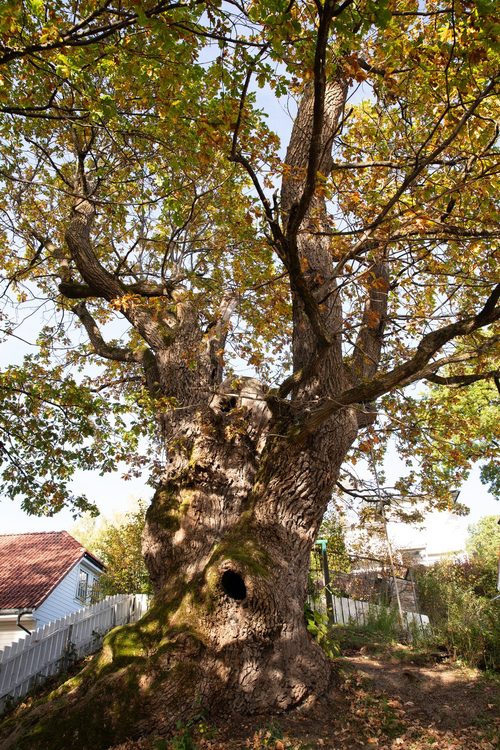
Save Pedunculate Oak (Quercus robur ) · Montebello
Roughly 500 to 600 years old.
Photo: Ingar Sørensen
Oslo →
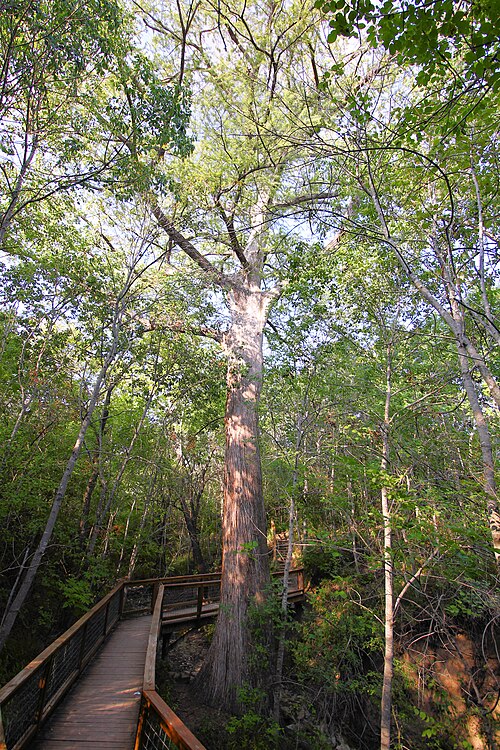
Save Bald Cypress (Taxodium distichum ) · Southeast Austin
Roughly 500 to 600 years old.
Photo: Larry D. Moore (CC BY 4.0)
Austin →
Save Canary Pine (Pinus canariensis ) · Vilaflor de Chasna
Roughly 500 to 600 years old.
Photo: Fry72 (CC BY-SA 4.0)
Tenerife →
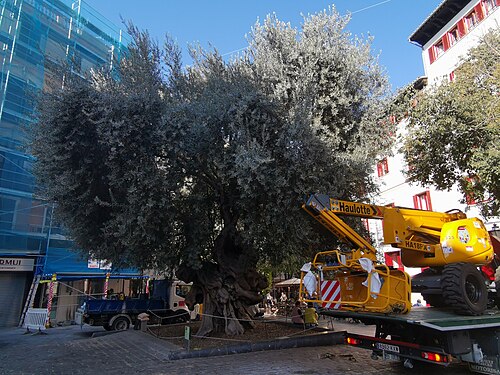
Save Olive (Olea europaea ) · Old town, Palma
Roughly 500 to 600 years old.
Photo: Z thomas (CC BY-SA 4.0)
Palma de Mallorca →
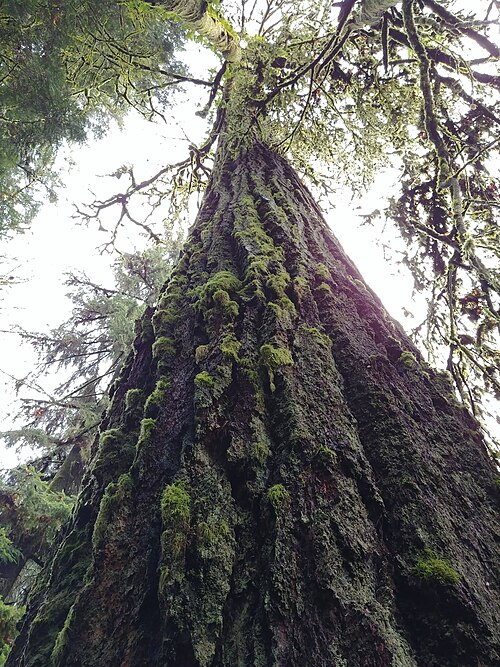
Save Douglas Fir (Pseudotsuga menziesii ) · Holmes Point, Kirkland
Roughly 500 to 600 years old.
Photo: Bri (CC BY-SA 4.0)
Seattle →
Holm Oak (Quercus ilex ) · Escorca, Serra de Tramuntana
Roughly 500 to 600 years old.
Mallorca →
Save Large-leaved Lime (Tilia platyphyllos ) · Asbeck, Legden
Roughly 500 to 600 years old.
Photo: Rainer Lippert
Münsterland →
Large-leaved Lime (Tilia platyphyllos ) · Laer
Roughly 500 to 600 years old.
Münsterland →
Lacebark Pine (Pinus bungeana ) · Jae-dong, Bukchon
Roughly 500 to 600 years old.
Seoul →
Pedunculate Oak (Quercus robur ) · Zámocký park, Malacky
Roughly 500 to 600 years old.
Malacky →
Save Small-leaved Lime (Tilia cordata ) · Aubers, Weppes, Hauts-de-France
Roughly 500 to 550 years old.
Photo: Pierre André Leclercq (CC BY-SA 4.0)
Aubers →
Save Boab (Adansonia gregorii ) · Derby Town Commonage, ~4-6km south of Derby township, on the road toward the Gibb River Road
About 500 years old.
Photo: W. Bulach (CC BY-SA 4.0)
Derby →
Phoenician Juniper (Juniperus phoenicea ) · Ses Salines Natural Park, Formentera
About 500 years old.
Formentera →
Four to five hundred years (99) Save Ombu (Phytolacca dioica ) · Isla de la Cartuja
Roughly 480 to 500 years old.
Photo: Anual (CC BY 3.0)
Seville →
Pedunculate Oak (Quercus robur ) · Sēja
Roughly 470 to 530 years old.
Sēja →
Save Large-leaved Lime (Tilia platyphyllos ) · Himmelsberg, Kirchhain
Roughly 450 to 1,000 years old.
Photo: Hydro (CC BY-SA 3.0)
Himmelsberg →
Pedunculate Oak (Quercus robur ) · Jērcēnu parish
Roughly 450 to 825 years old.
Jērcēni →
Save Large-leaved Lime (Tilia platyphyllos ) · Burg Coppenbrügge (castle wall)
Roughly 450 to 750 years old.
Photo: Den man tau, via Wikimedia Commons, CC BY-SA 4.0 (CC BY-SA 4.0)
Coppenbrügge →
Save Pedunculate Oak (Quercus robur ) · Wiśniowa village park
Roughly 450 to 650 years old.
Photo: Janusz Krzyżek (CC BY-SA 4.0)
Wiśniowa →
Pedunculate Oak (Quercus robur ) · Gaillon, on the edge of the Forêt de Meudon
Roughly 450 to 550 years old.
Viroflay →
Save Lime (Tilia sp.) · Gornja Stubica town centre
Roughly 450 to 550 years old.
Photo: Public institutions archive (CC BY-SA 4.0)
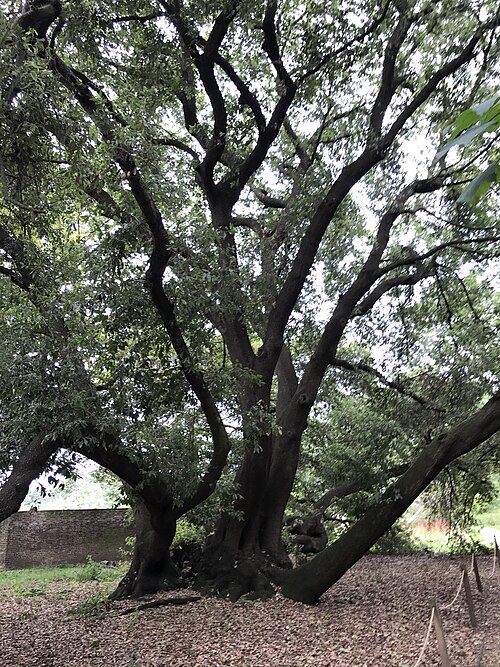
Gornja Stubica →
Sweet Chestnut (Castanea sativa ) · Acton, Wrexham
Roughly 450 to 550 years old.
Wrexham →
Save Sycamore (Acer pseudoplatanus ) · Darnley
Roughly 450 to 550 years old.
Glasgow →
Mastic Tree (Pistacia lentiscus ) · Florya, Bakırköy
Roughly 450 to 550 years old.
Istanbul →
Save Holm Oak (Quercus ilex ) · Fulham
Five centuries old partly because people kept cutting it back: coppicing paradoxically resets a tree's clock. It grows in the gardens of the Bishop of London's former palace.
Photo: Hopefully Acceptable Username (CC BY-SA 4.0)
London →
Save Large-leaved Lime (Tilia platyphyllos ) · Erdmannrode (district of Schenklengsfeld)
Roughly 450 to 550 years old.
Photo: Yvonne Bentele, via Wikimedia Commons, CC BY-SA 4.0 (CC BY-SA 4.0)
Erdmannrode →
Small-leaved Lime (Tilia cordata ) · Schlagsdorf village churchyard
Roughly 450 to 550 years old.
Schlagsdorf →
Save Sweet Chestnut (Castanea sativa ) · Časta, Pezinok District
Roughly 450 to 550 years old.
Photo: TomphanTK (CC BY-SA 4.0)
Časta →
Saw-leaf Zelkova (Zelkova serrata ) · Kanayama, Aizuwakamatsu
Roughly 450 to 550 years old.
Aizuwakamatsu →
Silver Fir (Abies alba ) · Cheile Cibinului, Gura Raului
Roughly 450 to 550 years old.
Cheile Cibinului →
Small-leaved Lime (Tilia cordata ) · Leliceni (Csíkszentlélek)
Roughly 450 to 550 years old.
Leliceni →
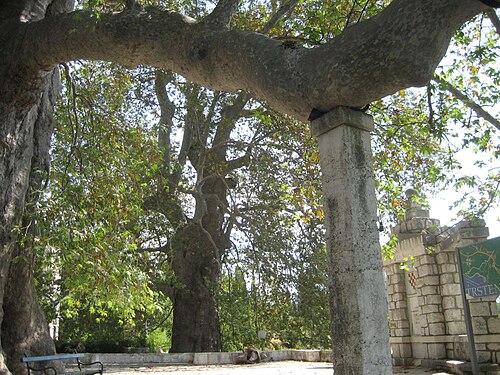
Save Oriental Plane (Platanus orientalis ) · Trsteno
Roughly 450 to 550 years old.
Dubrovnik →
European Yew (Taxus baccata ) · Waverley Abbey
Roughly 450 to 550 years old.
Farnham →
Save Large-leaved Lime (Tilia platyphyllos ) · Borgo Sant'Orso, Aosta
Roughly 450 to 500 years old.
Photo: Geobia (CC BY-SA 3.0)
Aosta →
Edo-higan Cherry (Prunus itosakura ) · Shokawa, overlooking Miboro Lake
Roughly 450 to 500 years old.
Shokawa →
Edo Higan Cherry (Prunus itosakura , syn. Prunus pendula f. ascendens ) · Otemachi, Iida
Roughly 450 to 500 years old.
Iida →
Save Olive (Olea europaea ) · Alcântara
Roughly 450 to 465 years old.
Photo: Vampiregrave (CC BY-SA 4.0)
Lisbon →
Pedunculate Oak (Quercus robur ) · Dabie, on the edge of Park Szczytnicki
Roughly 440 to 460 years old.
Wroclaw →
Save Mexican Cypress (Cupressus lusitanica ) · Antequeruela
Roughly 438 to 444 years old.
Photo: Jose Manuel ("Mazintosh") (CC BY 2.0)
Granada →
Pedunculate Oak (Quercus robur ) · Kings Weston
Roughly 420 to 480 years old.
Bristol →
Save Oriental Plane (Platanus orientalis ) · Alemdar, Fatih
Roughly 420 to 446 years old.
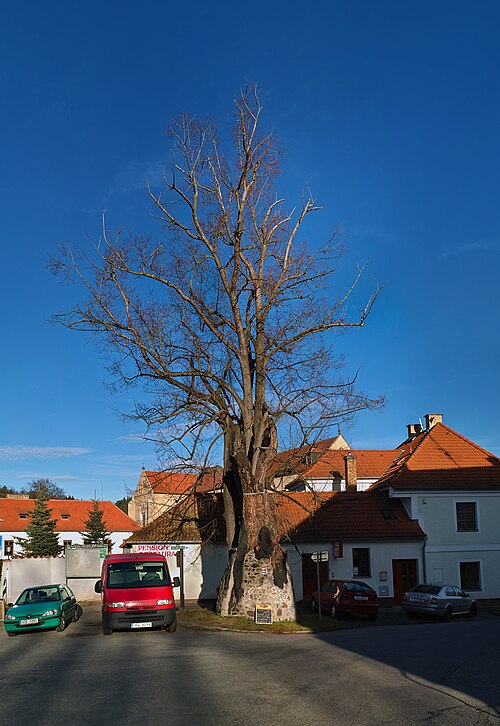
Photo: Luke Padon (CC BY 4.0)
Istanbul →
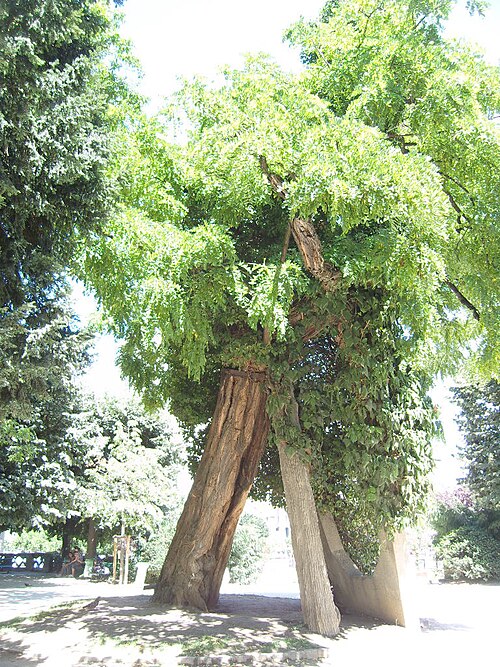
Save Black Locust (Robinia pseudoacacia ) · Latin Quarter, 5th arrondissement
The oldest tree in Paris, planted in 1601 by the king's herbalist and still flowering opposite Notre-Dame. The entire Robinia genus is named after the man who planted it.
Photo: Ordifana75 (CC BY-SA 3.0)
Paris →
Lime (Tilia sp.), a 'Tilleul de Sully' · Pesselières, Sougères-en-Puisaye, Yonne, Burgundy
Roughly 420 to 430 years old.
Pesselieres →
Japanese Holly (Ilex integra ) · Chikubushima (Chikubu Island), Lake Biwa
Roughly 420 to 425 years old.
Chikubushima →
Save Oriental Plane (Platanus orientalis ) · Villa Borghese, Pinciano
Roughly 415 to 430 years old.
Photo: Patafisik (CC BY-SA 3.0)
Rome →
Save Large-leaved Lime (Tilia platyphyllos ) · Taubensee, Ramsau bei Berchtesgaden, Berchtesgadener Land
Roughly 400 to 1,000 years old.
Photo: Rainer Lippert
Ramsau bei Berchtesgaden →
Save Sessile Oak (Quercus petraea ) · Calderstones Park, Allerton
Roughly 400 to 1,000 years old.
Photo: Jill Jennings (CC BY-SA 4.0)
Liverpool →
European Yew (Taxus baccata ) · Nedvedice, Zdar nad Sazavou District, Vysocina Region
Roughly 400 to 1,000 years old.
Nedvedice →
Save Large-leaved Lime (Tilia platyphyllos ) · Faistenau (Flachgau)
Roughly 400 to 1,000 years old.
Photo: Heinz-Peter Deska (CC BY-SA 3.0)
Salzburg →
Camphor Tree (Cinnamomum camphora ) · Kiyotake
Roughly 400 to 900 years old.
Miyazaki →
Save European Yew (Taxus baccata ) · Książ, Wałbrzych
Roughly 400 to 800 years old.
Photo: Pnapora (CC BY-SA 3.0)
Książ →
Pedunculate Oak (Quercus robur ) · Hniszów, on the Bug river
Roughly 400 to 800 years old.
Hniszów →
Pedunculate Oak (Quercus robur ) · Charleville Forest Estate
Roughly 400 to 800 years old.
Tullamore →
Save Pedunculate Oak (Quercus robur ) · Lyngby Aamose, Kongens Lyngby
Roughly 400 to 800 years old.
Photo: Finn Årup Nielsen (CC BY-SA 4.0)
Copenhagen →
Save Japanese Cedar (Cryptomeria japonica ) · Mitai, Takachiho
Roughly 400 to 800 years old.
Takachiho →
Sweet Chestnut (Castanea sativa ) · Istan
Roughly 400 to 800 years old.
Ronda →
Jarrah (Eucalyptus marginata ) · Armadale
Roughly 400 to 800 years old.
Perth →
Pedunculate Oak (Quercus robur ) · Pagramantis Regional Park
Roughly 400 to 700 years old.
Pagramantis Regional Park →
Pedunculate Oak (Quercus robur ) · Dresdner Heide / Langebruck
Roughly 400 to 700 years old.
Dresden →
Kermes Oak (Quercus coccifera ) · Kalopanagiotis village, Marathasa valley
Roughly 400 to 700 years old.
Cyprus →
Large-leaved Lime (Tilia platyphyllos ) · Rimov, Cesky Krumlov District, South Bohemia
Roughly 400 to 660 years old.
Rimov →
Save Pedunculate Oak (Quercus robur ) · Ekerö
Roughly 400 to 600 years old.
Photo: Holger.Ellgaard (CC BY-SA 4.0)
Ekerö →
Fig (Ficus sp.) · Campalanas, Lazi
Roughly 400 to 600 years old.
Siquijor →
Save Ohatsuki Ginkgo (Ginkgo biloba var. epiphylla ) · Hachimancho, Mito
Roughly 400 to 600 years old.
Photo: DrTerraKhan (CC BY-SA 3.0)
Mito →
Save Large-leaved Lime (Tilia platyphyllos ) · Baldenhain, Vogtland/Thuringia border
Roughly 400 to 600 years old.
Photo: Michael Wolf (Webseite) (CC BY-SA 3.0)
Baldenhain →
Save Holm Oak (Quercus ilex ) · Escorca, Serra de Tramuntana
Roughly 400 to 600 years old.
Photo: Rafael Medina (CC BY)
Mallorca →
Oak (Quercus sp.) · Belvoir / Galwally, south Belfast
Roughly 400 to 600 years old.
Belfast →
Pedunculate Oak (Quercus robur ) · Brimmon, on the edge of Newtown, Powys
Roughly 400 to 600 years old.
Newtown →
Save Camphor Tree (Cinnamomum camphora ) · Hongo, Bunkyo, Tokyo
Roughly 400 to 600 years old.
Photo: Degueulasse (CC BY 3.0)
Tokyo →
Save Small-leaved Lime (Tilia cordata ) · Bioul (Anhee)
Roughly 400 to 600 years old.
Photo: Jean-Pol GRANDMONT (CC BY 2.5)
Bioul →
Japanese Nutmeg-yew (Torreya nucifera ) · Honmaru
Roughly 400 to 600 years old.
Nagoya →
Save Large-leaved Lime (Tilia platyphyllos ) · Brielow, Gemeinde Beetzsee
Roughly 400 to 600 years old.
Photo: Peter Troendlin (CC BY-SA 4.0)
Brielow →
Sessile Oak (Quercus petraea ) · Achnacarry, Lochaber
Roughly 400 to 600 years old.
Achnacarry →
Save Texas Live Oak (Quercus fusiformis ) · West Line Historic District
Roughly 400 to 600 years old.
Photo: Larry D. Moore (CC BY 4.0)
Austin →
Save Pedunculate Oak (Quercus robur ) · Wolfheze, Renkum, Gelderland
Roughly 400 to 600 years old.
Photo: WeeJeeVee (CC BY-SA 4.0)
Wolfheze →
Oriental Plane (Platanus orientalis ) · Bahçeköy, Sarıyer
Roughly 400 to 580 years old.
Istanbul →
Save Pedunculate Oak (Quercus robur ) · Pocysterski Zespol Klasztorno-Palacowy park, Rudy
Roughly 400 to 550 years old.
Photo: Marek Mroz (CC BY 4.0)
Rudy →
Save Sugar Maple (Acer saccharum ) · North Pelham / Fenwick, Niagara region
Roughly 400 to 541 years old.
Photo: Mac Armstrong (CC BY-SA 2.0)
Pelham →
Save Ginkgo (Ginkgo biloba ) · Myeongnyun-dong
Roughly 400 to 507 years old.
Seoul →
Save Sycamore (Acer pseudoplatanus ) · The Ramsau plateau, at the Feistererhof
Roughly 400 to 500 years old.
Photo: SchiDD (CC BY-SA 4.0)
Ramsau am Dachstein →
Holm Oak (Quercus ilex ) · Alfuri de Dalt, Ciutadella
Roughly 400 to 500 years old.
Menorca →
Douglas Fir (Pseudotsuga menziesii ) · Doerner Fir Trailhead, reached via a mostly-paved BLM forest road with a final 4.5 miles of gravel
Roughly 400 to 500 years old.
Coos Bay →
Save Pedunculate Oak (Quercus robur ) · Stapel, Amt Neuhaus
Roughly 400 to 500 years old.
Photo: Rainer Lippert
Amt Neuhaus →
Save Large-leaved Lime (Tilia platyphyllos ) · Bargischow, near Anklam
Roughly 400 to 500 years old.
Photo: Martin Thurow (Ma.Thu at de.wikipedia) (CC BY-SA 3.0)
Bargischow →
Wild Cherry / Yamazakura (Cerasus jamasakura ) · Isshingyo Park, Minamiaso
Roughly 400 to 500 years old.
Minamiaso →
Small-leaved Lime (Tilia cordata ) · Liškiava, within Dzūkijos nacionalinis parkas (Dzūkija National Park)
Roughly 400 to 500 years old.
Liškiava →
Douglas Fir (Pseudotsuga menziesii ) · Seward Park
Roughly 400 to 500 years old.
Seattle →
Save Pedunculate Oak (Quercus robur ) · Tiergarten (Zoologischer Garten), Mitte
Roughly 400 to 500 years old.
Photo: Istriana (CC BY-SA 4.0)
Berlin →
Pedunculate Oak (Quercus robur ) · Landgoed Verwolde, Laren, Gelderland (Lochem municipality)
Roughly 400 to 500 years old.
Laren, Gelderland →
Chinese Arborvitae (Platycladus orientalis ) · Ditan Park (Temple of Earth)
Roughly 400 to 500 years old.
Beijing →
Save Ginkgo (Ginkgo biloba ) · Hibiya, Chiyoda
Roughly 400 to 500 years old.
Photo: Mark Yasuda (Myasuda) (CC BY-SA 4.0)
Tokyo →
Save Pedunculate Oak (Quercus robur ) · Tegel, Reinickendorf
Roughly 400 to 500 years old.
Photo: Fridolin freudenfett (CC BY-SA 4.0)
Berlin →
Save Pedunculate Oak (Quercus robur ) · Fleringen, Tubbergen, Overijssel
Roughly 400 to 500 years old.
Photo: Tubantia (CC BY-SA 3.0)
Fleringen →
European Beech (Fagus sylvatica ) · Montagne Noire, near Sorèze
Roughly 400 to 500 years old.
Sorèze →
Save Pedunculate Oak (Quercus robur ) · Reyersviller, Pays de Bitche, Moselle
Roughly 400 to 500 years old.
Photo: Didivo67 (CC BY-SA 4.0)
Reyersviller →
White Mulberry (Morus alba ) · Town centre, Veliki Preslav
Roughly 400 to 500 years old.
Veliki Preslav →
Pedunculate Oak (Quercus robur ) · Užupis / Old Town
Roughly 400 to 500 years old.
Vilnius →
Save Oriental Plane (Platanus orientalis ) · Beykoz
Roughly 400 to 500 years old.
Photo: Nanahuatl (CC BY-SA 4.0)
Istanbul →
Large-leaved Lime (Tilia platyphyllos ) · Muhlacker, below the Spitalbastei
Roughly 400 to 480 years old.
Rothenburg ob der Tauber →
Save Black Mulberry (Morus nigra ) · Groton, near Sudbury
Roughly 400 to 480 years old.
Photo: Oliver Dixon (CC BY-SA 2.0)
Groton →
Save Oriental Plane (Platanus orientalis ) · Les Clayes-sous-Bois
Roughly 400 to 470 years old.
Photo: Polymagou (CC BY-SA 4.0)
Les Clayes-sous-Bois →
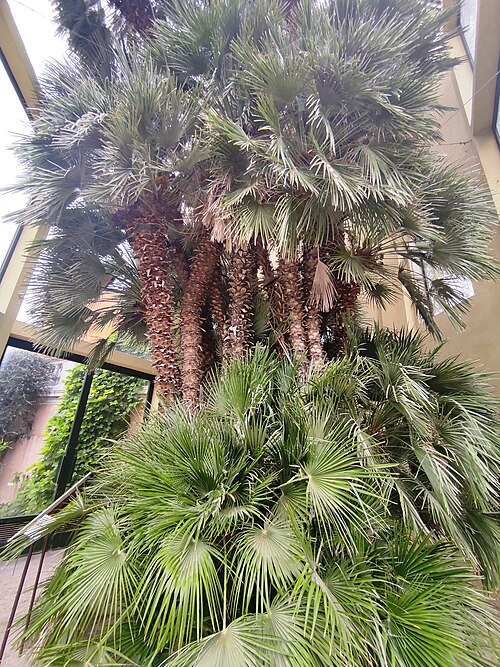
Save European Fan Palm / Saint Peter's Palm (Chamaerops humilis ) · Orto Botanico (UNESCO World Heritage botanical garden, founded 1545)
Roughly 400 to 460 years old.
Photo: Palickap (CC BY-SA 4.0)
Padua →
Pedunculate Oak (Quercus robur ) · Dębina, near Jelcz-Laskowice
Roughly 400 to 450 years old.
Dębina →
Save Pedunculate Oak (Quercus robur ) · Norra Djurgarden
Roughly 400 to 450 years old.
Photo: Holger.Ellgaard (CC BY-SA 3.0)
Stockholm →
Save Pedunculate Oak (Quercus robur ) · Offenbach city forest
Roughly 400 to 450 years old.
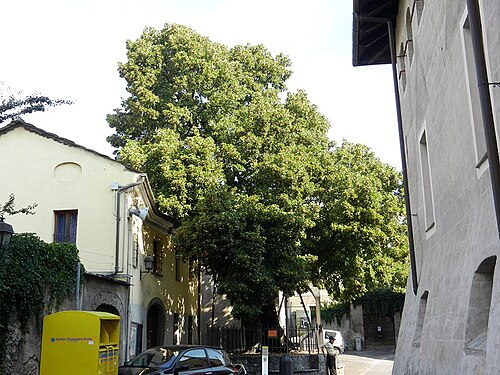
Photo: Lucas Willem Danehl (CC BY-SA 4.0)
Frankfurt →
Australian Grass Tree (Xanthorrhoea preissii ) · Queen's Quarter, Belfast
Roughly 400 to 450 years old.
Belfast →
Pedunculate Oak (Quercus robur ) · Hrádek u Sušice, about 4km from Sušice
Roughly 400 to 440 years old.
Hrádek u Sušice →
Save Small-leaved Lime (Tilia cordata ) · Bystrc
Roughly 400 to 430 years old.
Photo: Martin Strachoň, CC BY-SA 4.0 (CC BY-SA 4.0)
Brno →
Lime (Tilia sp.) · Innimond village centre
Roughly 400 to 425 years old.
Innimond →
Save English Elm (Ulmus procera ) · Preston Park
Roughly 400 to 420 years old.
Brighton →
Save Large-leaved Lime (Tilia platyphyllos ) · Kaditz
Roughly 400 to 404 years old.
Photo: Rainer Lippert
Dresden →
Save Small-leaved Lime (Tilia cordata ) · Châteauvieux hamlet, 1.5 km west of Féternes centre
About 400 years old.
Photo: Camster (CC BY-SA 4.0)
Feternes →
Explore by city: Leiden · Brussels · Brisbane · Seville · Munich · Tokyo · Seattle · Lisbon · every city