Seasons1 of 4
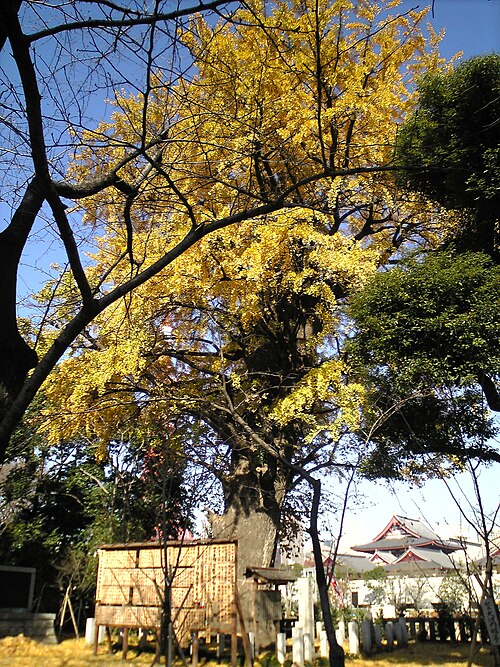
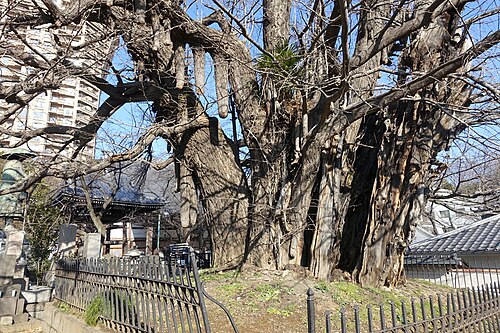
An engineer once bet his own head on this tree's survival, and won. In 1901, city planners preparing to build Hibiya Park, Japan's first Western-style public park, needed the road at its edge widened, and this 400-year-old ginkgo stood directly in the way. Honda Seiroku, the park's designer, refused to let it be felled and reportedly told his superiors he would offer his own head if the transplant failed. Over 25 days in 1902, laborers moved the tree roughly 450 meters to its current spot, an operation that reportedly needed 20,000 kan, close to 75 tons, of root ball and trunk. It worked, and the tree kept the nickname Kubikake Icho, the Head-Betting Ginkgo, ever since. It survived a second scare in 1971, when a firebomb thrown by a radical group during a protest burned down the neighboring Matsumotoro restaurant and scorched the ginkgo black; it leafed out again the following spring. Honda kept his head. The tree, seven meters around and still growing, kept its park.
From people who stood here
No notes yet
Did you visit the tree? Leave a note for the next visitor.
Getting there
Hibiya Park, near Hibiya Matsumotoro, 1-6 Hibiyakoen, Chiyoda-ku, Tokyo 100-0012
You can recognise it by the trunk, about seven metres round, on the ginkgo that was moved 450 metres across the park in 1902 rather than felled for the road. It stands at the edge of Hibiya Park beside the Matsumotoro restaurant.
3 min walk from Hibiya Station (Hibiya/Chiyoda/Mita lines)
Autumn colour
late November, at the peak of its golden colour
The line is our estimate of how much there is to see, not a measurement. Typical for this species where this tree stands; exact weeks shift with the year.
Sources
Where the facts on this page come from. The story was written with AI from these sources, and readers who know the tree correct it.