The Plane of 't Zwik
NetherlandsEnschedeCort van der Lindelaan
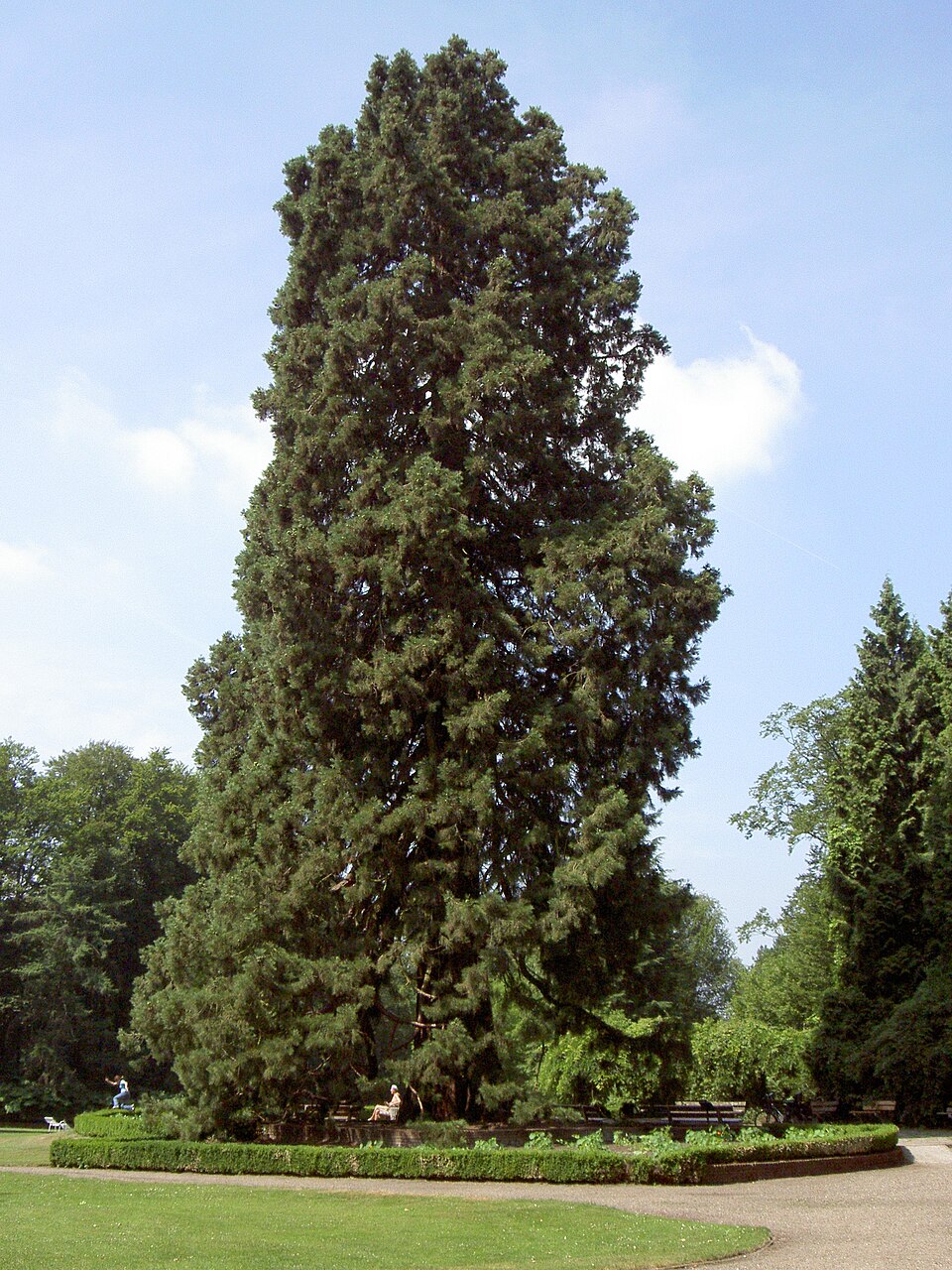
There was a country house here called 't Zwik and there is a street pattern instead. The city bought the place in 1917 to expand into, and built over it through the 1920s and 1930s, which was the ordinary fate of the smaller estates on the edge of a town whose population was climbing with every new mill. The house went. What survived is planting: this plane, and, sixty to a hundred metres to the west, an oak and a beech that the register also identifies as remnants of the same grounds. That is a useful thing to know while standing here. Three trees at three points along a street are not a coincidence, they are the last legible trace of a garden, and if you draw a line between them you are walking somebody's approach. The plane is the easiest of the three to spot: flaking bark in cream, olive and grey, big maple-shaped leaves, and the bristly round seed balls that hang on through the winter. Planes are the great survivors of city building. They tolerate compacted soil, root disturbance, pollution and hard pruning better than anything else of their size, which is exactly why this one is still here and the house is not.
The line is our estimate of how much there is to see, not a measurement. Typical for this species where this tree stands; exact weeks shift with the year.
Cort van der Lindelaan, near the TubantiasingelCamouflage-patterned flaking bark, near the Tubantiasingel end of the street.
Free. Street tree on public ground.
About 1.5 km west of Enschede station, on the Cort van der Lindelaan.
Sources
Where the facts on this page come from.
- In the official register: Landelijk Register Monumentale Bomen (Bomenstichting), no. 1678435
- monumentalebomen.nl
- services-eu1.arcgis.com