The Plane of the Arend Maartenshof
NetherlandsDordrechtCentrum
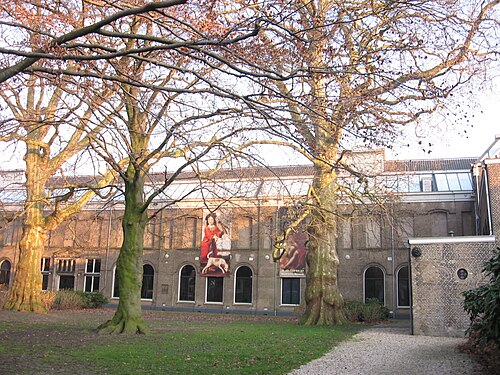
This courtyard was built by a man with a reputation problem. Arend Maartenszoon was known in Dordrecht as a money-grubber. In 1625 he put up 38 dwellings for the poor of the city and attached his name to them, which is the oldest form of reputation management there is and, four hundred years later, has worked: the Arend Maartenshof is still standing, still housing, and still called after him. The plane came much later, banded 1810 to 1820, so it went in when the court was already nearly two centuries old. That is the usual pattern for an almshouse yard. The buildings come first, the tree arrives when somebody decides the middle of the square ought to have something in it, and then it grows to be the thing everyone actually remembers. A hofje with a big tree in it is one of the best small spaces the Netherlands produces: low houses on four sides, a gate off a busy street, and a sudden drop in noise. This one is a working example rather than a museum, so go quietly. The bark flakes in cream and olive plates, and the seed balls hang through the winter.
The line is our estimate of how much there is to see, not a measurement. Typical for this species where this tree stands; exact weeks shift with the year.
Arend MaartenshofThe single large plane in the middle of the courtyard, with flaking camouflage bark.
Free. Open almshouse courtyard; people live here, so visit quietly and in daylight.
About 800 m north of Dordrecht station, in the old centre.
Sources
Where the facts on this page come from.
- In the official register: Landelijk Register Monumentale Bomen (Bomenstichting), no. 1680498
- monumentalebomen.nl
- services-eu1.arcgis.com