The Old Lions of Kew
United KingdomLondonKew, South West London
Approximate location.
You need a ticket to see this treePaid entry to Kew Gardens
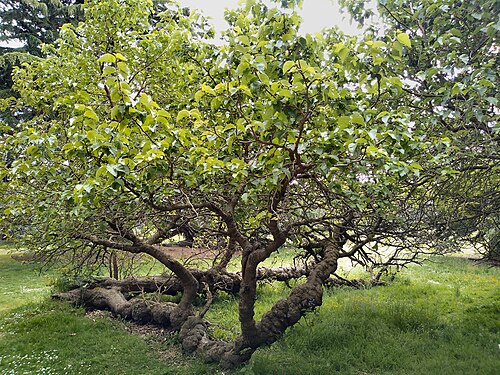
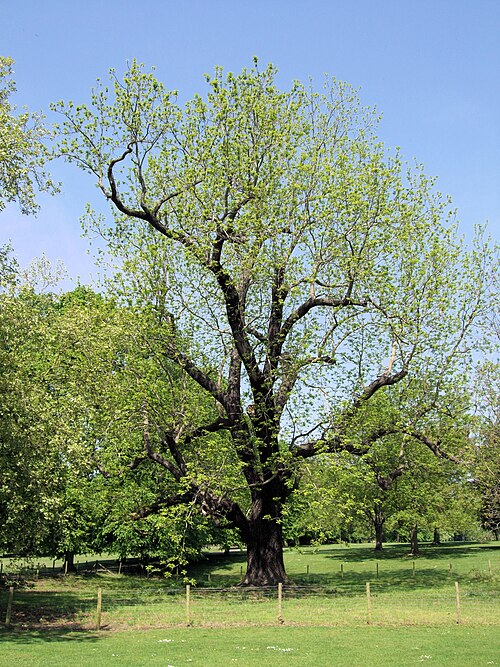
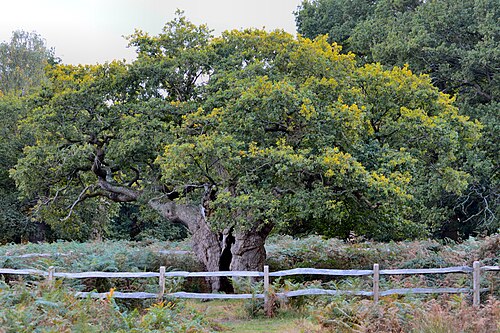
John Smith, Kew Gardens' first curator, gave five of its oldest trees a nickname that stuck: the Old Lions, veterans that have outlasted every curator, director and fashion in planting since the garden began. The group spans the site rather than clustering in one corner: an oriental plane near the Orangery, an elm, a locust, and the most storied of the five, a Japanese pagoda tree planted in 1762 that ranks among the oldest of its species growing anywhere in Europe outside its native range. All five predate Kew's formal existence as a public institution. They were already growing when Princess Augusta laid out the first pleasure garden here in the 1750s, decades before Kew merged with the neighbouring Richmond estate and grew into the botanic garden it is today. Seeing all five in one visit means crossing a meaningful stretch of the grounds, since Smith grouped them by age and survival rather than by location, but each carries its own small marker naming it as one of the Lions. Entry to Kew requires a paid ticket, unlike most of London's ancient trees, but the garden built its reputation partly on outliving its own founders, and these five are the proof of it.
In bloom
August to September, when it flowers
The line is our estimate of how much there is to see, not a measurement. Typical for this species where this tree stands; exact weeks shift with the year.
Royal Botanic Gardens Kew, Richmond, London TW9 3AEYou can recognise it by the small marker naming it one of the Old Lions: the Japanese pagoda tree planted in 1762, the most storied of Kew's five oldest survivors. It stands inside Kew Gardens, which charges entry.
Kew Gardens tube station (District Line), 5 min walk
Sources
Where the facts on this page come from.