The Tipu of Jardim de São Bento
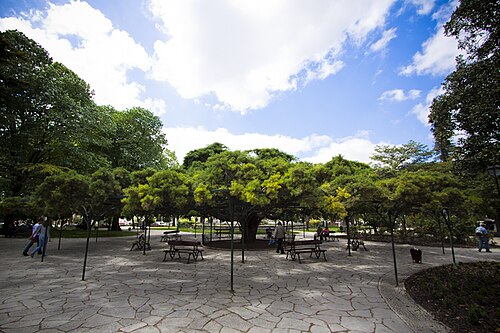
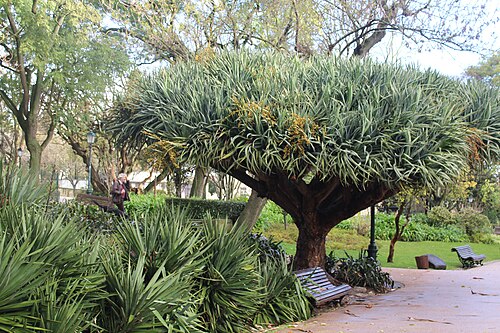
Portugal's parliament keeps a South American tree on its doorstep. This tipu, planted around ninety years ago in the small triangular garden beside the Palácio de São Bento, blooms with orange flowers marked by a brownish red spot at the base of each petal, a native of Bolivia and Argentina with no historical connection to the 16th century Benedictine monastery the palace used to be. The monastery became the seat of the Portuguese parliament in 1834 after the religious orders were dissolved, and the garden beside it has since watched ministers, protesters and the occasional political crisis unfold a few dozen metres from its canopy. The tree is one of Lisbon's officially classified trees of public interest, a status shared by barely two dozen specimens across the entire city. Its timber, tipa, is prized in South America for furniture, though nobody here has any plans to cut this one down for a table. Late winter and spring bring its flowering season, when the garden's modest third of a hectare turns a startling shade of orange directly across the street from where the country's laws get written.
Autumn colourIn bloom
late winter into spring, when the garden turns a startling shade of orange
The line is our estimate of how much there is to see, not a measurement. Typical for this species where this tree stands; exact weeks shift with the year.
Jardim de São Bento (Praça da Constituição de 1976), Rua de São Bento, 1250-093 LisboaYou can recognise it by its 4.20 metre trunk and, in late winter and spring, orange flowers marked with a reddish spot. It stands in the small garden beside the Palacio de Sao Bento.
Free, public garden beside the Assembleia da República
2 min walk from São Bento train station (Linha de Sintra)
Sources
Where the facts on this page come from.
- In the official register: Arvoredo de Interesse Público (ICNF), no. KNJ1/347
- pt.wikipedia.org
- getlisbon.com
- Portugal ICNF national register of classified trees, processo KNJ1/347, 'tipuana', Praca de S.Bento, girth 4.2m, age_register 96 (measured 2016)