The Brace Elm
United KingdomBrightonRoyal Pavilion Garden
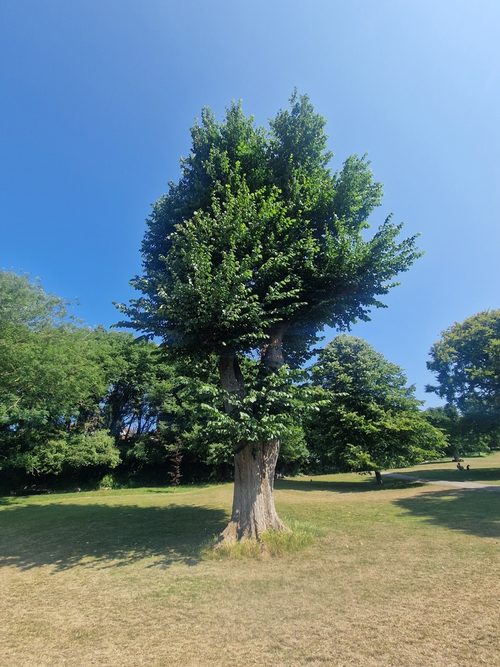
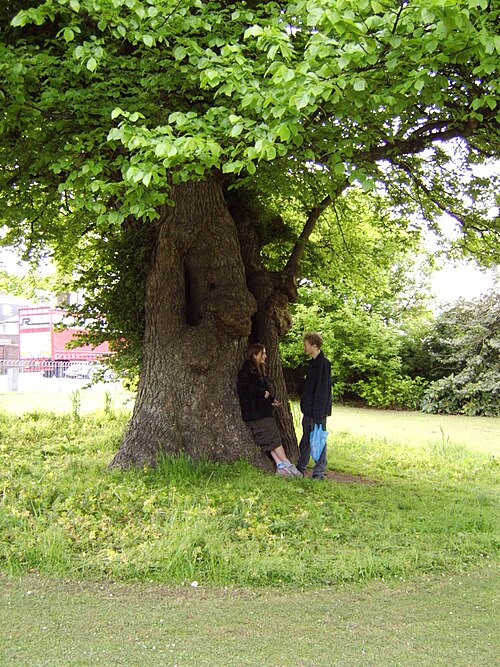
The Royal Pavilion's garden holds an elm older than the Pavilion. It was planted in 1776 and is now kept in one piece by a pair of forged iron braces clamped around a hollow stem, which is where the name comes from. Visitors have hooked padlocks onto them, the way people do to bridges, so the tree carries both the ironwork that saved it and the ironmongery it attracted. Brighton and Hove Museums call it their oldest elm and describe it as hollow but healthy, which is the normal condition of an old elm that has got this far. The heartwood goes; the outer sleeve keeps working. The only measurements anyone has published come from a 1968 survey: 20 metres tall, 4.6 metres round, two large cavities recorded at the time and nothing since. It is still being looked after. In March 2025 the museums took out a dead sycamore nearby, partly so that this tree would get more light. One thing to know before you go. The sources put it on different lawns. The museums place it near the Indian Gate at the south entrance, another of their own articles calls it the West Lawn tree, and a Brighton elm resource says the southern edge. It is one tree, and the garden is small enough to settle the question on foot.
The line is our estimate of how much there is to see, not a measurement. Typical for this species where this tree stands; exact weeks shift with the year.
Royal Pavilion Garden, Brighton (sources differ on exact lawn: north, south and west edges are each named)The old elm with two iron bands bolted around its trunk and padlocks hooked onto them.
Free, public garden, open year-round
Brighton railway station, 15 min walk; central Brighton, many bus routes to Old Steine/North Street
Sources
Where the facts on this page come from.