The Leaning Poplar of the Weteringschans
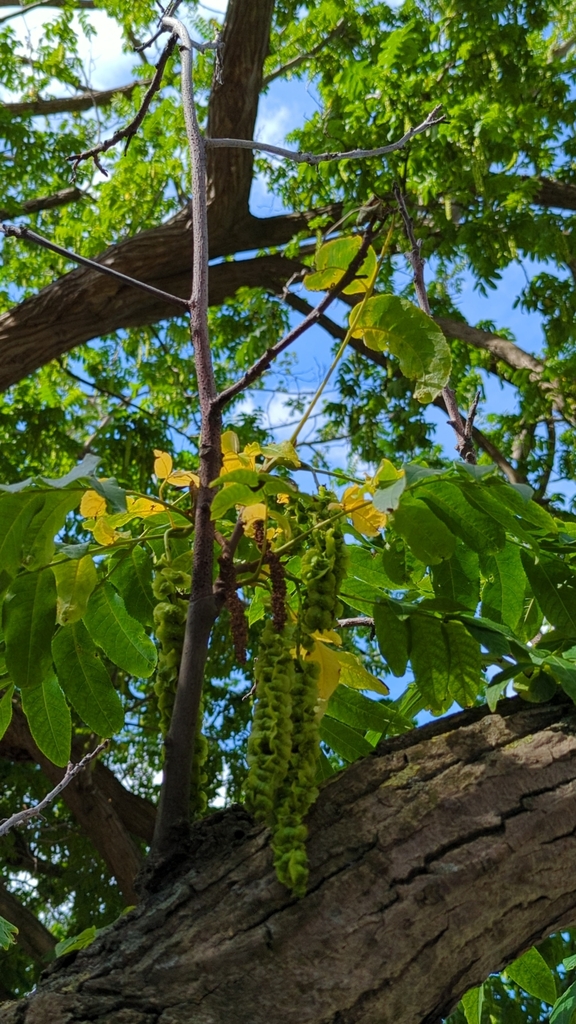
Every year Amsterdam inspects this poplar and decides whether it can stay another one. It leans, visibly and considerably, out over the Weteringschans, and a trunk more than five metres round leaning towards a busy road is a question a city has to keep answering. So far the answer has been yes. The reason it can be is under the pavement. A tree growing off vertical loads one side of its root plate far harder than the other and responds by laying down extra wood exactly where the pull is, thickening those roots into anchors. Leaning is not the same as unstable, and this one has had a century to engineer itself. The city prunes the heavy limbs on the road side to keep the load down, and inspects it annually. It is a Canadapopulier, a cross between two other poplars that appeared in France around 1750 and was then planted across the continent for its speed. Speed is the point of the species and also the catch: poplars grow fast, get large and are not built for the long term, which makes a specimen of this girth at 116 to 126 years old worth stopping for. The street it leans over was laid on Amsterdam's city ramparts after they were levelled between 1820 and 1840, and kept the name Schans until 1850. Free, always there, and impossible to confuse with the trees around it.
The line is our estimate of how much there is to see, not a measurement. Typical for this species where this tree stands; exact weeks shift with the year.
Amsterdam, Eerste Weteringplantsoen (Weteringschans, hoek Weteringcircuit)The one leaning visibly out over the Weteringschans, five and a half metres round, with the heavy limbs on the road side kept pruned back.
Free, public planting, always open.
Tram to Weteringcircuit, on the corner of the Weteringcircuit
Sources
Where the facts on this page come from.
- In the official register: Landelijk Register Monumentale Bomen (Bomenstichting), no. 1686110
- Landelijk Register Monumentale Bomen v2024 (Bomenstichting), register nr 1686110: Scheve populier Weteringschans, Amsterdam, Eerste Weteringplantso…
- Gemeente Amsterdam monumental-trees walking booklet, centre-of-town selection, supplied with written permission 2026-08-18; joined to the national…
- maps.amsterdam.nl
- services-eu1.arcgis.com