Seasons1 of 4
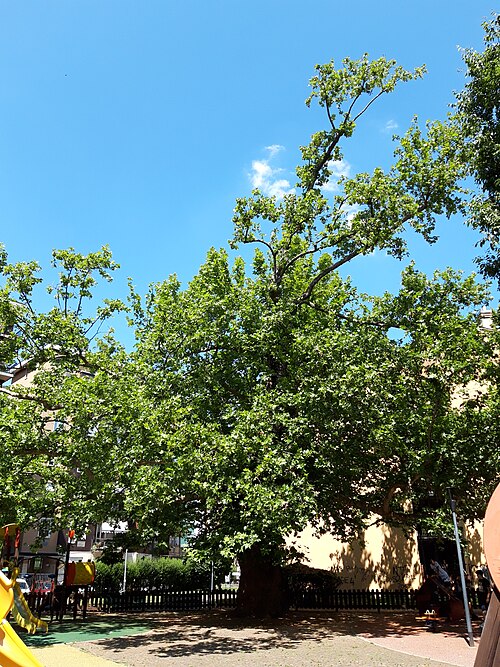
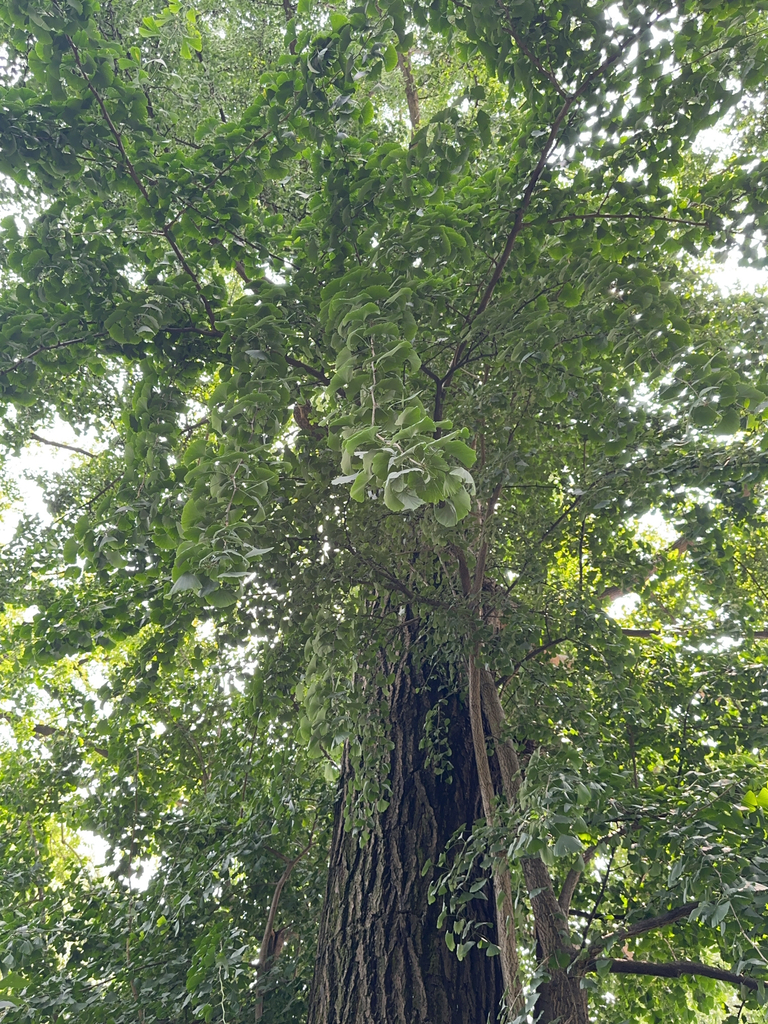
Milan's oldest public garden, laid out in 1555 for a countess who did not live to see it finished, keeps its strangest tree behind a baroque fish pond nobody expects to find in the middle of the city. This catalpa, a North American species imported to Europe for ornamental foliage rather than any practical use, has spent roughly 136 years twisting instead of growing straight, until arborists describe its 3.5-metre trunk as closer to a piece of vegetal sculpture than an ordinary shade tree. Every June its crown fills with white, orchid-patterned flowers in dense upright clusters, followed by the long, thin seed pods that earned the species its American nickname, the cigar tree. The Giardini della Guastalla itself predates almost everything else on this list: founded by Ludovica Torelli, Countess of Guastalla, as a garden for the girls' college she funded, it became one of Milan's first public parks open to all, four centuries after her death. At just over 12,000 square metres it is one of the smallest gardens on this list and one of the easiest to walk past, a few streets from the university hospital rather than fronting any grand piazza.
From people who stood here
No notes yet
Did you visit the tree? Leave a note for the next visitor.
Getting there
Giardini della Guastalla, Via Francesco Sforza 23, 20122 Milano
Behind the baroque fish pond, a 3.5-metre trunk that has twisted rather than grown straight, closer to a piece of sculpture than to a shade tree.
Free, public garden (gated, roughly 7:00-21:00, hours vary seasonally)
5 min walk from Crocetta (M3)
In bloom
June, when its white, orchid-like flowers cover the crown
The line is our estimate of how much there is to see, not a measurement. Typical for this species where this tree stands; exact weeks shift with the year.
Sources
Where the facts on this page come from. The story was written with AI from these sources, and readers who know the tree correct it.